
In the Library
Scenes of Clerical Life
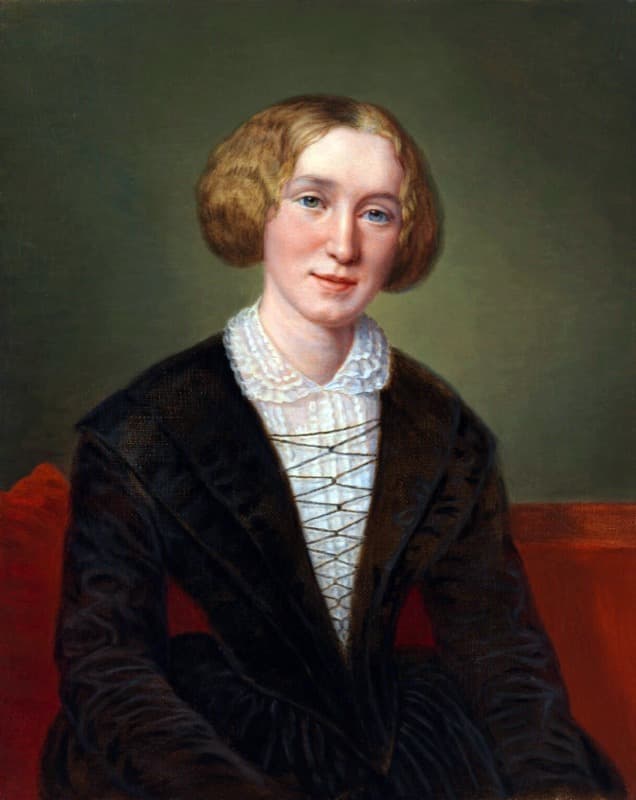
George Eliot, 1858
- Form
- Form Collection
- Difficulty
- Difficulty Moderate
- Reading time
- Reading time 10 hours
- Chapters
- Chapters 61
- Length
- Length 143k words
£1.99
Read in the app, yours for good. Not yet by post.
The book unlocks on your account as soon as you buy it, so the 14-day right to cancel ends once it is unlocked.
Blessed influence of one true loving human soul on another!
What buying means
- Yours for good, on every iPhone you sign in to.
- Read in the app’s own reader, with the original beside the translation where there is one.
- Downloaded, so it reads with no signal.
- The same price as in the app. Folio already opens every book on this shelf; buying keeps this one after Folio ends. A refund takes it back.
If you like this, try
Adam Bede
George Eliot
Adam Bede does the same thing at full novel length, and the sympathy Eliot rehearses here in miniature grows into a tragedy she can sustain for six hundred pages.
£1.99
Barchester Towers
Anthony Trollope
Trollope does the same thing with clergymen, but plays the parish for comedy and politics rather than pathos, and nobody has ever written cathedral scheming better.
£1.99
Winesburg, Ohio
Sherwood Anderson
Winesburg, Ohio does the same thing with one small town told in linked stories, but its griefs stay stranger and lonelier, and no narrator steps in to plead.
£1.99

About the book
Before Middlemarch, before anyone had guessed that George Eliot was a woman named Mary Ann Evans, there were these three stories from one shabby English parish. A curate nobody admires goes on preaching while his wife quietly works herself to death keeping his house. A caustic old vicar, remembered by his flock for his sour tongue and the sugar-plums in his pocket, is revealed to have spent his youth inside one long unbearable love. A lawyer's wife drinks because her husband beats her, and the consumptive preacher the whole town despises is the only person who will not look away. Eliot stops the story to ask something of you directly: learn to see the poetry and the pathos in a soul that looks out through dull grey eyes. Dickens read the first two and wrote at once to the unknown author, certain the hand was a woman's. It is the sound of a great novelist discovering, in a country parish, that ordinary suffering is the only subject she will ever need.