
In the Library
The Sonnets, Triumphs, and Other Poems of Petrarch
Petrarch, 1341
- Form
- Form Collection
- Difficulty
- Difficulty Moderate
- Reading time
- Reading time 8.5 hours
- Chapters
- Chapters 8
- Length
- Length 121k words
£1.99
Read in the app, yours for good. Not yet by post.
The book unlocks on your account as soon as you buy it, so the 14-day right to cancel ends once it is unlocked.
I fynde no peace and all my warre is done,
What buying means
- Yours for good, on every iPhone you sign in to.
- Read in the app’s own reader, with the original beside the translation where there is one.
- Downloaded, so it reads with no signal.
- The same price as in the app. Folio already opens every book on this shelf; buying keeps this one after Folio ends. A refund takes it back.
If you like this, try
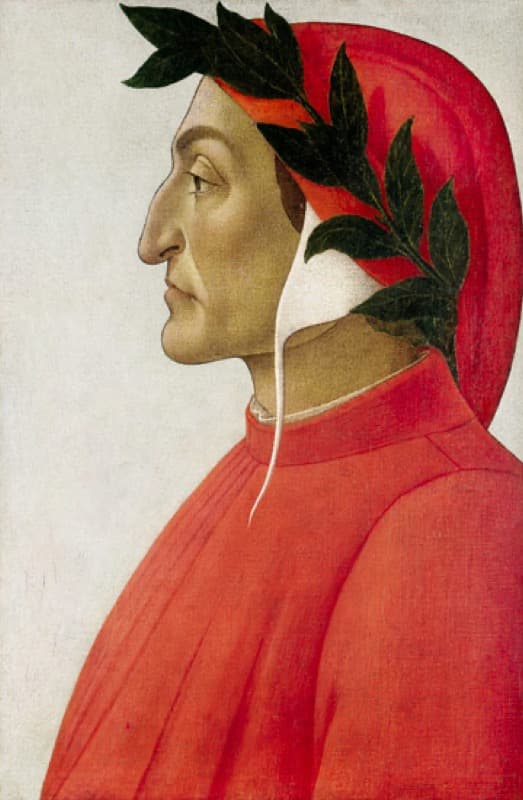
The Divine Comedy
Dante Alighieri
Dante turns Beatrice, the girl he glimpsed in Florence, into his guide through Paradise, the beloved made into a lifetime's poem that Petrarch both followed and resisted.
£1.99
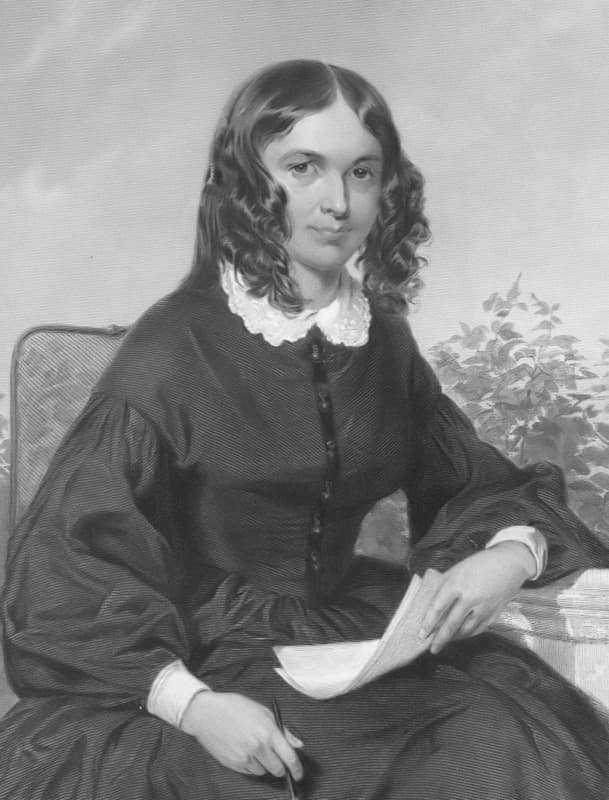
Sonnets from the Portuguese
Elizabeth Barrett Browning
Barrett Browning borrows Petrarch's sonnet sequence itself to chart a courtship that, unlike Laura's, was actually returned.
£1.99
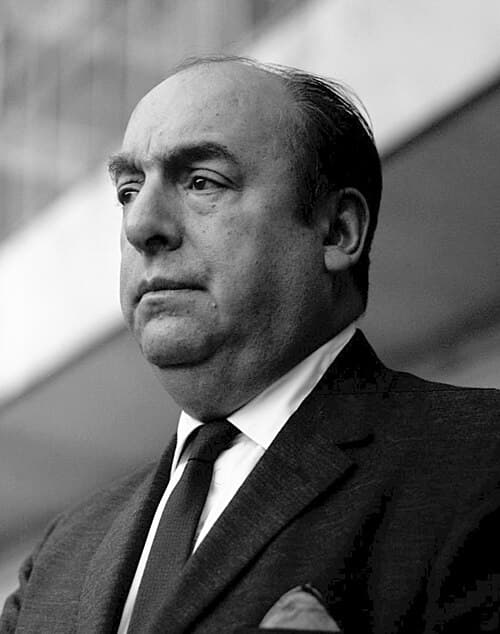
Twenty Love Poems and a Song of Despair
Pablo Neruda
Neruda strips away six centuries of courtly convention but keeps Petrarch's basic wager, that desire and language are the same problem.
£1.99
About the book
A poet sees a young woman in a church in Avignon on Good Friday in 1327, and for the next forty years he writes about that single moment of recognition. Francesco Petrarca worked at his Rerum vulgarium fragmenta across his entire adult life, completing the collection that posterity calls the Canzoniere around 1341 and revising it until his death in 1374. The 366 poems, almost all sonnets, divide into Laura's life and Laura's death, charting a love whose object barely speaks and whose absence is more present than her presence ever was. Petrarch invented, in the sequence's pacing and self-scrutiny, the form every European love poet would inherit. Every sonnet written since has been a footnote to her smile.