

In the Library
The Charge of the Light Brigade
Alfred, Lord Tennyson, 1854
- Form
- Form Poem
- Difficulty
- Difficulty Accessible
- Reading time
- Reading time 5 minutes
- Chapters
- Chapters 1
- Length
- Length 0k words
£1.99
Read in the app, yours for good. Not yet by post.
The book unlocks on your account as soon as you buy it, so the 14-day right to cancel ends once it is unlocked.
Their's not to reason why, / Their's but to do and die, / Into the valley of Death / Rode the six hundred.
What buying means
- Yours for good, on every iPhone you sign in to.
- Read in the app’s own reader, with the original beside the translation where there is one.
- Downloaded, so it reads with no signal.
- The same price as in the app. Folio already opens every book on this shelf; buying keeps this one after Folio ends. A refund takes it back.
If you like this, try
The Red Badge of Courage
Stephen Crane
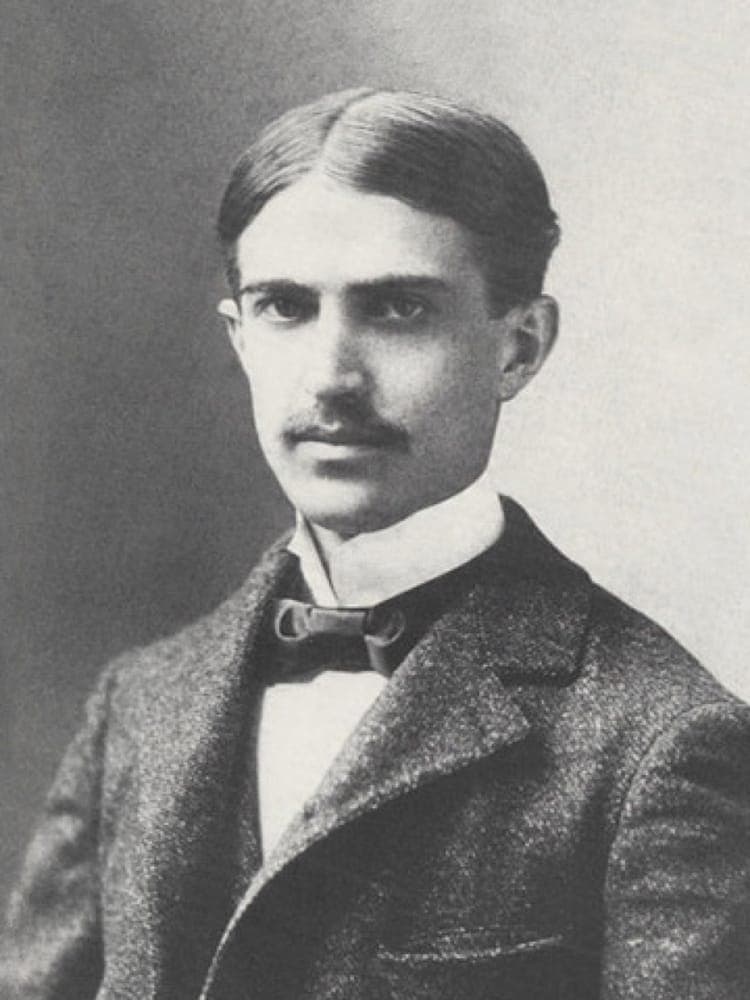
Crane does the same thing, but from inside one frightened private's head, where the glory of a charge dissolves into noise and the wish to run.
£1.99
War and Peace
Leo Tolstoy
Tolstoy does the same thing, but at the scale of a whole army, and shows the generals' orders arriving as garbled at Borodino as they did at Balaclava.
£1.99
The Iliad
Homer
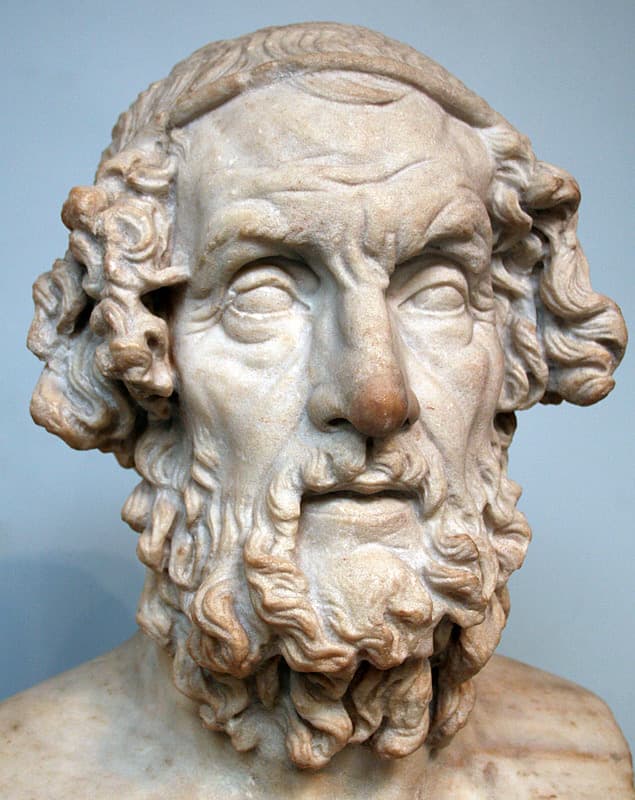
Homer does the same thing, but three thousand years earlier, and the men who ride at each other under the walls of Troy each have a name, a father and a poet counting them.
£1.99

About the book
Say it aloud and your mouth does the galloping: half a league, half a league, a dactylic beat in three-time that will not slow and will not let you look away. Six hundred riders went down a valley of Russian guns at Balaclava because an order reached them garbled, and the astonishing thing is that Tennyson, Poet Laureate, admits it in the second stanza: some one had blunder'd. Then he honours them anyway. Cannon to right of them, cannon to left of them, cannon in front of them; the repetition stacks the artillery into walls until you are inside the trap with the horses. Theirs not to reason why: the line is not a slogan for obedience so much as a measure of what obedience costs, and the poem carries both, the folly and the men who rode into it knowing. Late in life Tennyson recorded the poem onto a wax cylinder, and under the crackle the old voice is still counting them out.