
In the Library
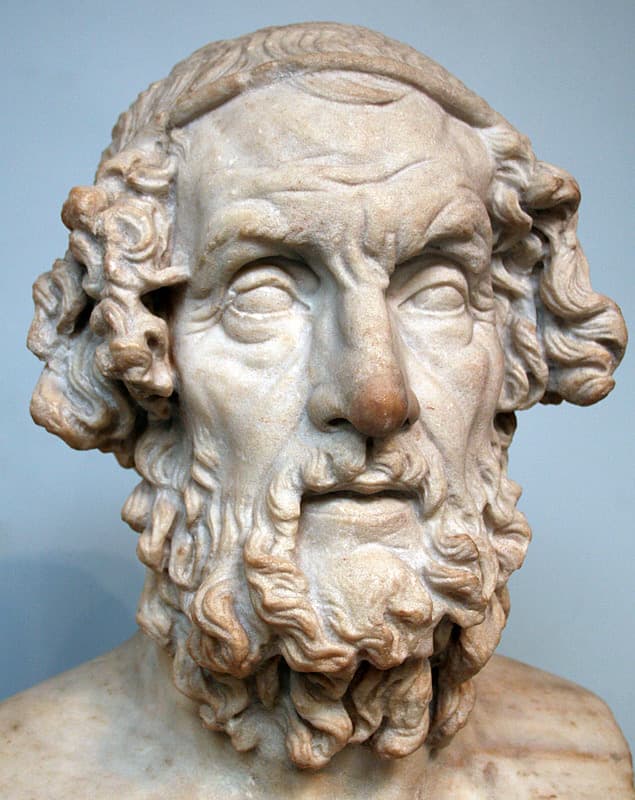
The Iliad
Homer, 1898
- Form
- Form Poem
- Difficulty
- Difficulty Moderate
- Reading time
- Reading time 11 hours
- Translated by
- Translated by Samuel Butler
- Original
- Original grc
- Chapters
- Chapters 24
- Length
- Length 152k words
£1.99
Read in the app, yours for good. Not yet by post.
The book unlocks on your account as soon as you buy it, so the 14-day right to cancel ends once it is unlocked.
Sing, O goddess, the anger of Achilles son of Peleus.
What buying means
- Yours for good, on every iPhone you sign in to.
- Read in the app’s own reader, with the original beside the translation where there is one.
- Downloaded, so it reads with no signal.
- The same price as in the app. Folio already opens every book on this shelf; buying keeps this one after Folio ends. A refund takes it back.
If you like this, try
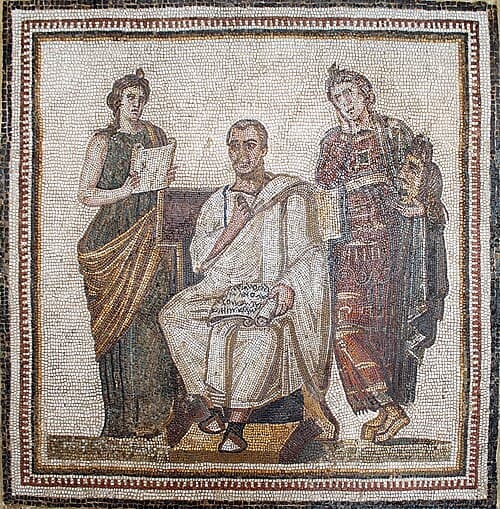
The Aeneid
Virgil
Virgil rewrites the war from the losing side, and grief replaces glory.
£1.99
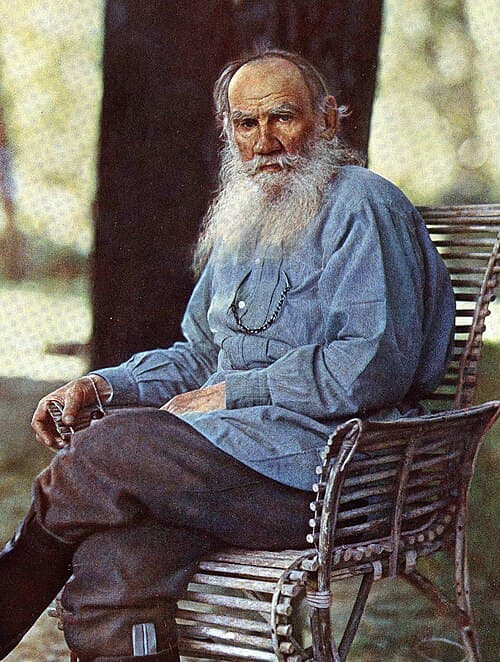
War and Peace
Leo Tolstoy
Tolstoy scales Homer up to Napoleon and finds the same truth: war is chaos dressed as strategy.
£1.99
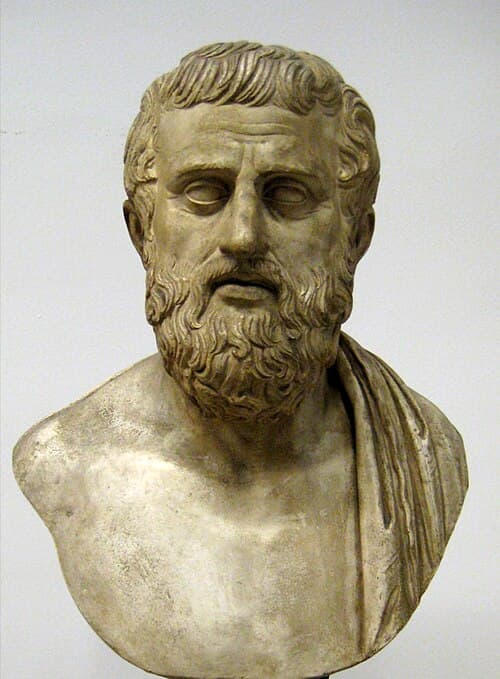
Antigone
Sophocles
Sophocles picks up where the battlefield ends and asks what we owe the dead.
£1.99
About the book
Watch how often Homer turns away from the killing. A spear goes through a man's throat and the poem pauses to remember the poplar he once felled by a riverbank, the field his father worked, the young wife who will keep his house for nothing now. Those similes are the secret engine of the West's first war poem: every death on the plain of Troy is set against the ordinary life it cancels. The first word the poem sings is rage, the wrath of Achilles, who quits the fight when his commander humiliates him and lets his own side bleed to make the point. What drags him back is not honour or Greece but grief, the loss of the one man he loved. And Homer keeps his greatest scene for last, when old King Priam crosses the enemy camp in the dark to kneel before the man who killed his son and kiss the hands that did it. They weep together over different dead men, and the rage that began the poem finally goes still.