

In the Library
The Cossacks
Leo Tolstoy, 1863
- Form
- Form Novel
- Difficulty
- Difficulty Moderate
- Reading time
- Reading time 4.5 hours
- Translated by
- Translated by Louise Maude & Aylmer Maude
- Chapters
- Chapters 42
- Length
- Length 62k words
£1.99
Read in the app, yours for good. Not yet by post.
The book unlocks on your account as soon as you buy it, so the 14-day right to cancel ends once it is unlocked.
Happiness is being with nature, seeing her, and conversing with her.
What buying means
- Yours for good, on every iPhone you sign in to.
- Read in the app’s own reader, with the original beside the translation where there is one.
- Downloaded, so it reads with no signal.
- The same price as in the app. Folio already opens every book on this shelf; buying keeps this one after Folio ends. A refund takes it back.
If you like this, try
A Hero of Our Time
Mikhail Lermontov
The other great Russian book about a bored young officer in the Caucasus, written twenty years earlier and far colder about what such a man does to the people around him.
£1.99
Walden
Henry David Thoreau
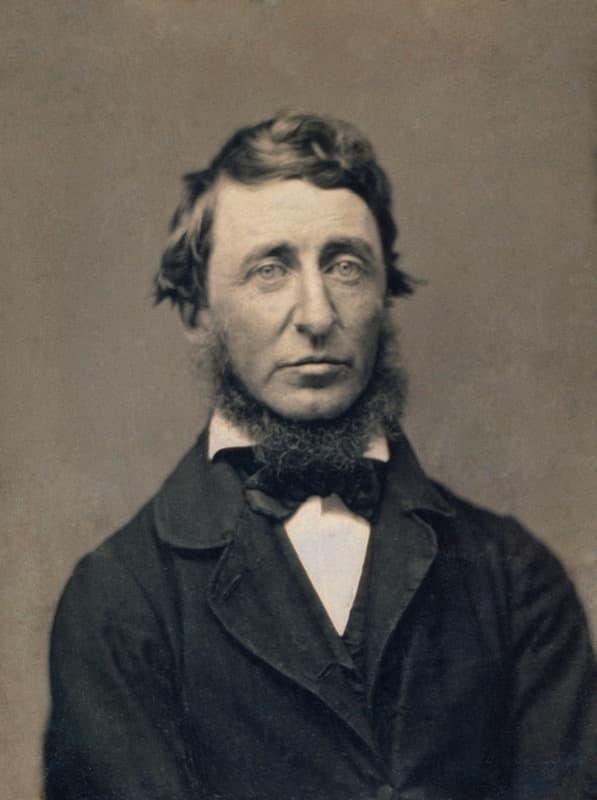
The same experiment run by someone who believed in it: a man leaves society for the woods on purpose, and reports back on whether simplicity can actually be chosen.
£1.99

About the book
Three days out of Moscow, in a sledge, a young man who has gambled away his money and loved nobody decides he is going to be transformed. What waits for him on the Terek is a village of people entirely uninterested in his transformation: an old hunter who drinks and sings and has killed men, a girl who looks straight through him, young Cossacks who ride out at dawn to fight and come back laughing. Olenin lies in a stag's bed in the thicket and understands, for one clean hour, that he is no more and no less than a mosquito, and that happiness might be as simple as living for other people. Then he tries it, and finds he cannot. Tolstoy was twenty-four and in the Caucasus himself when he began this, and the ache underneath it is his own: that a man can see the good life plainly, standing in front of him, and still not be able to walk into it.