
In the Library
The Immoralist
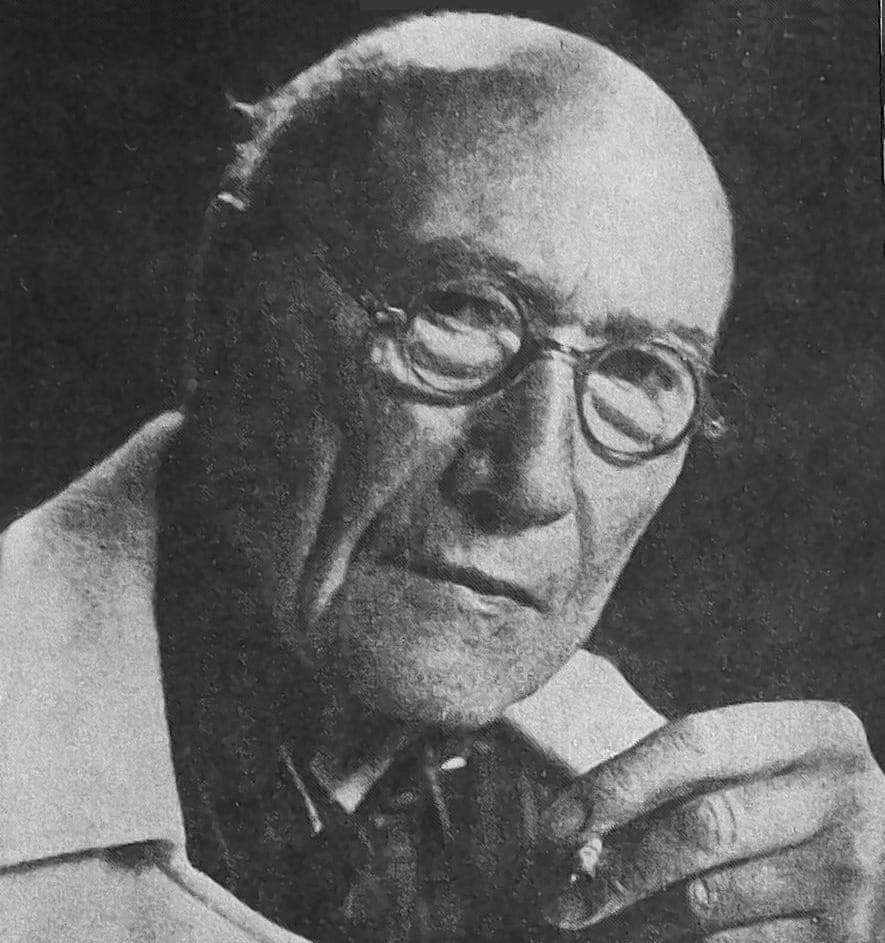
André Gide, 1902
- Form
- Form Novella
- Difficulty
- Difficulty Moderate
- Reading time
- Reading time 3 hours
- Translated by
- Translated by Dorothy Bussy (1930)
- Chapters
- Chapters 16
- Length
- Length 44k words
£1.99
Read in the app, yours for good. Not yet by post.
The book unlocks on your account as soon as you buy it, so the 14-day right to cancel ends once it is unlocked.
To know how to free oneself is nothing; the arduous thing is to know what to do with one’s freedom.
What buying means
- Yours for good, on every iPhone you sign in to.
- Read in the app’s own reader, with the original beside the translation where there is one.
- Downloaded, so it reads with no signal.
- The same price as in the app. Folio already opens every book on this shelf; buying keeps this one after Folio ends. A refund takes it back.
If you like this, try
Death in Venice
Thomas Mann
Death in Venice does the same thing, but sets the awakening in a Venetian plague instead of an Algerian convalescence, and lets beauty alone do the undoing.
£1.99
Notes from the Underground
Fyodor Dostoevsky
Notes From the Underground does the same thing, but strips out the sunlight and the wife, leaving a narrator just as certain his own appetite is the one honest thing.
£1.99


About the book
In a hotel room in Biskra, a young bridegroom coughs blood into his palm and feels, beneath the horror, something like joy: proof he is alive enough to die. Michel has married Marceline out of duty more than love, and it is his own illness, not his wife's devotion, that undoes him. Nursed back from the edge, he falls hard for sensation itself, the weight of sunlight, the taste of milk warm from a goatherd's hand, the brown limbs of boys running along a wall, and decides that this hunger is the only truth he has ever felt. André Gide's short, controlled novel is one of the most exact studies ever written of what self-realization costs someone else: Michel gets stronger while Marceline, quietly, gets sicker, and he keeps walking toward his own vitality anyway. It reads like a confession because it is one, offered without asking for absolution. By the end you understand a hunger you did not know you recognized, and you cannot forgive the man who fed it.