
In the Library
The Prince
Niccolò Machiavelli, 1532
- Form
- Form Philosophy
- Difficulty
- Difficulty Moderate
- Reading time
- Reading time 2.5 hours
- Translated by
- Translated by W.K. Marriott
- Original
- Original it
- Chapters
- Chapters 27
- Length
- Length 32k words
£1.99
Read in the app, yours for good. Not yet by post.
The book unlocks on your account as soon as you buy it, so the 14-day right to cancel ends once it is unlocked.
it is much safer to be feared than loved, when, of the two, either must be dispensed with.
What buying means
- Yours for good, on every iPhone you sign in to.
- Read in the app’s own reader, with the original beside the translation where there is one.
- Downloaded, so it reads with no signal.
- The same price as in the app. Folio already opens every book on this shelf; buying keeps this one after Folio ends. A refund takes it back.
If you like this, try
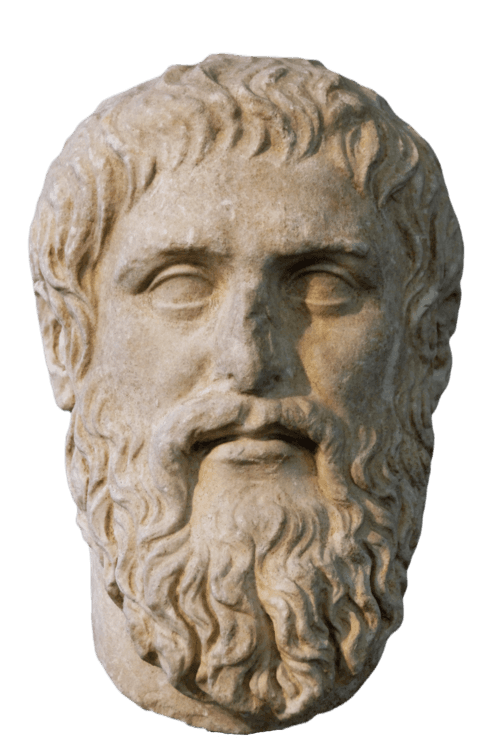
The Republic
Plato
Plato designed the ideal state; Machiavelli explains why it would never survive a Tuesday.
£1.99
Macbeth
William Shakespeare
Shakespeare dramatises what Machiavelli prescribes: the cost of seizing power and the impossibility of holding it cleanly.
£1.99
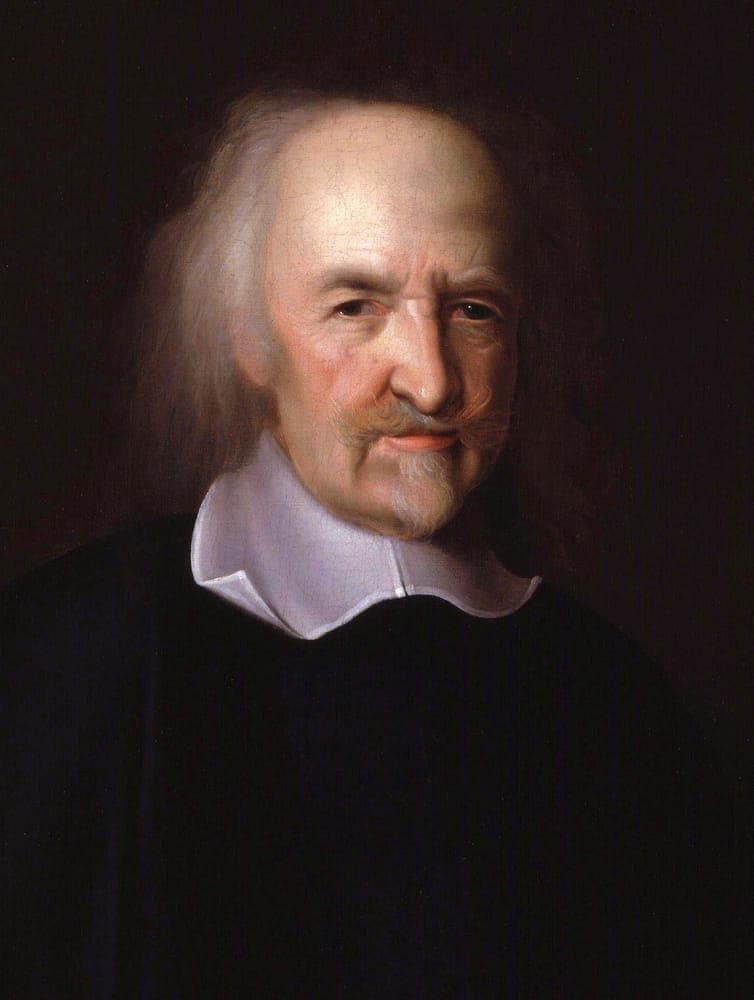
Leviathan
Thomas Hobbes
Leviathan does the same thing, reasoning coldly about what holds a state together, but builds its case from a theory of human nature rather than examples of real princes.
£1.99

About the book
It is much safer to be feared than loved: the sentence arrives without heat, without apology, the way a surgeon names the thing that has to be cut. That coolness is the whole unsettling genius of The Prince. For centuries the books written for rulers told them how to be good; Machiavelli, stripped of office and tortured by the Medici he would then dedicate it to, sat down to tell them instead how to survive, and the gap between those two instructions is the nerve he keeps pressing. A prince who insists on virtue among men who have none, he argues, will be destroyed, and cruelty used well and quickly is a kind of mercy. The examples come like evidence in a brief, Cesare Borgia, Moses, Romulus, never ornament. What lingers is not the shock of the conclusions but the calm, the sense of a man describing the world exactly as it is while everyone around him agrees to pretend otherwise. Read it once and you will hear its level voice under every speech a powerful man ever gave.