
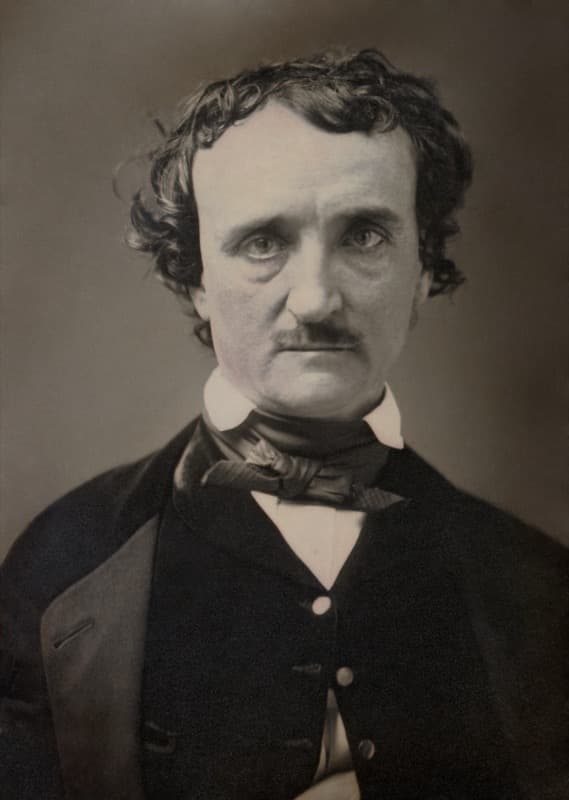
In the Library
The Raven
Edgar Allan Poe, 1845
- Form
- Form Poem
- Difficulty
- Difficulty Moderate
- Reading time
- Reading time 5 minutes
- Chapters
- Chapters 1
- Length
- Length 1k words
£1.99
Read in the app, yours for good. Not yet by post.
The book unlocks on your account as soon as you buy it, so the 14-day right to cancel ends once it is unlocked.
Once upon a midnight dreary, while I pondered, weak and weary, Over many a quaint and curious volume of forgotten lore—
What buying means
- Yours for good, on every iPhone you sign in to.
- Read in the app’s own reader, with the original beside the translation where there is one.
- Downloaded, so it reads with no signal.
- The same price as in the app. Folio already opens every book on this shelf; buying keeps this one after Folio ends. A refund takes it back.
If you like this, try
Ligeia
Edgar Allan Poe
Ligeia also keeps a dead beloved at the centre of a lonely room, but it lets her come back, where the Raven only lets her name echo.
£1.99
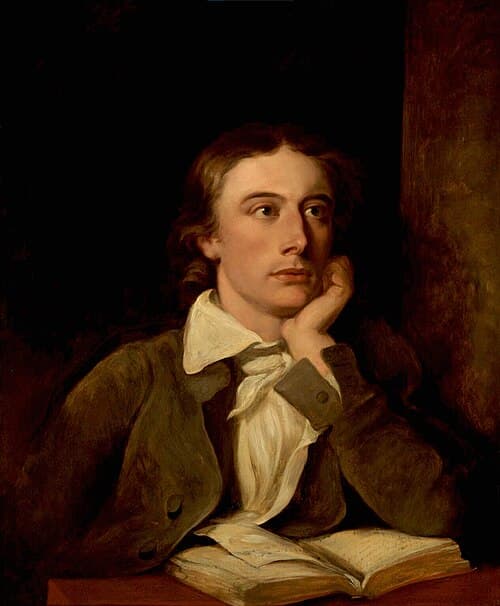
La Belle Dame sans Merci
John Keats
La Belle Dame does the same thing, a haunted man at the edge of the unreal replaying a lost woman in a spell of rhythm, but it keeps its dread cold and quiet.
£1.99
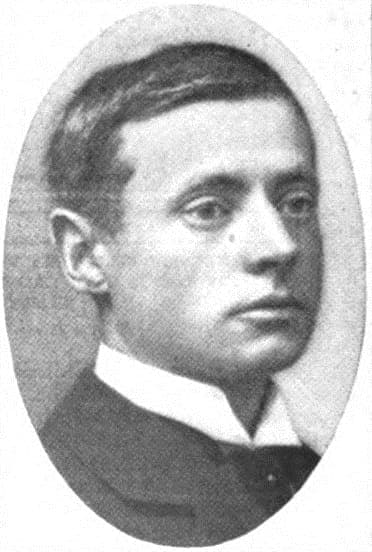
The Monkey's Paw
W.W. Jacobs
The Monkey's Paw also turns a knock at the door at night into grief, but it asks what you would wish for where the Raven asks what you would ask.
£1.99
About the book
"Once upon a midnight dreary," and already the spell is cast: that rolling, rocking meter, rhymes chiming inside the line as well as at its end, a music so hypnotic it seems to read itself aloud. It is bleak December, the fire is dying, and a scholar sits over forgotten books trying not to think of Lenore, the woman he has lost. Then comes a tapping. What steps through the shutter is a stately raven that perches on a bust of Pallas above his door and answers every question with a single word: Nevermore. Poe's genius is to let the grieving man do the rest. He knows what the bird will say, and he asks anyway, each question more desperate than the last, because some part of him wants the answer that will hurt most. Few poems understand grief so exactly: how it turns any dark thing into an oracle, how it argues with itself through the night.