

In the Library
The Revolt of Islam
Percy Bysshe Shelley, 1818
- Form
- Form Poem
- Difficulty
- Difficulty Demanding
- Reading time
- Reading time 3 hours
- Chapters
- Chapters 15
- Length
- Length 44k words
£1.99
Read in the app, yours for good. Not yet by post.
The book unlocks on your account as soon as you buy it, so the 14-day right to cancel ends once it is unlocked.
Can man be free if woman be a slave? / Chain one who lives, and breathes this boundless air, / To the corruption of a closed grave!
What buying means
- Yours for good, on every iPhone you sign in to.
- Read in the app’s own reader, with the original beside the translation where there is one.
- Downloaded, so it reads with no signal.
- The same price as in the app. Folio already opens every book on this shelf; buying keeps this one after Folio ends. A refund takes it back.
If you like this, try
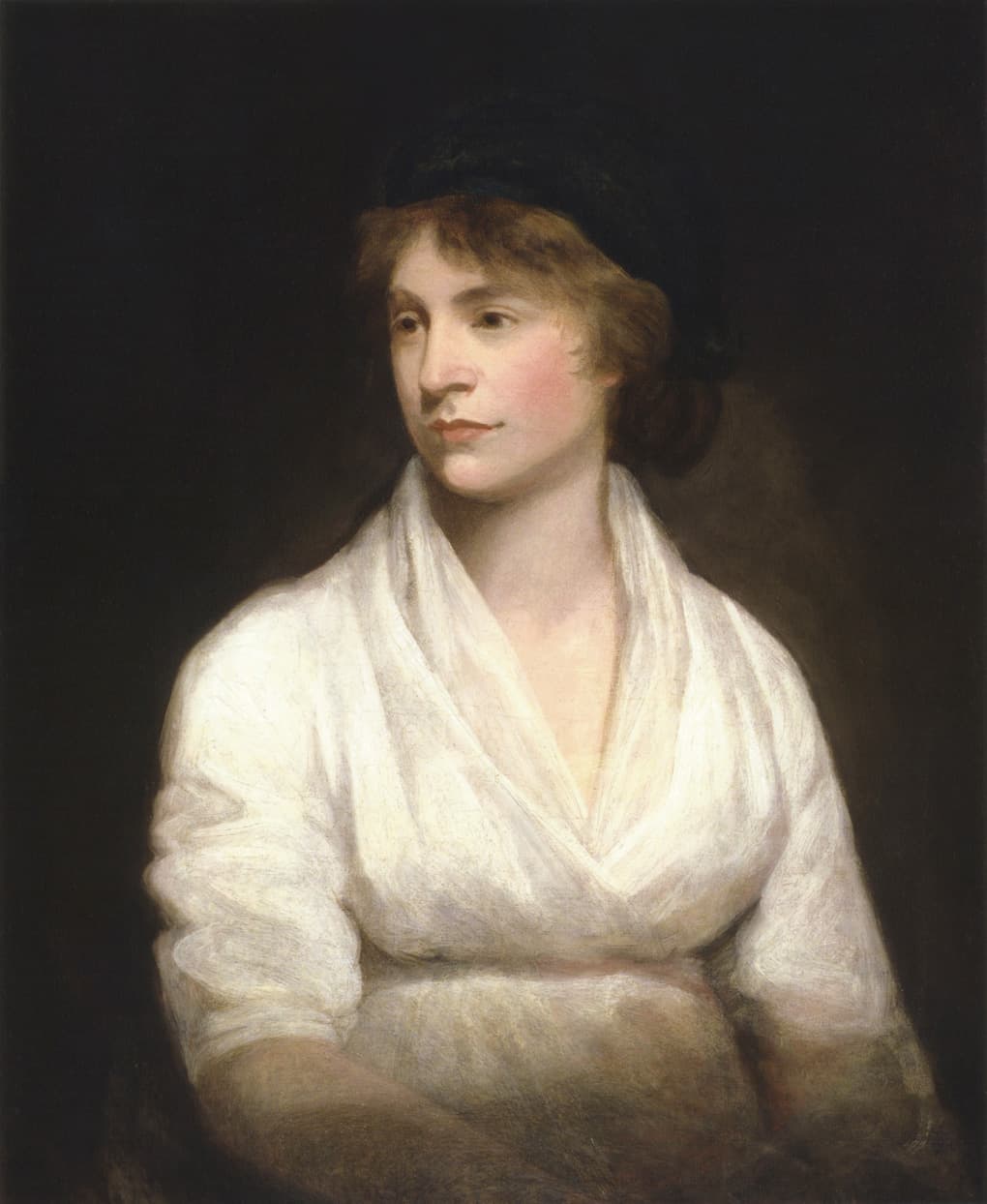
A Vindication of the Rights of Woman
Mary Wollstonecraft
Wollstonecraft makes the same case in prose a generation earlier, but Shelley turns her argument into a battle cry sung across twelve cantos.
£1.99
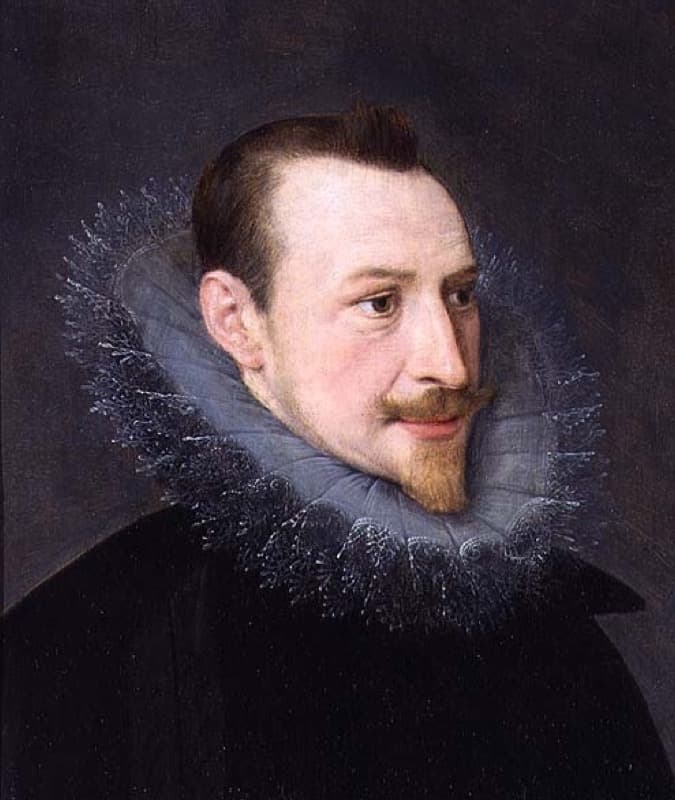
The Faerie Queene
Edmund Spenser
Spenser supplies the very stanza Shelley writes in, but where his knights chase virtue through enchantment, Laon and Cythna chase it through revolution.
£1.99
Les Misérables
Victor Hugo
Hugo tells the same story of idealists broken by an unjust state, but trades Shelley's allegory for the hard details of a real Paris uprising.
£1.99

About the book
High over a sea at dawn, an eagle and a serpent lock together in the air and fight until the serpent falls, bleeding, into the waves. Shelley opens his longest poem with that battle and then turns everything upside down: the serpent is the spirit of good, the eagle is tyranny, and the good is losing. What follows, across twelve cantos of Spenserian stanzas, is a revolution. Laon and Cythna, raised together in a city under a despot, set out to free it without shedding blood, and it is Cythna, a young woman walking unarmed into the crowds, who wakes the people with nothing but speech. Shelley wrote it for a generation that had watched the hope of 1789 curdle into terror and empire, and he refused to let that hope go. The stanzas pour on, each closing on its slow alexandrine, like a sermon sung by someone who cannot stop believing. The tyrants have their answer ready, and the poem walks toward it with open eyes, still certain that love is the only weapon worth carrying.