
In the Library
The Sandman
E.T.A. Hoffmann, 1816
- Form
- Form Short Story
- Difficulty
- Difficulty Moderate
- Reading time
- Reading time 1 hours
- Translated by
- Translated by J. T. Bealby (1885)
- Original
- Original de
- Chapters
- Chapters 1
- Length
- Length 15k words
£1.99
Read in the app, yours for good. Not yet by post.
The book unlocks on your account as soon as you buy it, so the 14-day right to cancel ends once it is unlocked.
"There is no Sandman, dear child," replied my mother.
What buying means
- Yours for good, on every iPhone you sign in to.
- Read in the app’s own reader, with the original beside the translation where there is one.
- Downloaded, so it reads with no signal.
- The same price as in the app. Folio already opens every book on this shelf; buying keeps this one after Folio ends. A refund takes it back.
If you like this, try
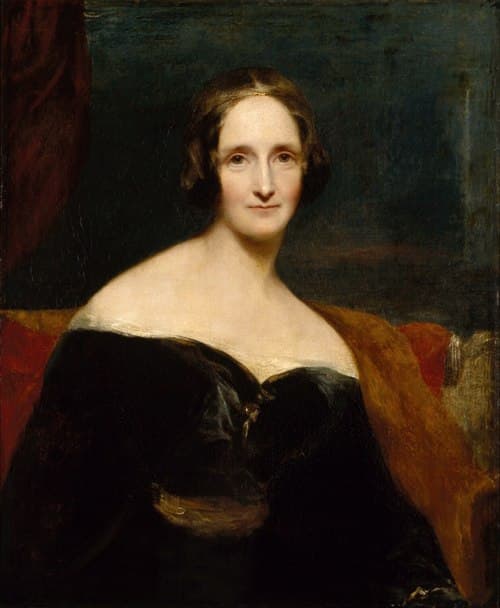
Frankenstein
Mary Shelley
_Frankenstein_ does the same thing, but with a made creature: a young man's obsession with an artificial being drives him toward ruin and a horror he cannot explain.
£1.99
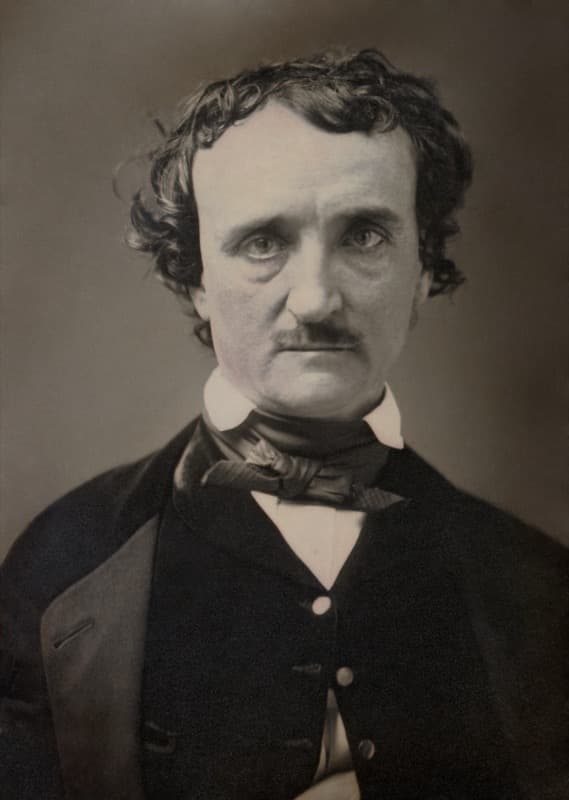
The Tell-Tale Heart
Edgar Allan Poe
Poe's _The Tell-Tale Heart_ does the same thing, but in a single breathless confession: an unreliable narrator fixed on an eye lets the reader doubt his sanity.
£1.99
The Metamorphosis
Franz Kafka
_The Metamorphosis_ does the same thing, but with a calmer cruelty: an ordinary young man is overtaken by something uncanny that the world around him refuses to see.
£1.99

About the book
The Sandman comes for children who will not go to bed, an old nurse tells a small boy, and throws sand in their eyes until they jump bloody from their heads, then carries them to the moon to feed his own children, who have hooked beaks like owls. Nathanael never stops believing her. Grown, a student, he buys a pocket spyglass from a peddler of barometers whose face he has seen before, and through its lens he watches the professor's daughter Olimpia at her window: lovely, still, her gaze strangely fixed. He falls for her. She answers everything he says with a soft "Ah, ah!", and he hears in it the only soul that has ever understood him, while Clara, the clear-eyed girl who loves him, he curses as a lifeless automaton. Hoffmann never lets you settle whether the horror lives in the world or in Nathanael's head, and Freud built his essay on the uncanny out of that refusal. It is a story about eyes, told so that by its last page you no longer quite trust your own.