
In the Library
The Taming of the Shrew
William Shakespeare, 1623
- Form
- Form Play
- Difficulty
- Difficulty Moderate
- Reading time
- Reading time 1.5 hours
- Chapters
- Chapters 14
- Length
- Length 22k words
£1.99
Read in the app, yours for good. Not yet by post.
The book unlocks on your account as soon as you buy it, so the 14-day right to cancel ends once it is unlocked.
For I am he am born to tame you, Kate, / And bring you from a wild Kate to a Kate / Conformable as other household Kates.
What buying means
- Yours for good, on every iPhone you sign in to.
- Read in the app’s own reader, with the original beside the translation where there is one.
- Downloaded, so it reads with no signal.
- The same price as in the app. Folio already opens every book on this shelf; buying keeps this one after Folio ends. A refund takes it back.
If you like this, try
The Misanthrope
Molière
Molière pits the prickly Alceste against the quick-tongued Célimène, a courtship fought entirely in words, and here the woman refuses to be tamed at all.
£1.99
Pride and Prejudice
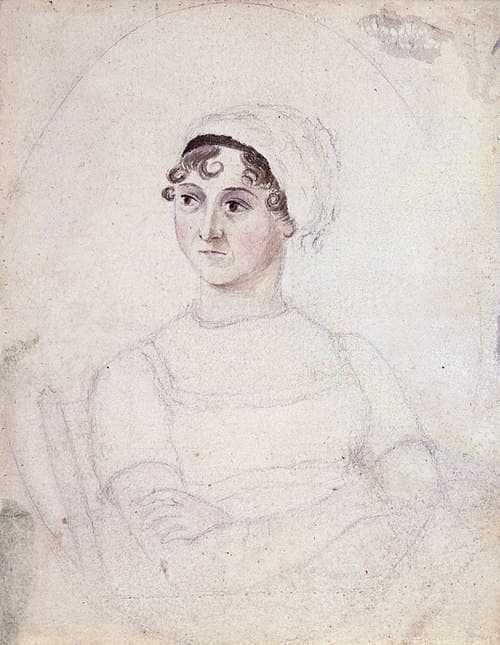
Jane Austen
Pride and Prejudice does the same thing, but stretches the sharp-tongued courtship across a whole novel, letting Elizabeth and Darcy earn each other's respect slowly.
£1.99
Lysistrata
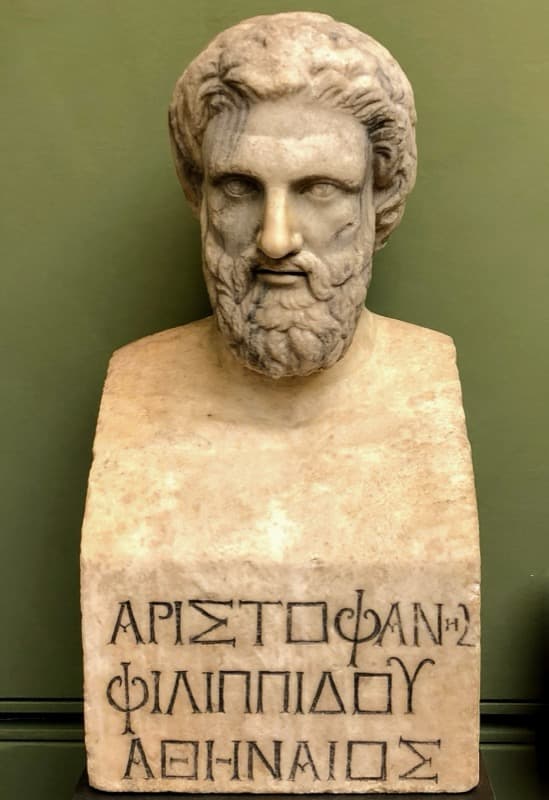
Aristophanes
Aristophanes staged the battle of the sexes two thousand years before Petruchio, with the women holding every card and the men begging for terms.
£1.99

About the book
Before any taming begins, a drunken tinker is hauled out of an alehouse and dressed in fine clothes, then told by a bored lord that he is a nobleman who dreamt fifteen years of being poor. The rest is entertainment laid on for him. Inside it, Petruchio arrives in Padua meaning to wive it wealthily, and finds Katherina, whose temper her father treats as an obstacle to clear before the pretty sister can marry. What he does to her is not courtship: he starves her and keeps her from sleep, contradicting her own eyes until she agrees the sun is the moon. And yet these two talk as no one in the play can, trading puns at a speed that leaves the room behind. The long speech Kate delivers at the end has been played as defeat, as irony, and as a joke shared by two people who have found their equal, and no production has ever settled it. Remember who is watching: a man persuaded, by costume and insistence alone, that he was never himself at all.