

In the Library
The Time Machine
H.G. Wells, 1895
- Form
- Form Novella
- Difficulty
- Difficulty Accessible
- Reading time
- Reading time 2.5 hours
- Chapters
- Chapters 17
- Length
- Length 32k words
£1.99
Read in the app, yours for good. Not yet by post.
The book unlocks on your account as soon as you buy it, so the 14-day right to cancel ends once it is unlocked.
There is no difference between Time and any of the three dimensions of Space except that our consciousness moves along it.
What buying means
- Yours for good, on every iPhone you sign in to.
- Read in the app’s own reader, with the original beside the translation where there is one.
- Downloaded, so it reads with no signal.
- The same price as in the app. Folio already opens every book on this shelf; buying keeps this one after Folio ends. A refund takes it back.
If you like this, try
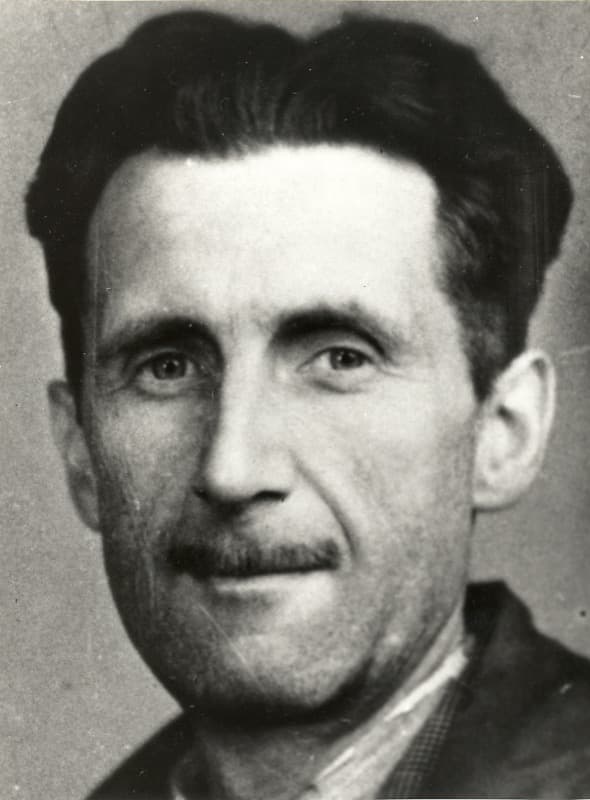
Nineteen Eighty-Four
George Orwell
Orwell inherits Wells's pessimism about the future but makes the oppression political instead of evolutionary.
£1.99
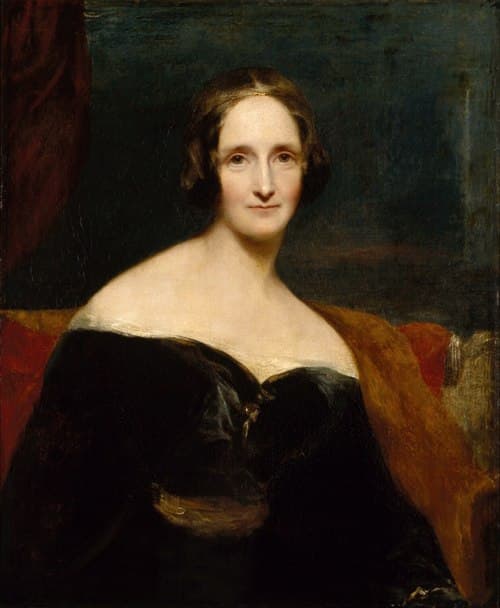
Frankenstein
Mary Shelley
Shelley's scientist chases the same reckless faith in progress, but his danger walks beside him at once instead of waiting millennia in the future.
£1.99
About the book
Put a finger on a small brass lever, and watch the model wink out of the present like a soap bubble. That parlour trick, performed for a skeptical dinner party, is how The Time Machine begins, but the trick is the least of what Wells does. He sends his Traveller forward to the year 802,701, where the leisured classes have softened into the childlike Eloi who graze in the sunlight, and the workers have descended into the Morlocks, pale things in the dark who climb up at night to feed on them. That is the famous parable, and it is not the deepest thing here. The machine carries him further still, to a cold red beach beneath a swollen dying sun, where nothing stirs but a few crab-shaped horrors in the failing light. Wells understood before anyone that deep time does not honour our dramas; it swallows them. The Traveller comes back with two white flowers a dead girl pressed into his pocket, the only proof he ever held anything at all.