
In the Library
The Trial
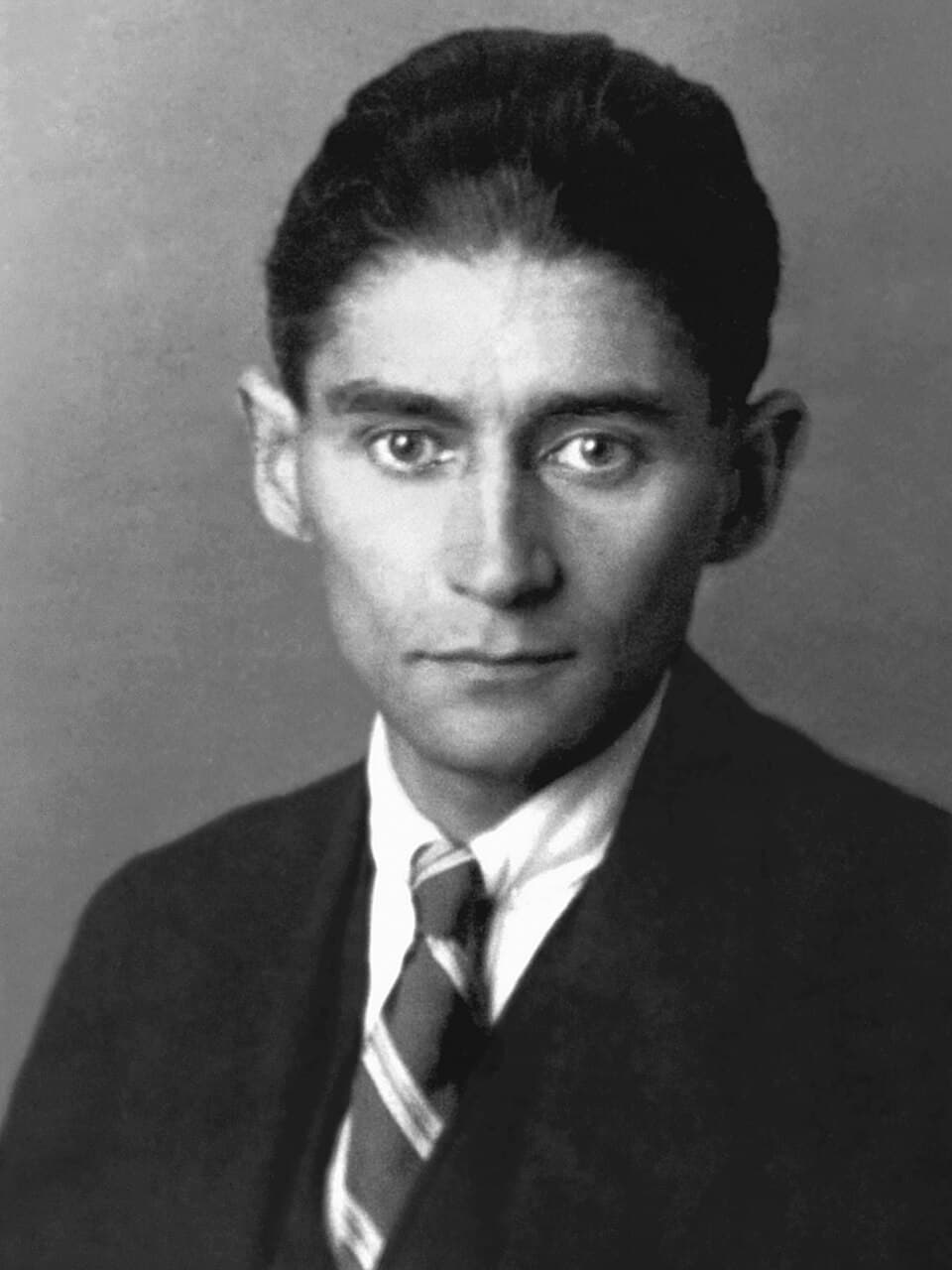
Franz Kafka, 1925
- Form
- Form Novel
- Difficulty
- Difficulty Moderate
- Reading time
- Reading time 5.5 hours
- Translated by
- Translated by Translated for The Daily Canon
- Original
- Original de
- Chapters
- Chapters 11
- Length
- Length 79k words
£1.99
Read in the app, yours for good. Not yet by post.
The book unlocks on your account as soon as you buy it, so the 14-day right to cancel ends once it is unlocked.
Someone must have slandered Josef K., for one morning, without his having done anything wrong, he was arrested.
What buying means
- Yours for good, on every iPhone you sign in to.
- Read in the app’s own reader, with the original beside the translation where there is one.
- Downloaded, so it reads with no signal.
- The same price as in the app. Folio already opens every book on this shelf; buying keeps this one after Folio ends. A refund takes it back.
The reading guide, in the app
How to Read The Trial
A book whose reputation for cold, clever bleakness scares off the very readers who would most enjoy how funny, how dreamlike, and how oddly companionable it actually is from its first sentence on.
The Trial has a reputation for being airless and forbidding, a grey parable about bureaucracy that you are supposed to admire for its ideas rather than enjoy on the page, and that reputation keeps away the people who would take to it fastest. What is actually waiting is a strange, propulsive, often very funny book about a man named Josef K. who is arrested one ordinary morning in his own bedroom, told nothing about what he has done, and then left almost entirely free to go about his life while an invisible court grinds away at him in attics and back rooms. The crime is never named because there is no crime to name, and once you stop waiting for the reveal, the book opens up.
If you like this, try
About the book
Someone must have been telling lies about Josef K. He wakes on an ordinary morning to find two men in his room, eating his breakfast, informing him he is under arrest. They will not say for what. No charge ever comes, and no court will name itself; there is only an endless, courteous machinery that seems to know something about his guilt he himself does not. He hires lawyers, petitions clerks, climbs to stifling attic tribunals, and the case only deepens by never being stated. Kafka caught a dread no one had named before him: the suspicion that you are guilty of something everyone agrees on but no one will name, an accusation that never arrives to be answered. Read the parable of the man who waits his whole life at the door of the Law, the gatekeeper, the light he glimpses too late. It is the most accurate nightmare ever written, and it does not let you wake.