
In the Library
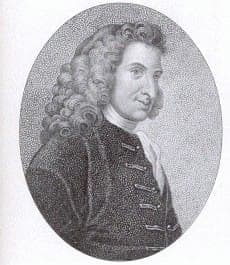
Tom Jones
Henry Fielding, 1749
- Form
- Form Novel
- Difficulty
- Difficulty Moderate
- Reading time
- Reading time 25 hours
- Chapters
- Chapters 18
- Length
- Length 345k words
£1.99
Read in the app, yours for good. Not yet by post.
The book unlocks on your account as soon as you buy it, so the 14-day right to cancel ends once it is unlocked.
The provision, then, which we have here made is no other than Human Nature.
What buying means
- Yours for good, on every iPhone you sign in to.
- Read in the app’s own reader, with the original beside the translation where there is one.
- Downloaded, so it reads with no signal.
- The same price as in the app. Folio already opens every book on this shelf; buying keeps this one after Folio ends. A refund takes it back.
If you like this, try
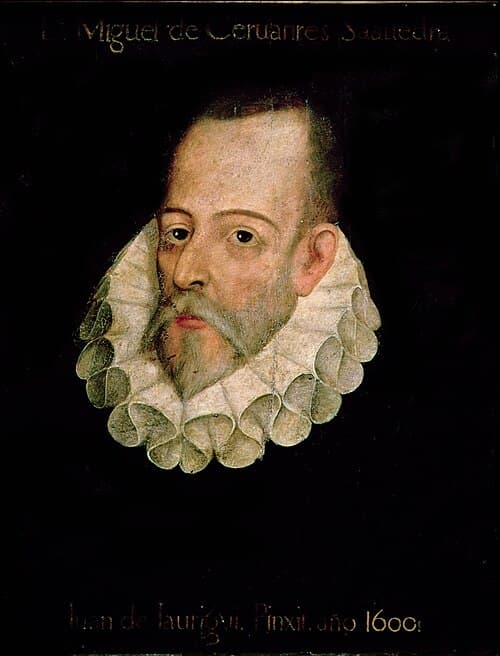
Don Quixote
Miguel de Cervantes
Don Quixote does the same thing a century and a half earlier, an intrusive narrator breaking off constantly to argue with the reader about what a novel owes its hero.
£1.99
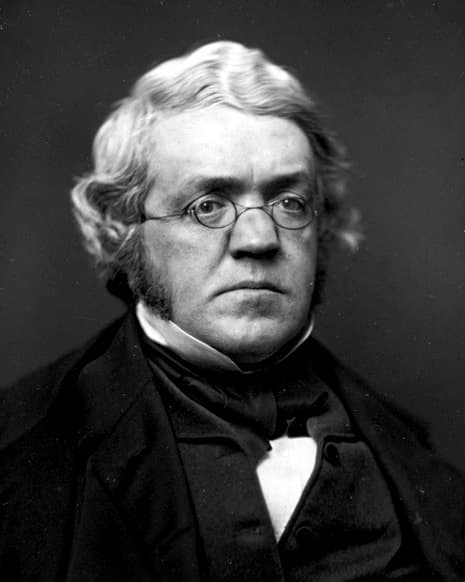
Vanity Fair
William Makepeace Thackeray
Vanity Fair does the same thing a century later, an omniscient narrator stepping forward to scold and forgive an entire cast of fools and schemers at once.
£1.99
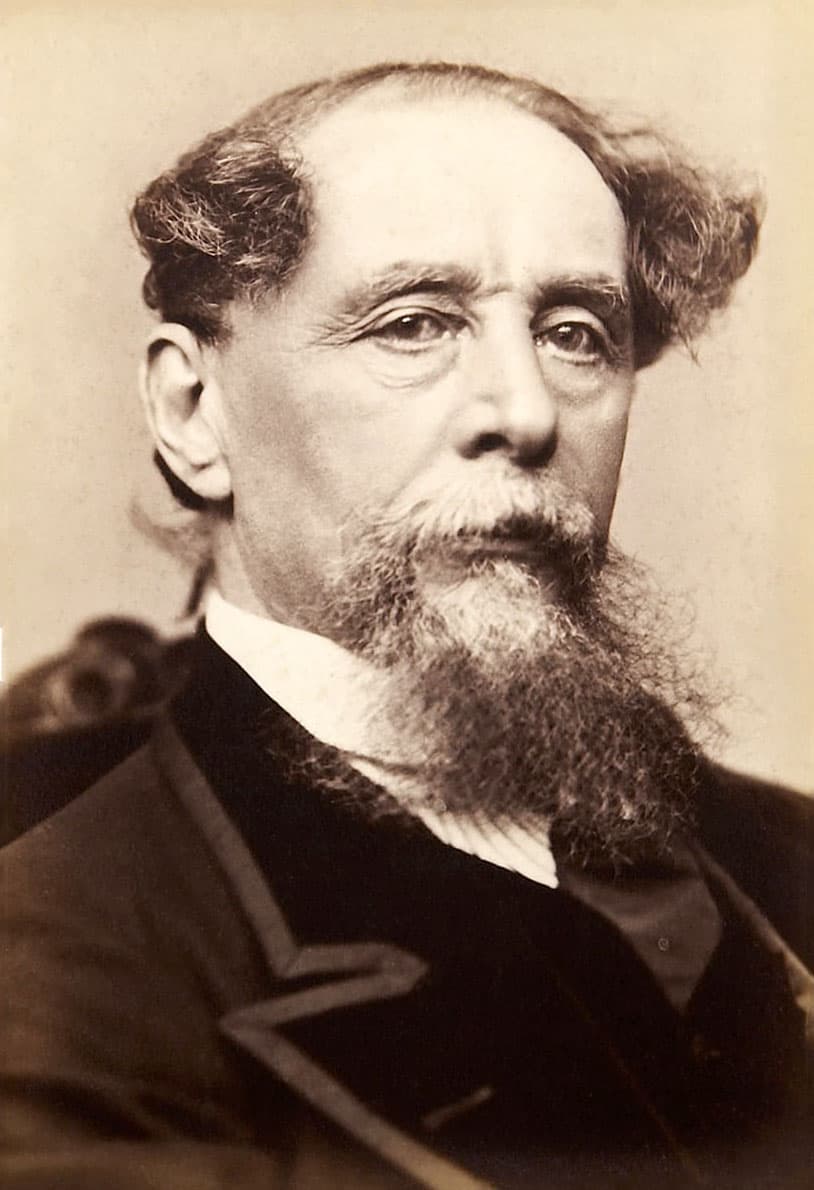
Great Expectations
Charles Dickens
Great Expectations does the same thing with a colder London instead of a warm Somerset, a foundling raised by a stranger's kindness and forced to learn what goodness costs.
£1.99
About the book
Squire Allworthy comes home to find a nameless infant tucked into his own bed, and decides on the spot to raise the boy as his own. That single act of kindness sets off the warmest, most generous comedy in English fiction. Tom Jones grows up hot-blooded and openhanded, unable to pass a friend in trouble or a woman in want of comfort, while the boy raised beside him learns early which virtues look best from a distance. When Tom is thrown out to make his own way, Fielding goes with him, chapter by chapter, breaking off constantly to argue with you about what a novel owes its reader and what goodness actually looks like once you strip away the manners. Coleridge called the plot one of the three most perfect ever built, alongside Oedipus and The Alchemist. But the real achievement is gentler than architecture: this is a book that forgives its hero everything a stricter one would have condemned him for, and asks you to do the same, all the way home to Sophia.