
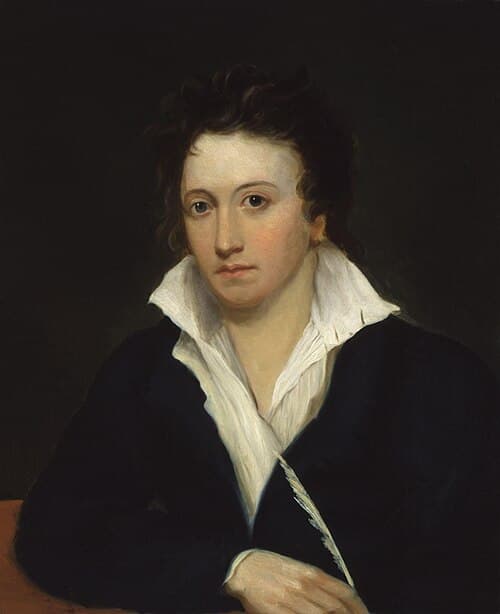
In the Library
A Defence of Poetry
Percy Bysshe Shelley, 1821
- Form
- Form Essay
- Difficulty
- Difficulty Demanding
- Reading time
- Reading time 55 minutes
- Chapters
- Chapters 1
- Length
- Length 12k words
£1.99
Read in the app, yours for good. Not yet by post.
The book unlocks on your account as soon as you buy it, so the 14-day right to cancel ends once it is unlocked.
Poets are the unacknowledged legislators of the world.
What buying means
- Yours for good, on every iPhone you sign in to.
- Read in the app’s own reader, with the original beside the translation where there is one.
- Downloaded, so it reads with no signal.
- The same price as in the app. Folio already opens every book on this shelf; buying keeps this one after Folio ends. A refund takes it back.
If you like this, try
Prometheus Unbound
Percy Bysshe Shelley
Shelley wrote Prometheus Unbound and the Defence within two years of each other, and the play is the argument in action: imagination and love freeing the world from a tyrant.
£1.99
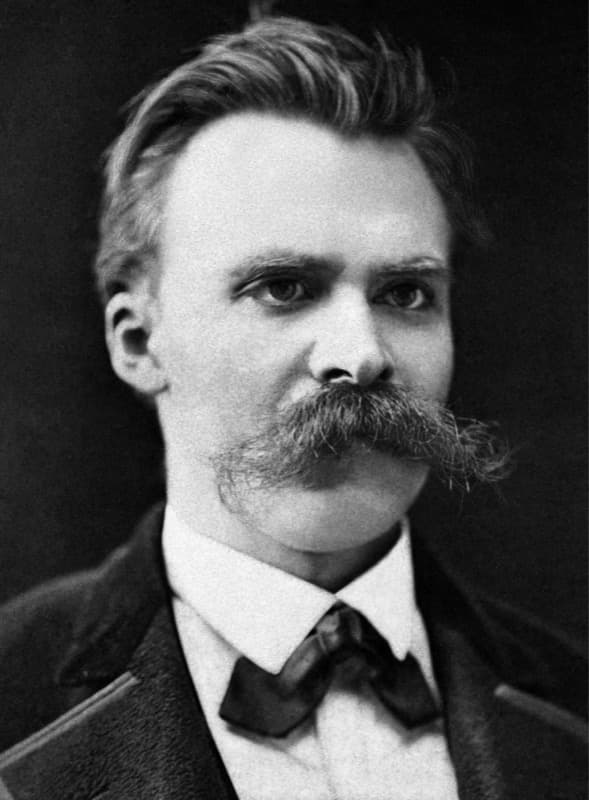
The Birth of Tragedy
Friedrich Nietzsche
Nietzsche makes his own case for art over cold reason, but trades Shelley's imagination for the wild and the orderly locked in one struggle.
£1.99
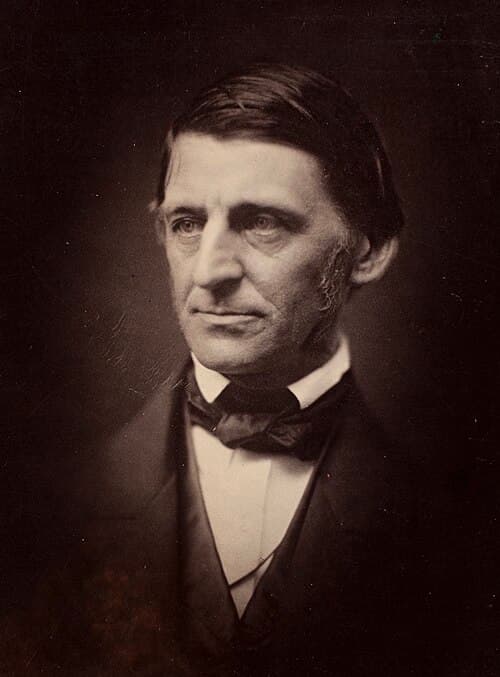
Nature
Ralph Waldo Emerson
Emerson finds the same hidden splendor in the world that Shelley credits to poetry, except he goes looking for it in the woods.
£1.99
About the book
"The mind in creation is as a fading coal." Shelley sets that image near the heart of this essay, and it tells you exactly how he believed poems arrive: not built but breathed into brightness by some invisible, inconstant wind, already dimming by the time the pen can move. He wrote the Defence to answer his friend Thomas Love Peacock, who had teased that the poet was a semi-barbarian in an age of scientists and political economists. What came back was not a polite rebuttal but a torrent of conviction, a young poet arguing that imagination is the root of every moral act, because to be greatly good a person must put themselves in the place of another, and only imagination can carry them there. Poetry, he writes, lifts the veil from the hidden beauty of the world. He drowned the next year, and never saw these pages in print. They close on a sentence of glorious defiance for an art so often dismissed as ornament: poets are the unacknowledged legislators of the world.