
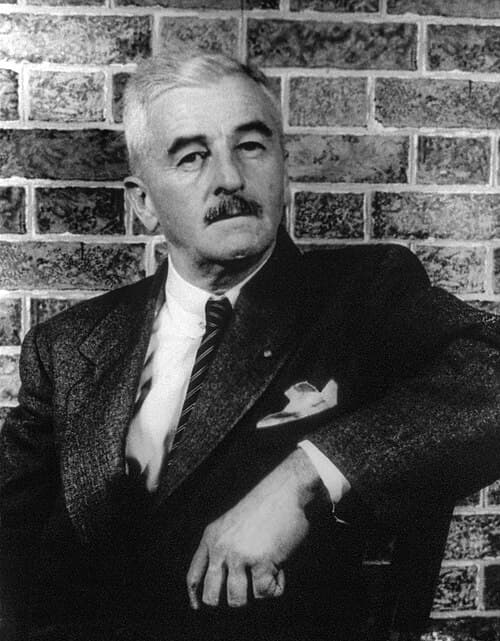
In the Library
A Rose for Emily
William Faulkner, 1930
- Form
- Form Short Story
- Difficulty
- Difficulty Moderate
- Reading time
- Reading time 15 minutes
- Chapters
- Chapters 5
- Length
- Length 4k words
£1.99
Read in the app, yours for good. Not yet by post.
The book unlocks on your account as soon as you buy it, so the 14-day right to cancel ends once it is unlocked.
In the public domain in the United States only: this edition is sold and read there and nowhere else.
When Miss Emily Grierson died, our whole town went to her funeral: the men through a sort of respectful affection for a fallen monument.
What buying means
- Yours for good, on every iPhone you sign in to.
- Read in the app’s own reader, with the original beside the translation where there is one.
- Downloaded, so it reads with no signal.
- The same price as in the app. Folio already opens every book on this shelf; buying keeps this one after Folio ends. A refund takes it back.
If you like this, try
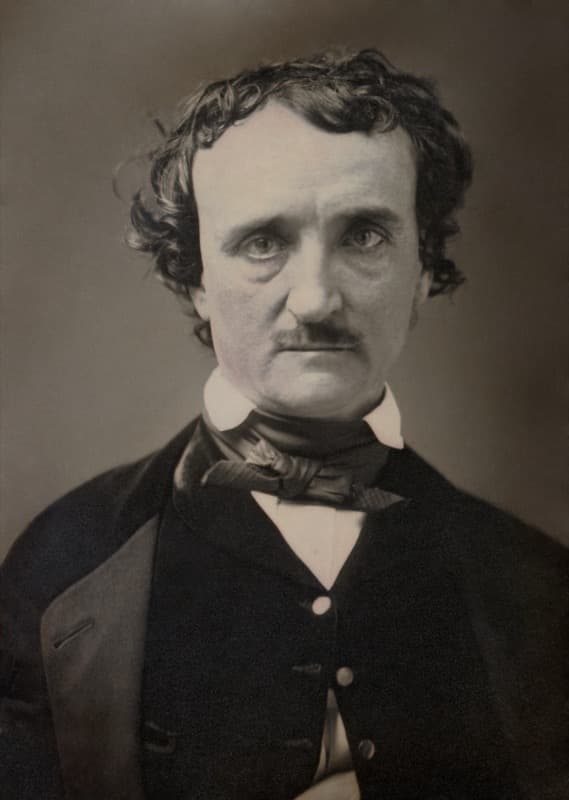
The Fall of the House of Usher
Edgar Allan Poe
The Fall of the House of Usher does the same thing, but compresses it into one Gothic night, a house mirroring its last inhabitant's slow ruin.
£1.99
As I Lay Dying
William Faulkner
As I Lay Dying does the same thing, but lets an entire family, not a whole town, take turns narrating around a body that will not stay decently buried.
£1.99
About the book
Four men cross a lawn at midnight with a bag of lime, sprinkling it along the foundations and into the cellar of the old Grierson house on what had once been the most select street in Jefferson, because not one of them can bring himself to tell a lady to her face that her property smells of something dead. Faulkner gives the whole story to the town, a 'we' that pities her and watches through the shutters for decades, and hands the events over out of order, so that a purchase of arsenic sits next to a funeral, and a wedding that never happened. What it is really about is what a place does with a woman it has decided is a monument: it denies her an ordinary life, calls the denial respect, then comes to her door at last for the spectacle. When her father died she kept the body three days, insisting he was not dead, and Jefferson called it grief. Everything the final page holds is already waiting in those three days.