
In the Library
Adolphe
Benjamin Constant, 1816
- Form
- Form Novella
- Difficulty
- Difficulty Moderate
- Reading time
- Reading time 2 hours
- Translated by
- Translated by The Daily Canon (2026)
- Original
- Original fr
- Chapters
- Chapters 13
- Length
- Length 29k words
£1.99
Read in the app, yours for good. Not yet by post.
The book unlocks on your account as soon as you buy it, so the 14-day right to cancel ends once it is unlocked.
We are such volatile creatures, we finally feel sentiments we feign.
What buying means
- Yours for good, on every iPhone you sign in to.
- Read in the app’s own reader, with the original beside the translation where there is one.
- Downloaded, so it reads with no signal.
- The same price as in the app. Folio already opens every book on this shelf; buying keeps this one after Folio ends. A refund takes it back.
If you like this, try
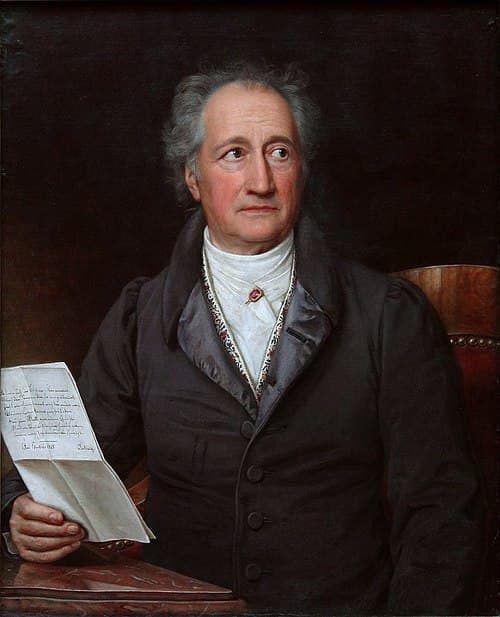
The Sorrows of Young Werther
Johann Wolfgang von Goethe
Werther burns with the same real heartbreak turned into fiction, but Goethe's young man is consumed by passion where Constant's is paralyzed by its absence.
£1.99
A Sentimental Education
Gustave Flaubert
Frederic drifts through the same kind of love that never quite becomes a decision, but Flaubert stretches the paralysis across an entire life and a whole revolution.
£1.99
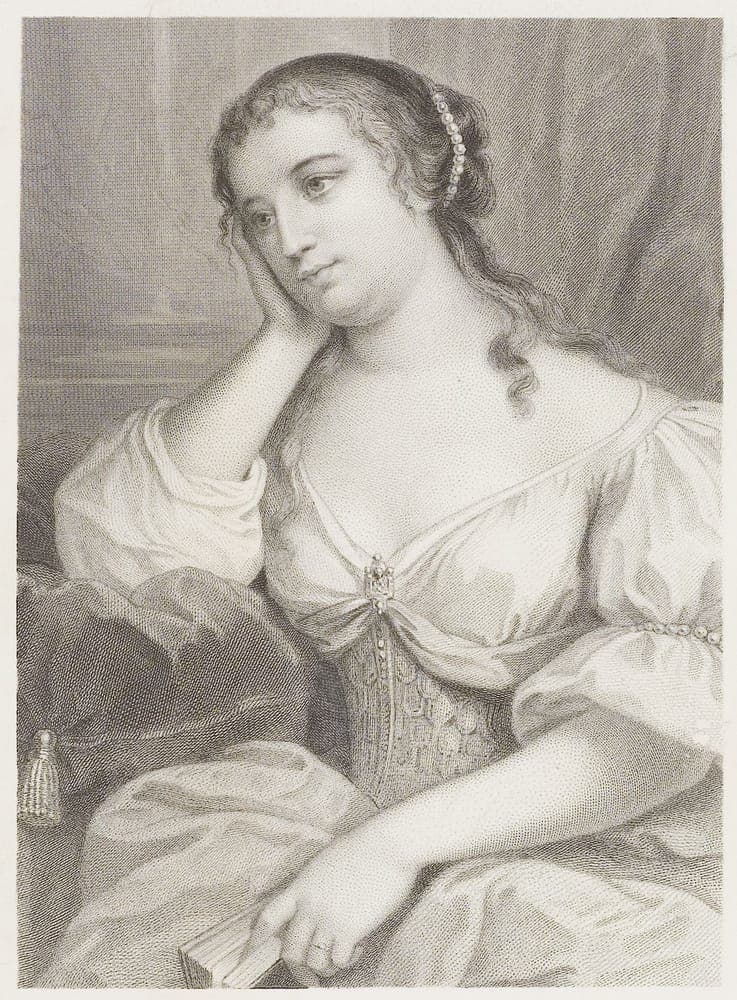
The Princess of Cleves
Madame de La Fayette
The Princess of Cleves does the same cold anatomy of the heart, but its heroine chooses duty on purpose, where Adolphe's hero only ever drifts into it.
£1.99

About the book
Adolphe is twenty-two, clever, and idle, and he sets out to make Ellénore fall in love with him mostly to prove that he can. She has spent a decade as a count's devoted, unmarried mistress, and she resists just long enough for his invented passion to become real. The moment she gives up her lover, her standing, and half her claim on her own children to be entirely his, Adolphe stops wanting her, and spends years unable to say so. He writes her tender letters to spare her feelings, then is horrified to feel the old tenderness answering back, if only for an afternoon. Constant knew this exact trap from his own fifteen years bound to a woman he could neither love nor bring himself to leave, and he set it down in a prose so cold and precise it still draws blood. What the book understands, better than almost anything written since, is that pity can counterfeit love for years, and that the kindest lie is the one that costs the most to keep telling.