

In the Library
Adonais
Percy Bysshe Shelley, 1821
- Form
- Form Poem
- Difficulty
- Difficulty Moderate
- Reading time
- Reading time 20 minutes
- Chapters
- Chapters 2
- Length
- Length 5k words
£1.99
Read in the app, yours for good. Not yet by post.
The book unlocks on your account as soon as you buy it, so the 14-day right to cancel ends once it is unlocked.
He has outsoared the shadow of our night;
What buying means
- Yours for good, on every iPhone you sign in to.
- Read in the app’s own reader, with the original beside the translation where there is one.
- Downloaded, so it reads with no signal.
- The same price as in the app. Folio already opens every book on this shelf; buying keeps this one after Folio ends. A refund takes it back.
If you like this, try
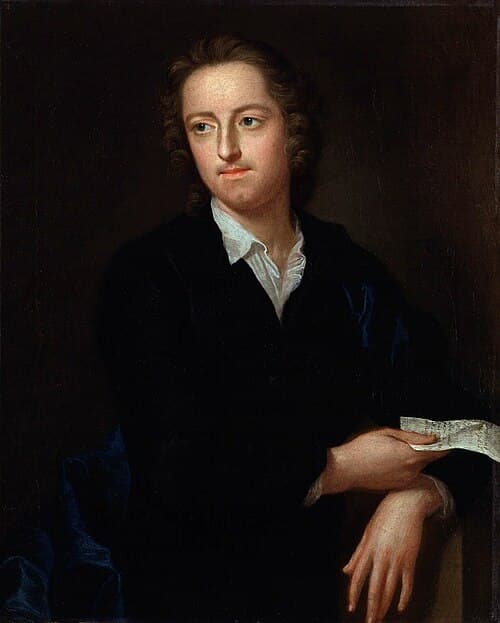
Elegy Written in a Country Churchyard
Thomas Gray
Gray mourns the obscure village dead where Shelley mourns a famous poet, and his elegy closes on the epitaph of a young man of genius whom fortune and fame never knew.
£1.99
In Memoriam A.H.H.
Alfred, Lord Tennyson
Tennyson writes the same long climb out of grief for a different dead friend, and takes twice as many stanzas to reach the same hard won peace.
£1.99
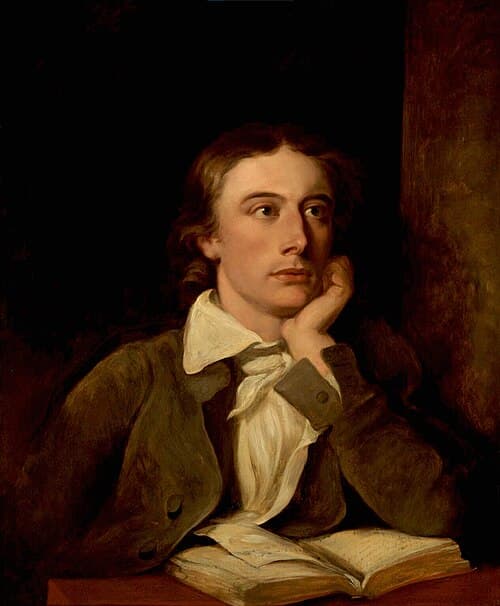
Ode to a Nightingale
John Keats
Adonais mourns the poet who wrote this, and the Nightingale ode is Keats himself, half in love with easeful death, the voice Shelley's elegy insists cannot die.
£1.99

About the book
"Life, like a dome of many-coloured glass, / Stains the white radiance of Eternity." Those lines sit near the end of Adonais, and they are among the most luminous Shelley ever wrote. The poem is his lament for John Keats, dead in Rome of tuberculosis at twenty-five, who, Shelley believed, had been broken by a savage review. It opens in grief, summoning the dead poet's own Dreams and Desires to weep over his body, and the long rolling swell of its fifty-five Spenserian stanzas carries that grief into fury at the critics, and then into something stranger than mourning. Halfway through, the elegy turns on its own tears: "Peace, peace! he is not dead, he doth not sleep." Keats becomes a portion of the loveliness he once made more lovely, and the poem climbs toward a light that burns through the whole world. By the final stanza Shelley's own spirit is a boat borne darkly, fearfully, far from shore. Within a year he drowned off the Italian coast, and a volume of Keats, the story goes, was in his pocket.