
In the Library
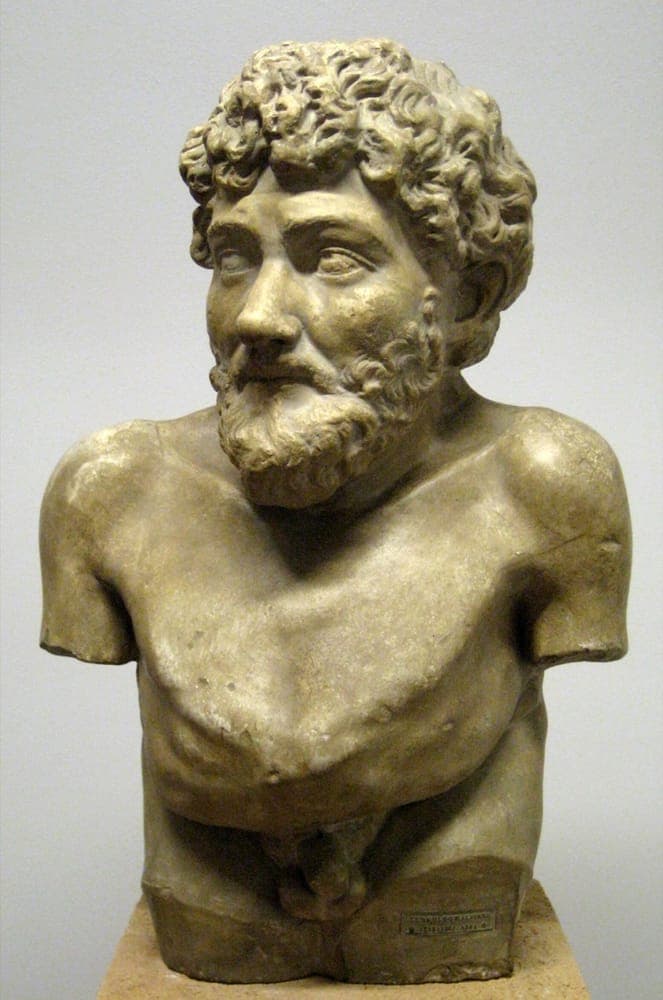
Aesop's Fables
Aesop, 1912
- Form
- Form Collection
- Difficulty
- Difficulty Accessible
- Reading time
- Reading time 3 hours
- Translated by
- Translated by V.S. Vernon Jones
- Chapters
- Chapters 6
- Length
- Length 38k words
£1.99
Read in the app, yours for good. Not yet by post.
The book unlocks on your account as soon as you buy it, so the 14-day right to cancel ends once it is unlocked.
Slow and steady wins the race.
What buying means
- Yours for good, on every iPhone you sign in to.
- Read in the app’s own reader, with the original beside the translation where there is one.
- Downloaded, so it reads with no signal.
- The same price as in the app. Folio already opens every book on this shelf; buying keeps this one after Folio ends. A refund takes it back.
If you like this, try
The Monkey and the Crocodile
Unknown
This Indian tale of a monkey who talks his way off a crocodile's back comes from the same ancient stock of beast fables, cleverness outwitting appetite in a few quick lines.
£1.99
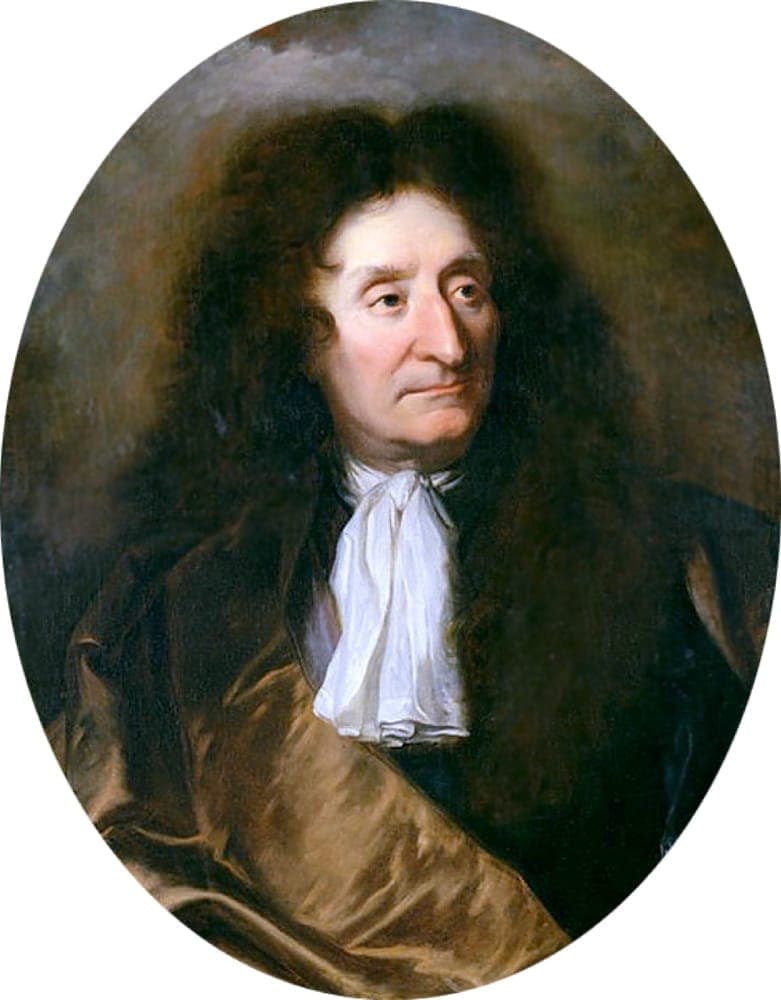
The Grasshopper and the Ant (La Cigale et la Fourmi)
Jean de La Fontaine
La Fontaine takes this exact fable and does the same thing in verse, but the French court gets the sting Aesop aimed at everyone.
£1.99
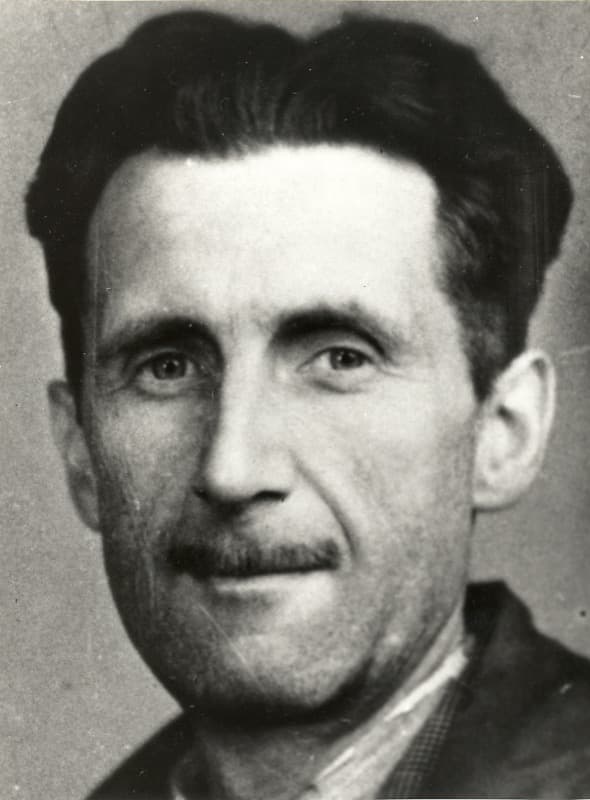
Animal Farm
George Orwell
Orwell writes an animal fable that does the same thing, but withholds the moral until you have worked it out and cannot unlearn it.
£1.99
About the book
A fox stares up at a bunch of grapes he cannot reach and decides aloud that they were sour anyway. Aesop, the slave whom Greek tradition placed on Samos in the sixth century before Christ, may or may not have existed; the corpus that gathered under his name has nonetheless taught moral logic to every literate child in the West for two and a half millennia. The lion spares the mouse and the mouse remembers. The tortoise outlasts the hare. The boy cries wolf until the wolf comes, and the village no longer answers. The fables compress whole ethics into a paragraph and leave the moral standing on its own legs, which is why they have outlived every philosopher who tried to replace them.