
In the Library
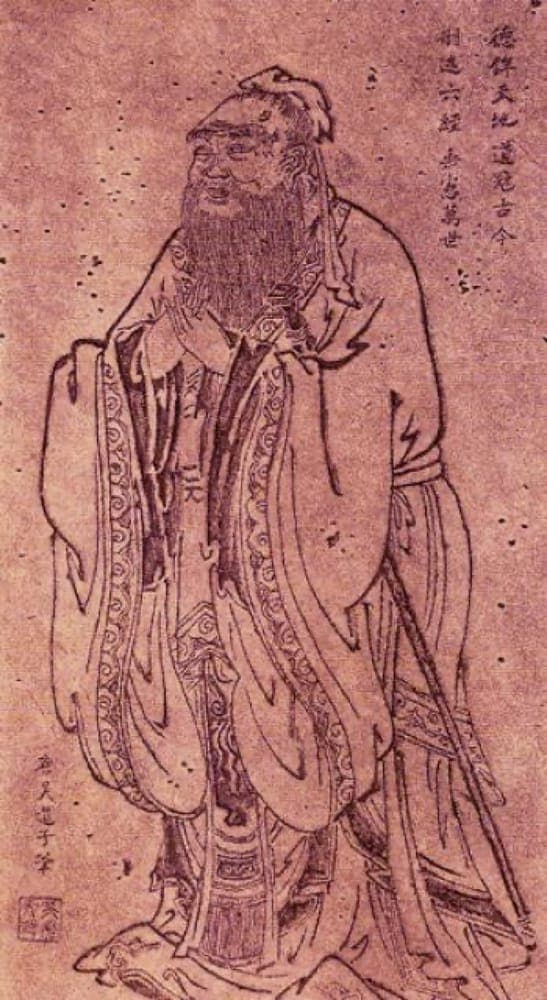
Analects
Confucius, 479 BCE
- Form
- Form Philosophy
- Difficulty
- Difficulty Moderate
- Reading time
- Reading time 2 hours
- Translated by
- Translated by James Legge
- Chapters
- Chapters 20
- Length
- Length 29k words
£1.99
Read in the app, yours for good. Not yet by post.
The book unlocks on your account as soon as you buy it, so the 14-day right to cancel ends once it is unlocked.
What you do not want done to yourself, do not do to others.
What buying means
- Yours for good, on every iPhone you sign in to.
- Read in the app’s own reader, with the original beside the translation where there is one.
- Downloaded, so it reads with no signal.
- The same price as in the app. Folio already opens every book on this shelf; buying keeps this one after Folio ends. A refund takes it back.
If you like this, try
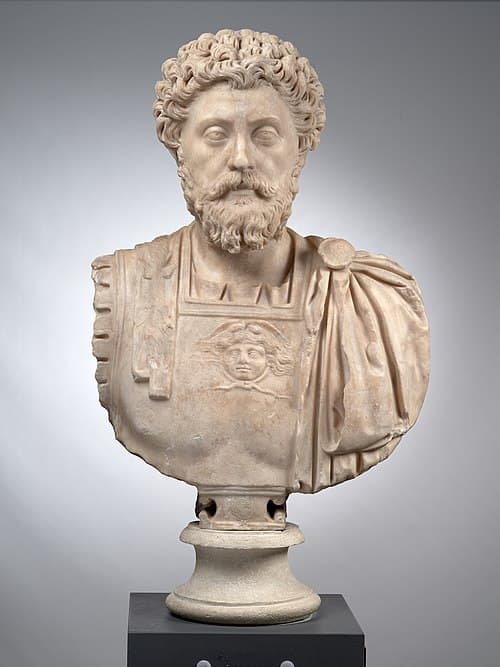
Meditations
Marcus Aurelius
Marcus Aurelius does the same thing in fragments of private discipline, but where Confucius answers disciples aloud, the Roman emperor argues only with himself.
£1.99
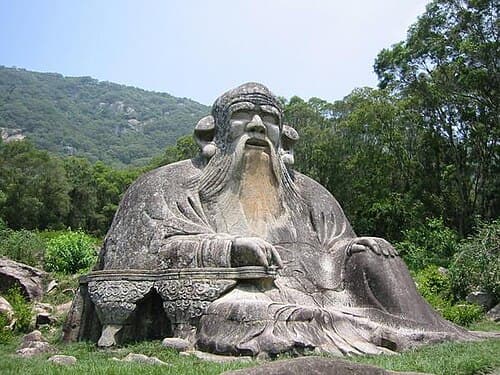
The Tao Te Ching
Laozi
The Tao Te Ching does the same work of compressing a whole ethics into short, quotable lines, but trades Confucius's rules and rituals for paradox and letting go.
£1.99
The Bhagavad Gita
Vyasa
The Bhagavad Gita does the same thing of a teacher answering urgent questions about duty, but stages it as one dialogue on a battlefield instead of a lifetime of exchanges.
£1.99

About the book
A teacher sits with his students in a chamber in the Lu state and answers a question about filial piety, then about governing, then whether a gentleman should eat his rice with care. The Analects collects the conversations of Confucius, who died in 479 BCE, compiled across the next two centuries by his disciples. The book has no argument; it is a sequence of fragments, sometimes a line attributed to the Master, sometimes a brief exchange about ritual, music, or mourning. The Way is never defined, only enacted: in how a son speaks to his father, how a minister advises his ruler, how a man holds restraint when alone. Two millennia of East Asian thought have read this book and called it foundation.