

In the Library
Common Sense
Thomas Paine, 1776
- Form
- Form Philosophy
- Difficulty
- Difficulty Accessible
- Reading time
- Reading time 1.5 hours
- Chapters
- Chapters 6
- Length
- Length 22k words
£1.99
Read in the app, yours for good. Not yet by post.
The book unlocks on your account as soon as you buy it, so the 14-day right to cancel ends once it is unlocked.
Society in every state is a blessing, but government even in its best state is but a necessary evil.
What buying means
- Yours for good, on every iPhone you sign in to.
- Read in the app’s own reader, with the original beside the translation where there is one.
- Downloaded, so it reads with no signal.
- The same price as in the app. Folio already opens every book on this shelf; buying keeps this one after Folio ends. A refund takes it back.
If you like this, try
Reflections on the Revolution in France
Edmund Burke
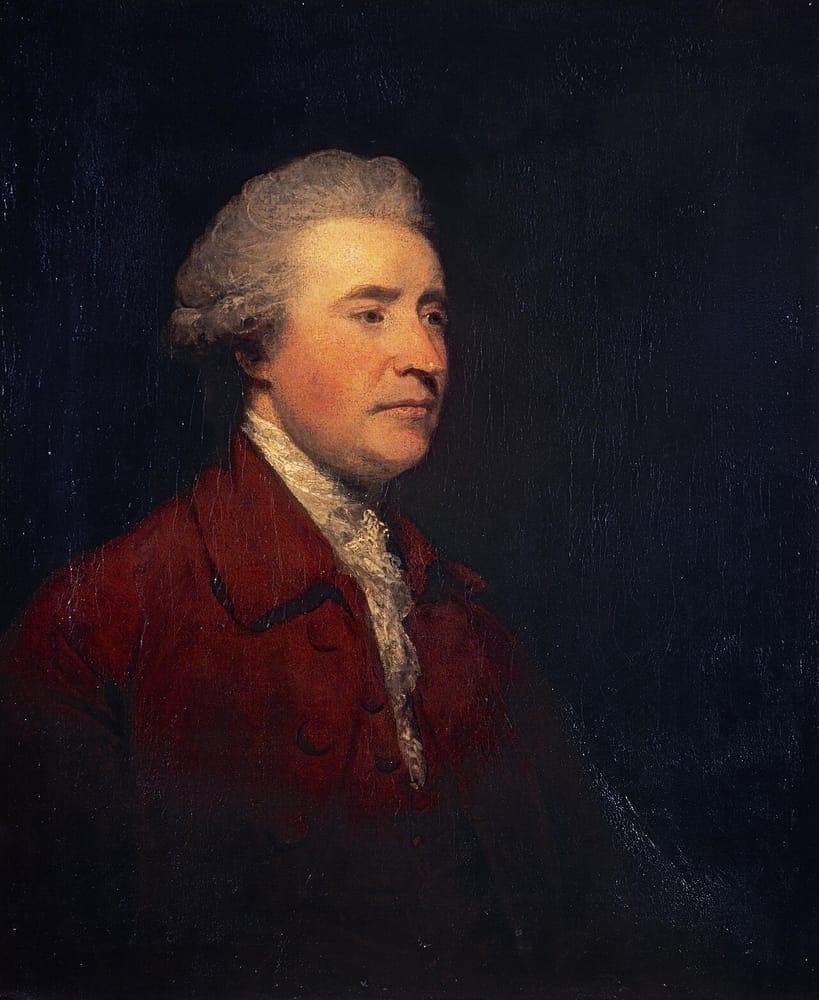
Burke wrote the great rebuttal to Paine: the founding argument between revolution and tradition that still defines modern politics.
£1.99
The Communist Manifesto
Karl Marx & Friedrich Engels
Marx and Engels light the same revolutionary fuse in the same plain prose, but the target is capital instead of a crown.
£1.99

About the book
Open it expecting a treatise and you find something closer to a man talking fast, plain, half-amazed that anyone ever agreed to take monarchy seriously. Thomas Paine had been in the colonies barely a year, an Englishman with nothing to lose, and he wrote for the farmer reading by firelight rather than the lawyer reading by candle. The daring is not the argument, which had drifted through parlors for years, but the nerve to say it flatly: that hereditary succession is an insult to reason, that a king is not necessary but absurd, that breaking away is only common sense. He gave a people the words for a thing they already half-believed and could not yet bring themselves to think aloud. More than a hundred thousand copies passed hand to hand within months, and Washington had it read to his troops. You can hear, in its scorn and its speed, the sound of a country deciding to stop asking permission.