
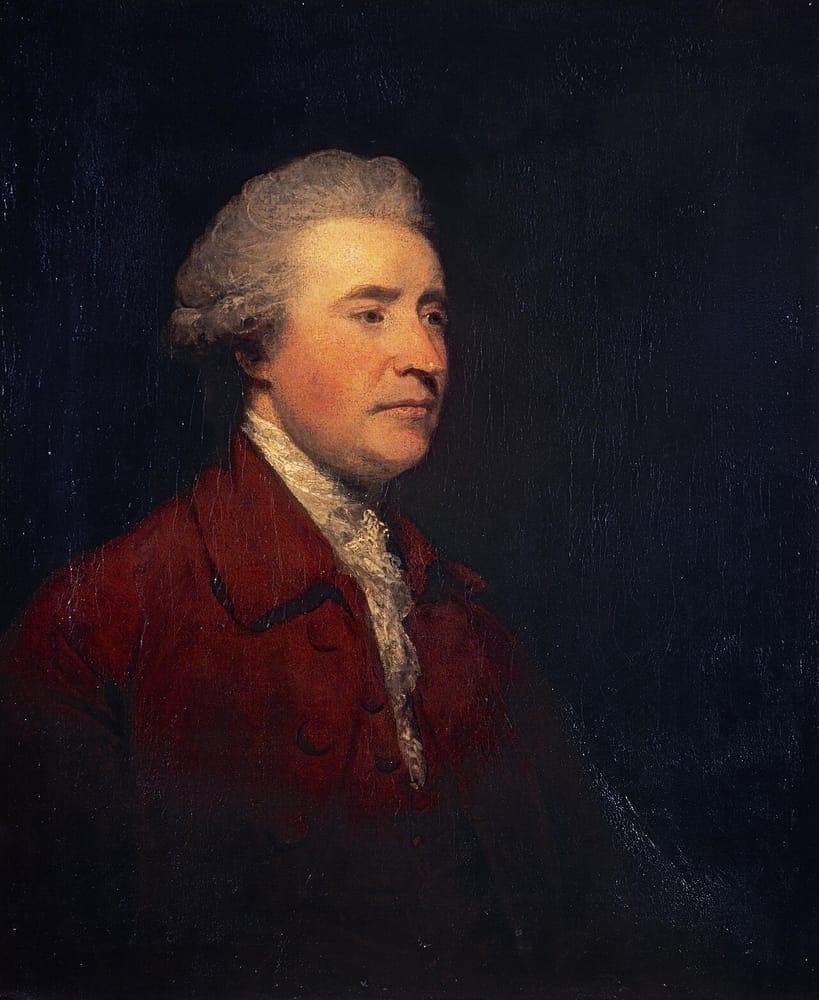
In the Library
Reflections on the Revolution in France
Edmund Burke, 1790
- Form
- Form Philosophy
- Difficulty
- Difficulty Moderate
- Reading time
- Reading time 7 hours
- Chapters
- Chapters 11
- Length
- Length 94k words
£1.99
Read in the app, yours for good. Not yet by post.
The book unlocks on your account as soon as you buy it, so the 14-day right to cancel ends once it is unlocked.
Half a dozen grasshoppers under a fern make the field ring with their importunate chink.
What buying means
- Yours for good, on every iPhone you sign in to.
- Read in the app’s own reader, with the original beside the translation where there is one.
- Downloaded, so it reads with no signal.
- The same price as in the app. Folio already opens every book on this shelf; buying keeps this one after Folio ends. A refund takes it back.
If you like this, try
Common Sense
Thomas Paine
Paine lit the revolutionary fire Burke spent his career trying to contain, and the argument between them defined modern politics.
£1.99
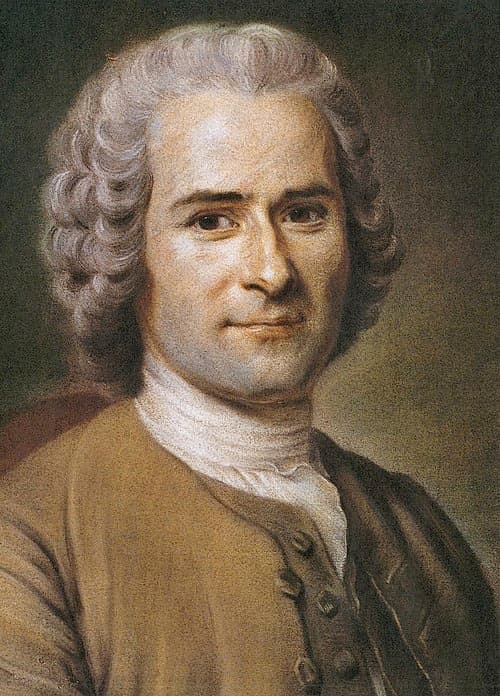
The Social Contract
Jean-Jacques Rousseau
Rousseau built the philosophical foundation the revolutionaries used; Burke wrote the rebuttal.
£1.99
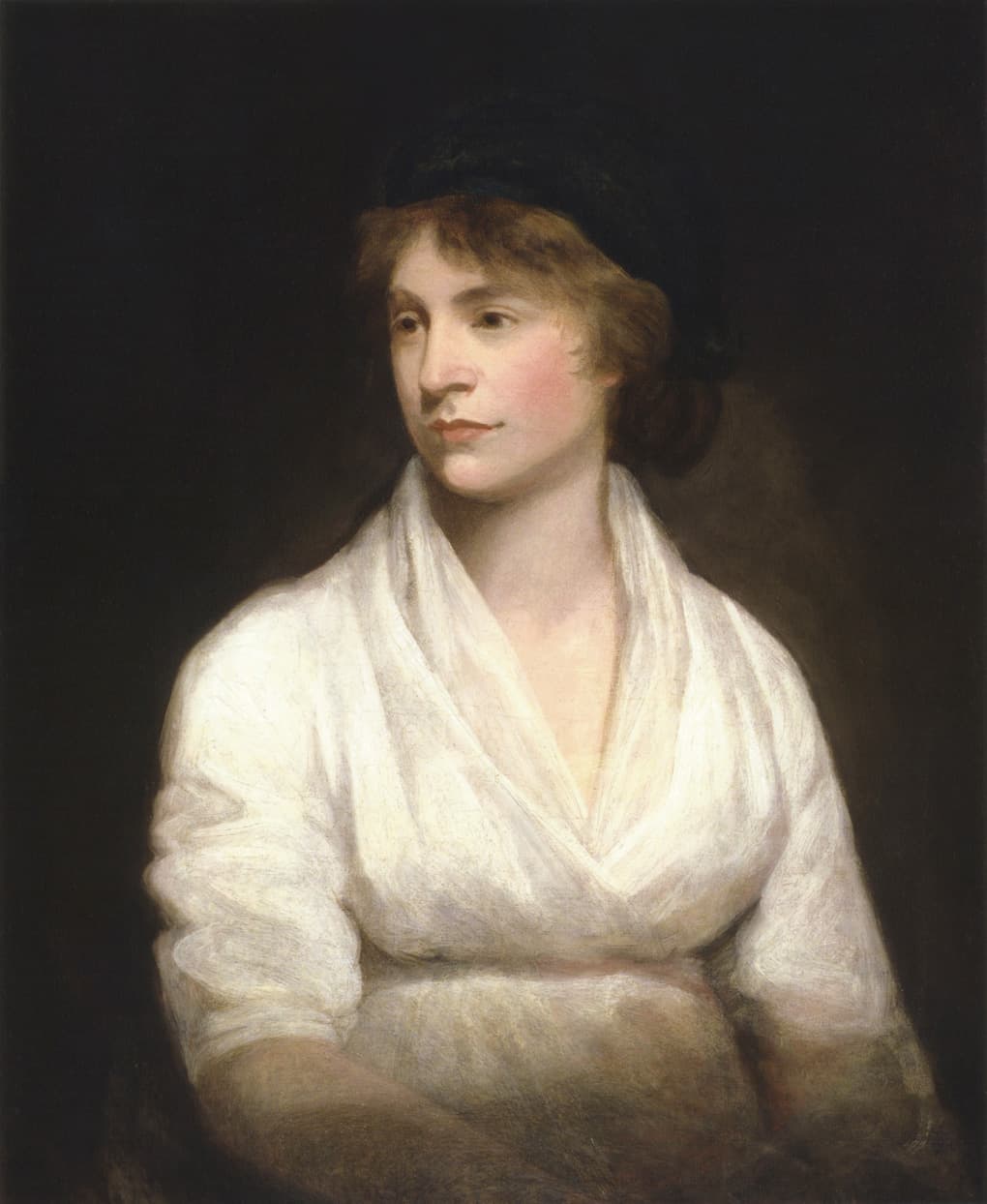
A Vindication of the Rights of Woman
Mary Wollstonecraft
Wollstonecraft turned Burke's own method against him, demanding that tradition answer for what it had done to women.
£1.99

About the book
Burke remembers Marie Antoinette glittering at Versailles and grieves that ten thousand swords did not leap from their scabbards to defend her; the age of chivalry is gone, he mourns, and a colder age of calculators has come in its place. Reflections on the Revolution in France is the great cry against the faith that reason alone can raze a civilization and build a better one from the bare ground. Burke had cheered the American colonists and spent years prosecuting the plunder of India, so his fury at Paris stunned the friends who took him for a friend of liberty. What he defended was the inherited wisdom no philosopher can recover from first principles, a partnership, he calls it, between the living, the dead, and those yet to be born. He wrote it before the guillotine had taken a single head, naming the Terror and the soldier-despot who would follow, and watched the future arrive exactly as he had said. You can resist every line and still feel the chill of a man who could see in the dark.