

In the Library
Confessions
Saint Augustine, 1838
- Form
- Form Philosophy
- Difficulty
- Difficulty Moderate
- Reading time
- Reading time 8 hours
- Translated by
- Translated by E. B. Pusey
- Original
- Original la
- Chapters
- Chapters 13
- Length
- Length 112k words
£1.99
Read in the app, yours for good. Not yet by post.
The book unlocks on your account as soon as you buy it, so the 14-day right to cancel ends once it is unlocked.
Thou madest us for Thyself, and our heart is restless, until it repose in Thee.
What buying means
- Yours for good, on every iPhone you sign in to.
- Read in the app’s own reader, with the original beside the translation where there is one.
- Downloaded, so it reads with no signal.
- The same price as in the app. Folio already opens every book on this shelf; buying keeps this one after Folio ends. A refund takes it back.
If you like this, try
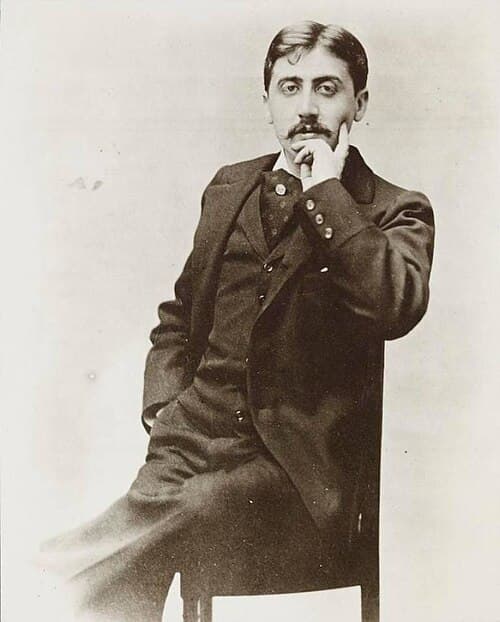
In Search of Lost Time
Marcel Proust
Proust inherits Augustine's project: the self examined through memory, with the same conviction that time lost can be redeemed.
£1.99
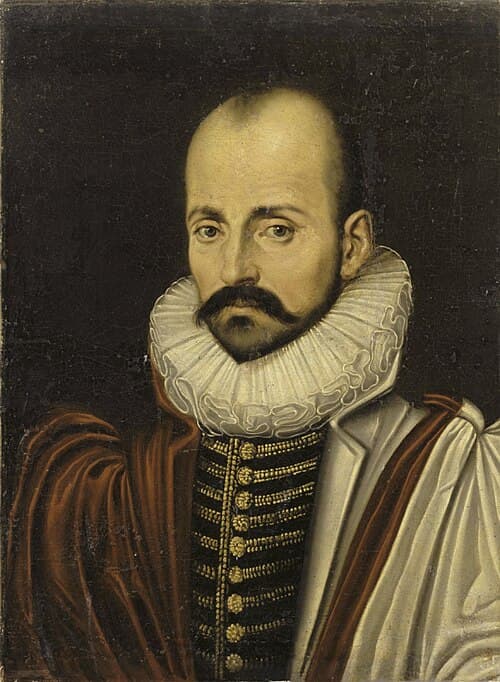
Essays
Michel de Montaigne
Montaigne invents the secular version of Augustine's method: honest self-examination without the need for God's forgiveness.
£1.99
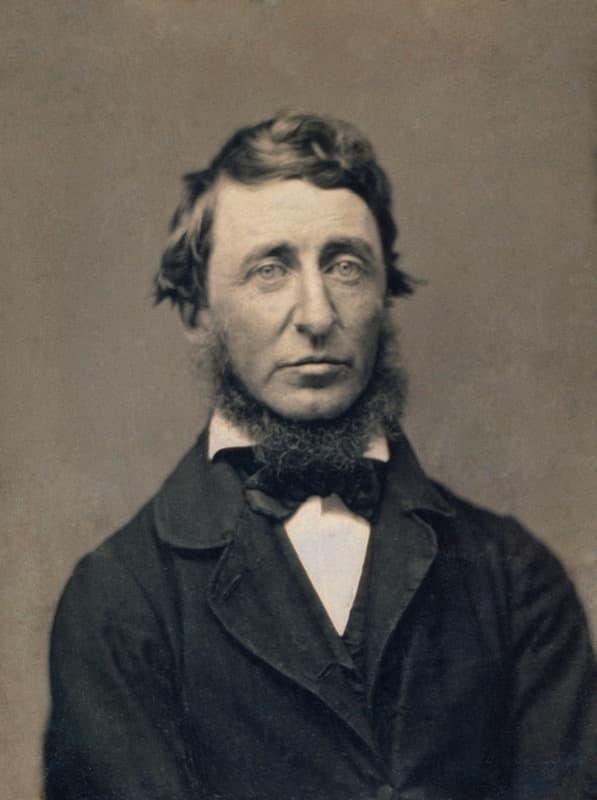
Walden
Henry David Thoreau
Thoreau goes to the woods for the same reason Augustine went to his garden: to strip life down to what matters.
£1.99
About the book
In a garden one night Augustine and a gang of boys strip a neighbour's pear tree bare, not because they are hungry but because the theft is forbidden and that is the whole of the pleasure. He spends pages on it, turning the small crime over and over, because he has understood something no one had written down before: that a person can love wrongdoing for its own sake, with nothing to gain. Confessions is addressed start to finish to God, every sin laid out with terrible exactness, the years with a woman he loved and never named, the prayer that begged for chastity and added, but not yet. To read it is to overhear a mind accounting for itself to the one who already knows. Augustine was the first writer in the West to treat the self as a depth instead of a surface, and every memoir of a soul in crisis since has been written in the room he built. The restlessness of his famous opening never settles. It only moves.