
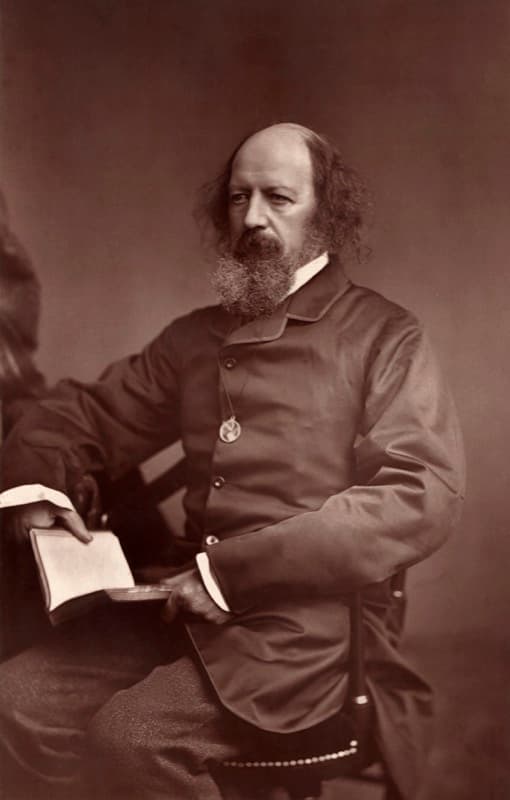
In the Library
Crossing the Bar
Alfred, Lord Tennyson, 1889
- Form
- Form Poem
- Difficulty
- Difficulty Accessible
- Reading time
- Reading time 5 minutes
- Chapters
- Chapters 1
- Length
- Length 0k words
£1.99
Read in the app, yours for good. Not yet by post.
The book unlocks on your account as soon as you buy it, so the 14-day right to cancel ends once it is unlocked.
Sunset and evening star, / And one clear call for me! / And may there be no moaning of the bar, / When I put out to sea,
What buying means
- Yours for good, on every iPhone you sign in to.
- Read in the app’s own reader, with the original beside the translation where there is one.
- Downloaded, so it reads with no signal.
- The same price as in the app. Folio already opens every book on this shelf; buying keeps this one after Folio ends. A refund takes it back.
If you like this, try
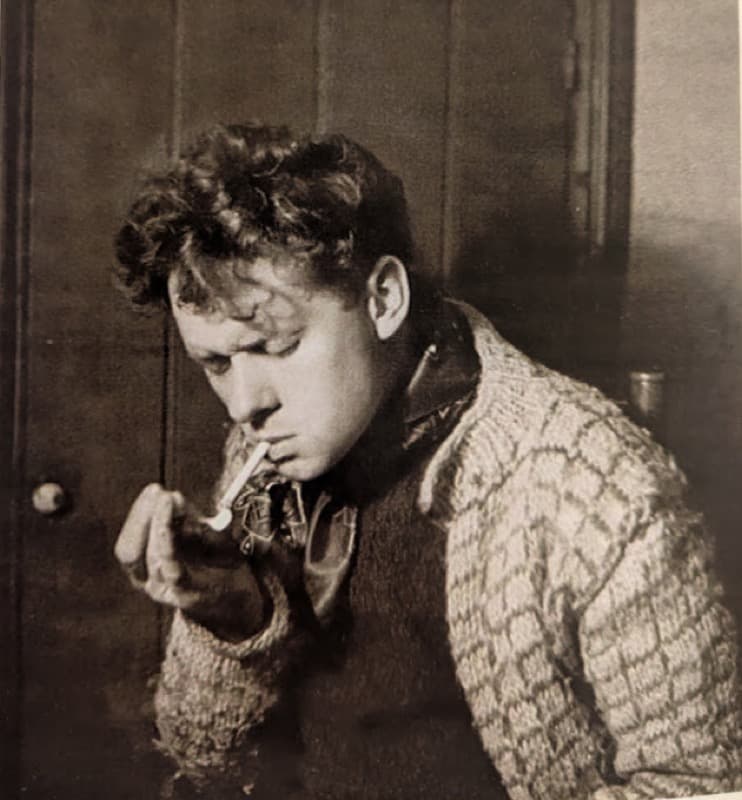
Do Not Go Gentle into That Good Night
Dylan Thomas
Thomas faces the same last threshold, but rages against the dying light where Tennyson boards it calmly, hoping to meet his Pilot face to face.
£1.99
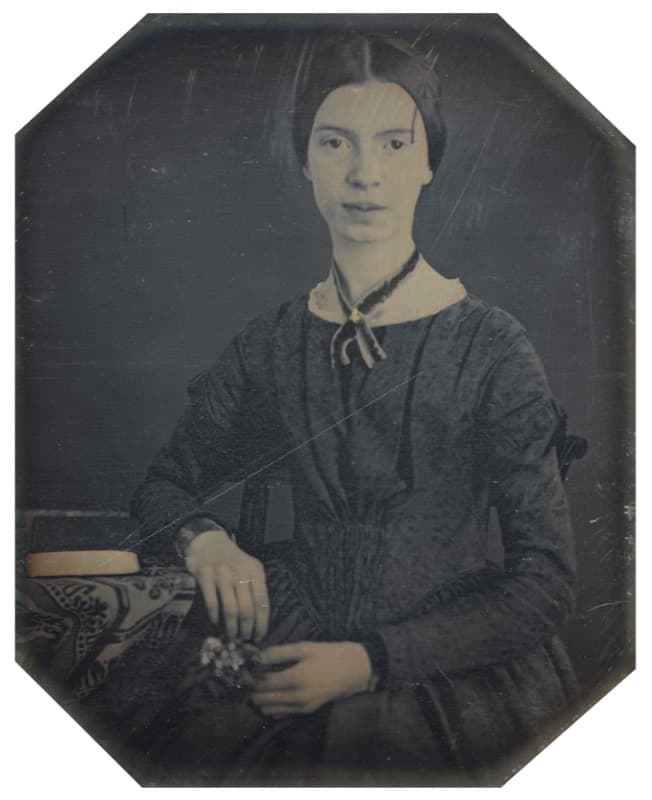
Because I could not stop for Death
Emily Dickinson
Dickinson imagines the same voyage toward eternity, but rides in a carriage with Death himself where Tennyson simply asks the tide to carry him out.
£1.99
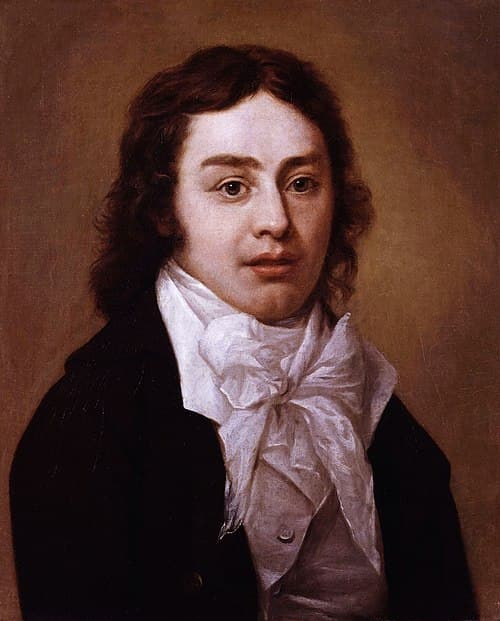
The Rime of the Ancient Mariner
Samuel Taylor Coleridge
Coleridge sends a Pilot out to meet a homecoming ship too, but that voyage ends in penance where Tennyson's ends in simple trust.
£1.99
About the book
Out past the harbour mouth lies the sandbar, and at low water the sea breaks over it and moans. Tennyson was eighty, and had just come through an illness that nearly killed him, when he crossed the Solent one evening and wrote sixteen lines asking for the opposite: a tide so full it makes no sound at all, a ship that slips out of the harbour without a word. He told his son to print it last in every edition of his poems, and it has stood there ever since. The power of it is in how little it explains. No argument, no doctrine, only the evening star, one clear call, and an old man hoping the water will be high when his turn comes. Read it aloud and you can hear the tide rising under the lines, the vowels lengthening, the final stanza carrying him out past the sound of the shore.