
In the Library
Dream of the Red Chamber
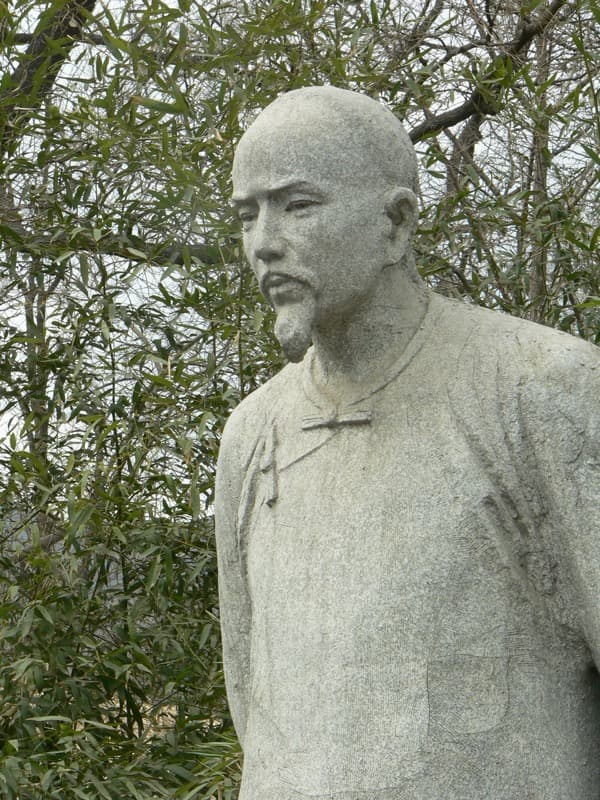
Cao Xueqin, 1791
- Form
- Form Novel
- Difficulty
- Difficulty Demanding
- Reading time
- Reading time 32 hours
- Translated by
- Translated by H. Bencraft Joly (1892-1893, partial: chapters 1-56 of 120)
- Chapters
- Chapters 56
- Length
- Length 442k words
£1.99
Read in the app, yours for good. Not yet by post.
The book unlocks on your account as soon as you buy it, so the 14-day right to cancel ends once it is unlocked.
When falsehood stands for truth, truth likewise becomes false, Where naught be made to aught, aught changes into naught.
What buying means
- Yours for good, on every iPhone you sign in to.
- Read in the app’s own reader, with the original beside the translation where there is one.
- Downloaded, so it reads with no signal.
- The same price as in the app. Folio already opens every book on this shelf; buying keeps this one after Folio ends. A refund takes it back.
The reading guide, in the app
How to Read Dream of the Red Chamber
The most celebrated novel in Chinese literature is also one of the most psychologically intimate ever written, and its reputation for difficulty dissolves once you realise the vast household at its centre is simply a very long study of a few dozen people living too closely together.
The first obstacle is the household itself, the Jia family compound known as the Grand View Garden, which contains several interconnected mansions and perhaps a hundred and fifty named characters across the full novel. The second obstacle is the name problem: characters are referred to by given names, courtesy names, nicknames, titles, and pet names, sometimes by the same person in adjacent sentences. Both obstacles are real, and both can be managed without a specialist's knowledge. A brief character list, available in any decent edition, consulted for the first twenty chapters, is usually enough to orient yourself; after that, the personalities become distinctive enough that the names stop mattering quite so much.
If you like this, try
In Search of Lost Time
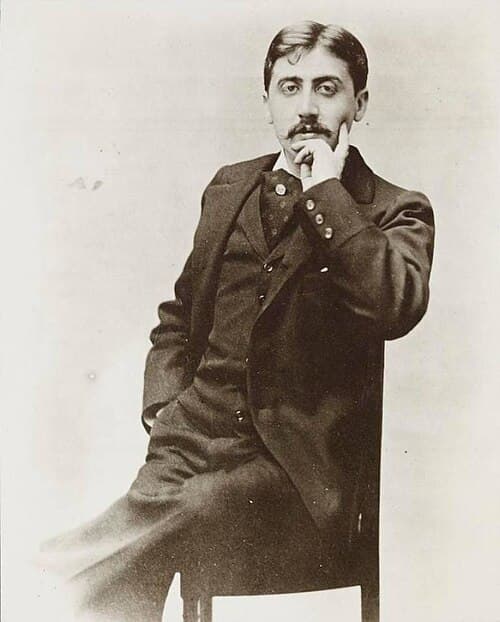
Marcel Proust
Proust builds the same vast, declining world from memory and longing, but in Paris instead of Beijing.
£1.99
War and Peace
Leo Tolstoy
Tolstoy fills the same enormous canvas with families, history, and the question of what survives when everything falls.
£1.99
The Tale of Genji
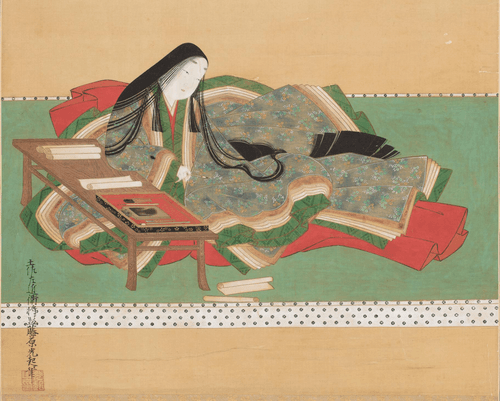
Murasaki Shikibu
Murasaki writes the same aristocratic twilight a thousand years earlier: beauty, poetry, and the knowledge that none of it will last.
£1.99

About the book
Every spring the peach blossoms fall across the Grand View Garden, and Lin Daiyu cannot stand to see them trampled into the mud: she gathers the fallen petals and buries them in the earth, weeping for the flowers and, without knowing it, for herself. Her grief over a handful of blossoms is the grief Cao Xueqin pours over a whole vanished world. He grew up inside one of Qing China's great households, his family imperial textile commissioners for three generations, then watched the wealth and the long seasons of poetry contests and chrysanthemum wine fall away. Into the Jia family's garden he set everything he could not bear to lose: a recipe, a riddle, the remedy for a cough, and at its heart Baoyu, the boy born with a jade in his mouth, who loves Daiyu as if they had known each other before either was born. His family means him for someone steadier. She burns her poems, page by page, in the brazier. To build a world this tenderly, the novel knows, is the longest way of saying goodbye.