
In the Library
Facundo
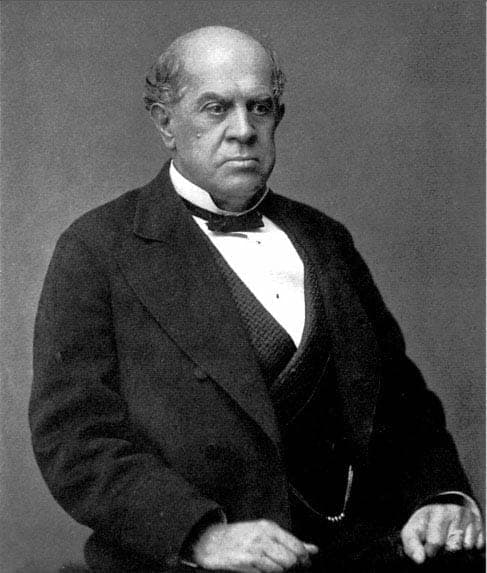
Domingo Faustino Sarmiento, 1845
- Form
- Form Essay
- Difficulty
- Difficulty Moderate
- Reading time
- Reading time 5.5 hours
- Translated by
- Translated by Mary Mann (1868)
- Chapters
- Chapters 14
- Length
- Length 74k words
£1.99
Read in the app, yours for good. Not yet by post.
The book unlocks on your account as soon as you buy it, so the 14-day right to cancel ends once it is unlocked.
Our desire, however, should be for union in civilization, and in liberty, while there has been given us only union in barbarism and in slavery.
What buying means
- Yours for good, on every iPhone you sign in to.
- Read in the app’s own reader, with the original beside the translation where there is one.
- Downloaded, so it reads with no signal.
- The same price as in the app. Folio already opens every book on this shelf; buying keeps this one after Folio ends. A refund takes it back.
If you like this, try
Martín Fierro
José Hernández
Hernandez answers Sarmiento from the pampas itself, giving the gaucho his own voice as he is dragged to the frontier, the same Argentina seen from the side Facundo calls barbarism.
£1.99
Nostromo
Joseph Conrad
Nostromo studies a South American republic torn between order and chaos too, but invents its country instead of indicting a real one Sarmiento knew firsthand.
£1.99

About the book
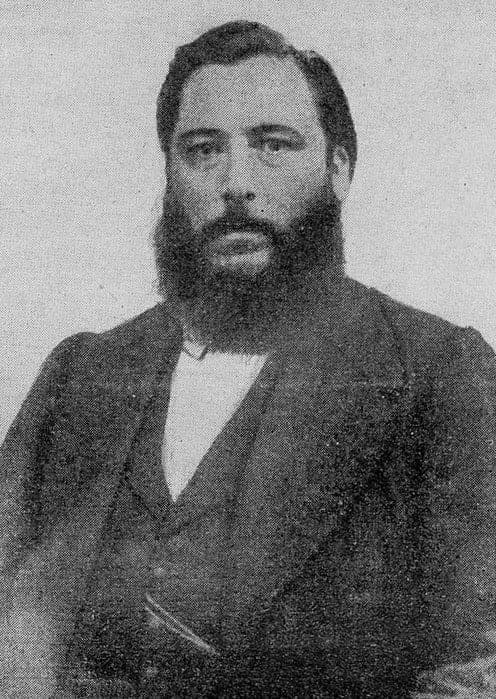
The Argentine plain runs so flat and treeless that a rider can vanish over the horizon while you watch, and Sarmiento wants you to feel that emptiness before he explains the man it produced. He lingers first on the gauchos who could read a single hoofprint in the dust and name the horse, the hour, the direction, as though the plain itself had taught them a second language. Out of that same country rode Juan Facundo Quiroga, the Tiger of the Plains, who ruled by pure will and terror until an ambush shot him dead in his own carriage in 1835. Sarmiento wrote this life of him from exile in Chile, aiming past Quiroga at the dictator whose shadow falls over every page, Juan Manuel de Rosas, arguing that Rosas was simply Quiroga organized into a government. The distinction he coined here, civilization against barbarism, would shape how an entire continent argued with itself for the next century. No one has made a landscape confess to breeding a tyrant so persuasively since.