
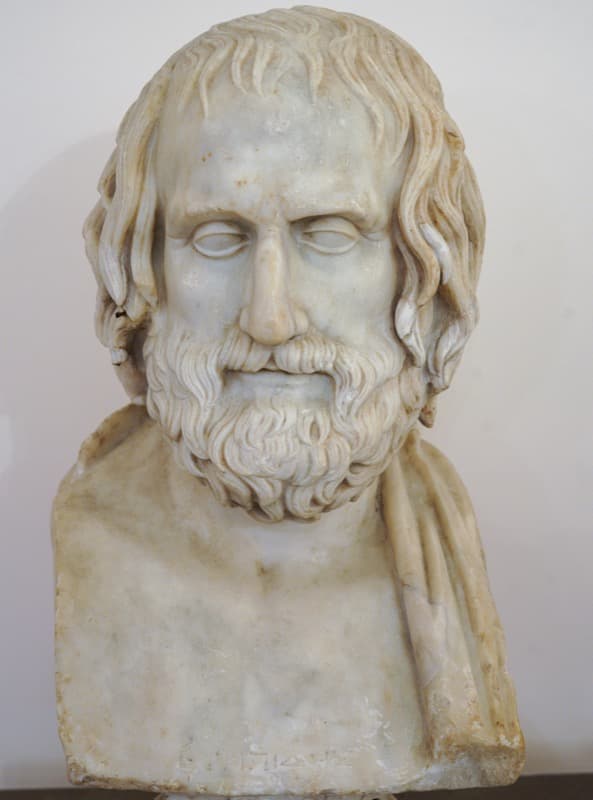
In the Library
Hippolytus
Euripides, 428 BCE
- Form
- Form Play
- Difficulty
- Difficulty Moderate
- Reading time
- Reading time 50 minutes
- Translated by
- Translated by Gilbert Murray (1902)
- Chapters
- Chapters 9
- Length
- Length 12k words
£1.99
Read in the app, yours for good. Not yet by post.
The book unlocks on your account as soon as you buy it, so the 14-day right to cancel ends once it is unlocked.
'Twas but my tongue, 'twas not my soul that swore.
What buying means
- Yours for good, on every iPhone you sign in to.
- Read in the app’s own reader, with the original beside the translation where there is one.
- Downloaded, so it reads with no signal.
- The same price as in the app. Folio already opens every book on this shelf; buying keeps this one after Folio ends. A refund takes it back.
If you like this, try
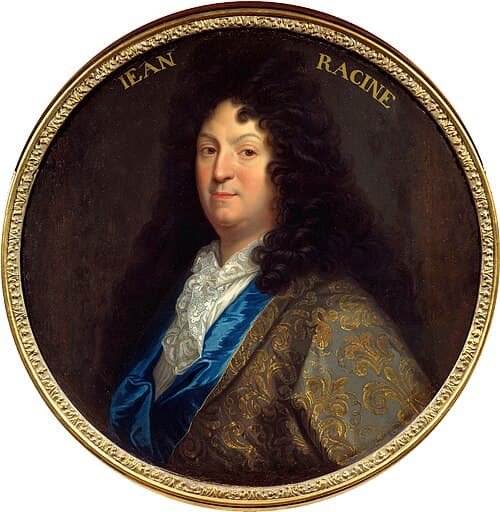
Phèdre
Jean Racine
Racine takes this exact plot and gives Phaedra the confession Euripides denied her, then writes the guilt in lines of unbearable control.
£1.99
The Bacchae
Euripides
Euripides runs the same machine at the end of his life: a young man who will not worship a god, and the god arriving in person.
£1.99
Medea
Euripides
Medea does the same thing, but from inside a woman's rage rather than her silence, and she acts on every impulse Phaedra swallows.
£1.99
About the book
Aphrodite comes on first and tells you exactly what she means to do. Hippolytus keeps himself pure for Artemis and holds Aphrodite cheapest of all the gods, so she has already put the love in his stepmother, and everything after is the machinery running. Phaedra never says one word of it to him: she wastes away, hears him rage against women, and answers nothing. What breaks the story open is an old nurse who loves her, cannot bear to watch her die of it, and goes to be helpful. Euripides had staged this once before with Phaedra declaring herself to his face, and Athens found it indecent; he wrote it again with her mouth shut, and it took first prize. "'Twas but my tongue, 'twas not my soul that swore," Hippolytus says of the oath the nurse tricked out of him. He keeps it anyway, and what that costs him is the rest of the play. A goddess opens this story and a goddess closes it, and being loved by one turns out to be no protection at all.