

In the Library
Hombres necios que acusáis (Redondillas / "You Foolish Men")
Juana Inés de la Cruz, 1689
- Form
- Form Poem
- Difficulty
- Difficulty Moderate
- Reading time
- Reading time 5 minutes
- Translated by
- Translated by Peter H. Goldsmith (1920)
- Original
- Original es
- Chapters
- Chapters 1
- Length
- Length 0k words
£1.99
Read in the app, yours for good. Not yet by post.
The book unlocks on your account as soon as you buy it, so the 14-day right to cancel ends once it is unlocked.
You foolish men who accuse women without reason, never seeing you are the cause of the very thing you blame.
What buying means
- Yours for good, on every iPhone you sign in to.
- Read in the app’s own reader, with the original beside the translation where there is one.
- Downloaded, so it reads with no signal.
- The same price as in the app. Folio already opens every book on this shelf; buying keeps this one after Folio ends. A refund takes it back.
If you like this, try
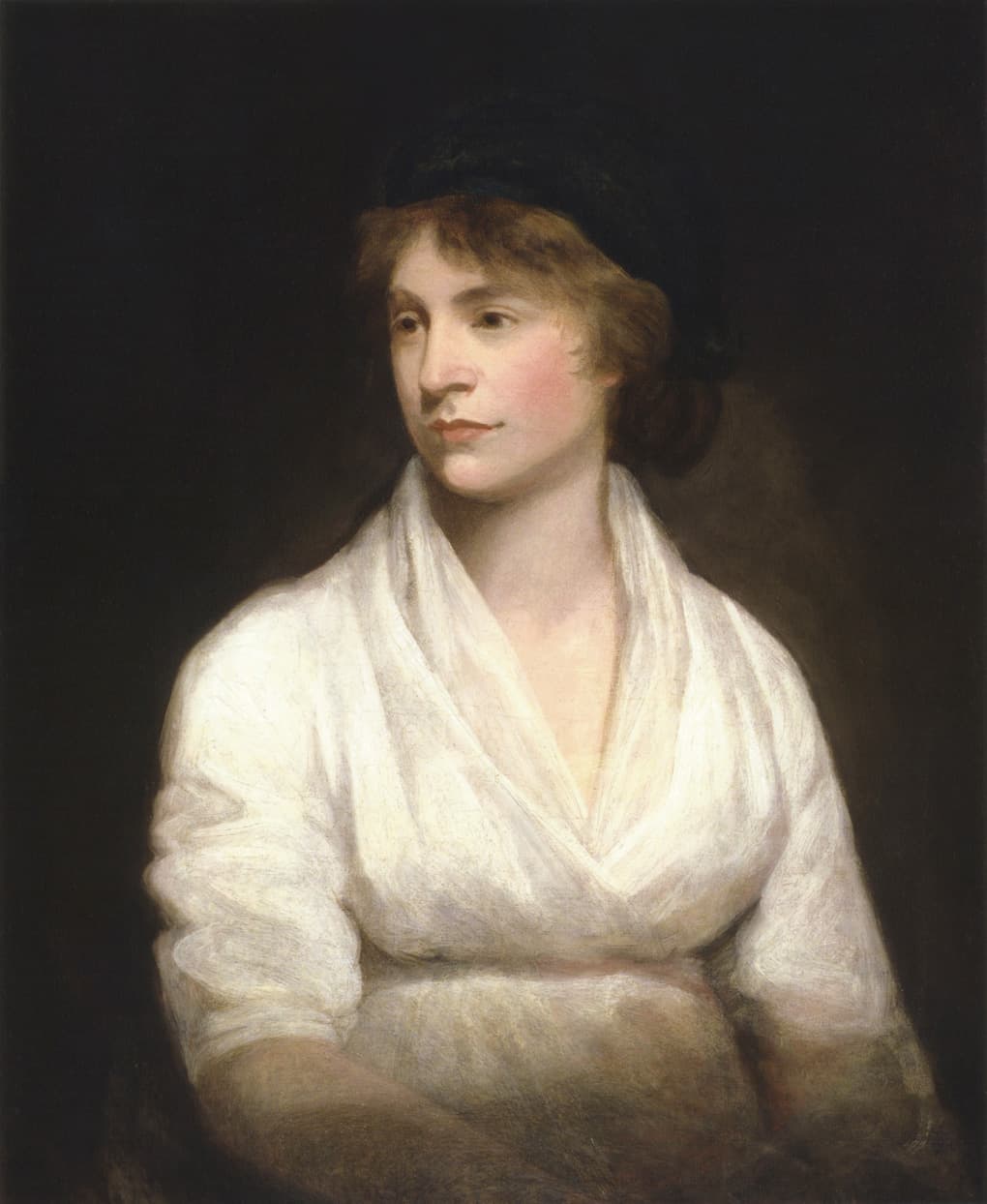
A Vindication of the Rights of Woman
Mary Wollstonecraft
Wollstonecraft skewers the same masculine hypocrisy, but swaps redondillas and paradox for the sustained logic of Enlightenment argument.
£1.99
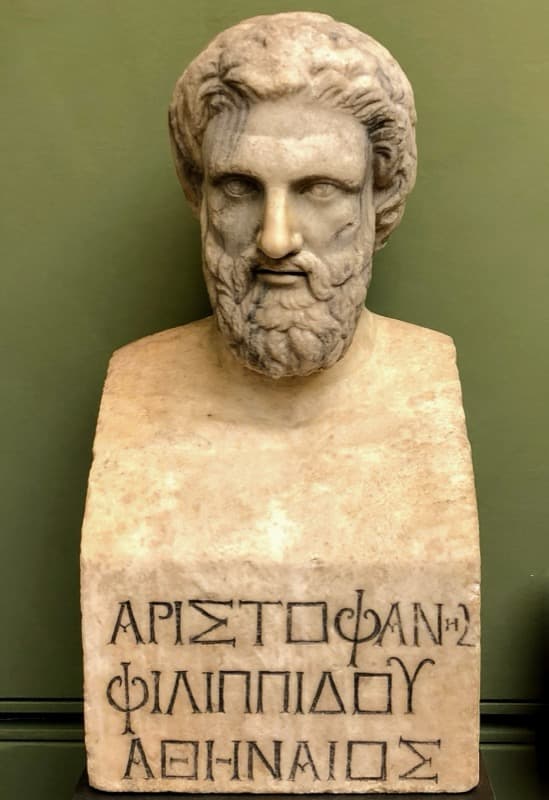
Lysistrata
Aristophanes
Aristophanes stages the same double standard for laughs, but sends the women on a very literal strike instead of a rhetorical one.
£1.99
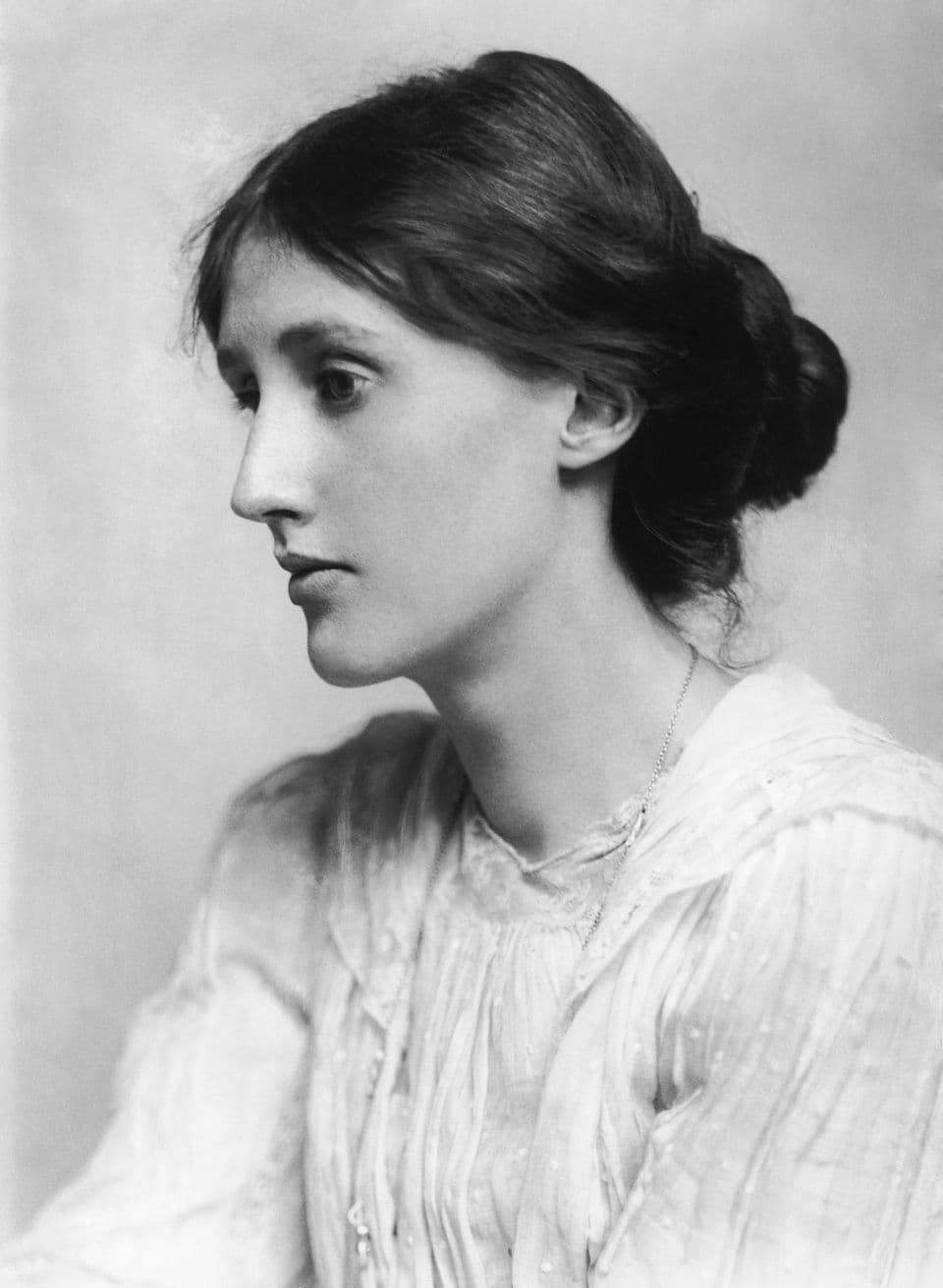
A Room of One's Own
Virginia Woolf
Woolf makes the same case against men's double standards, but trades sharp verse for a patient essay about what women actually need.
£1.99
About the book
Foolish men who accuse women without cause, she begins, and then, stanza by tightening stanza, she springs the trap: you court a woman and then despise her for yielding, you fog the mirror yourself and complain the glass is not clear, like a child who conjures a bogeyman and then lies awake in terror of it. Sor Juana Inés de la Cruz wrote these redondillas from inside a convent in colonial Mexico, a self-taught nun the churchmen would spend years trying to silence. The famous question at its heart still has no honest answer: who sins more gravely, she who takes the payment or he who pays to make her sin? Nothing in the double standard has been bettered since, and no one has ever taken it apart more coolly, in rhyme so neat each stanza snaps shut like a verdict. Read it and feel the centuries fold into one contemptuous, perfectly reasoned shrug.