
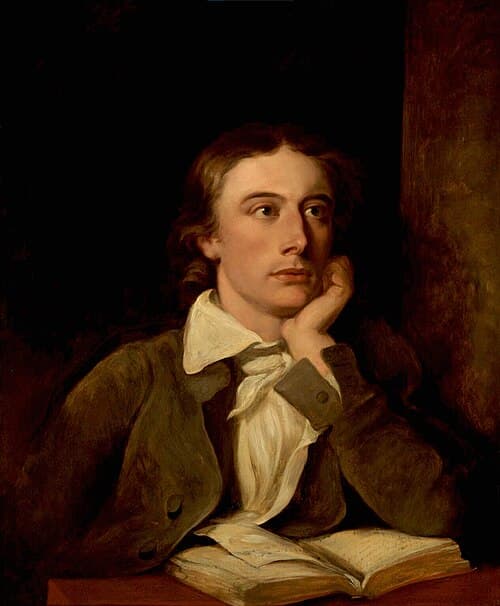
In the Library
Hyperion: A Fragment
John Keats, 1820
- Form
- Form Poem
- Difficulty
- Difficulty Moderate
- Reading time
- Reading time 30 minutes
- Chapters
- Chapters 3
- Length
- Length 7k words
£1.99
Read in the app, yours for good. Not yet by post.
The book unlocks on your account as soon as you buy it, so the 14-day right to cancel ends once it is unlocked.
Deep in the shady sadness of a vale / Far sunken from the healthy breath of morn,
What buying means
- Yours for good, on every iPhone you sign in to.
- Read in the app’s own reader, with the original beside the translation where there is one.
- Downloaded, so it reads with no signal.
- The same price as in the app. Folio already opens every book on this shelf; buying keeps this one after Folio ends. A refund takes it back.
If you like this, try
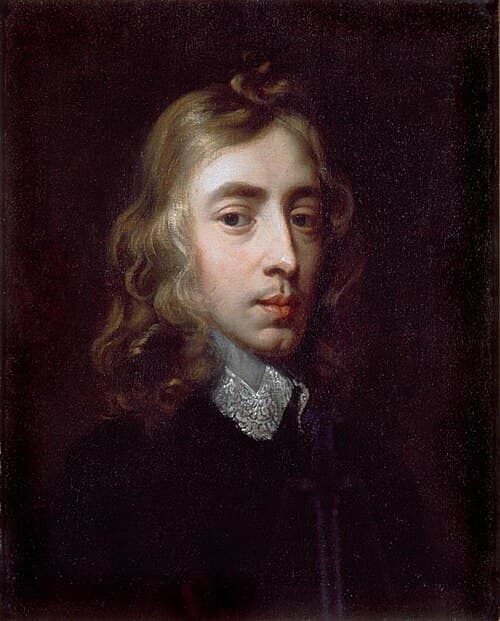
Paradise Lost
John Milton
Milton's fallen angels hold the same dark council after their defeat, and Keats's Titans are their direct descendants, down to the rolling blank verse.
£1.99
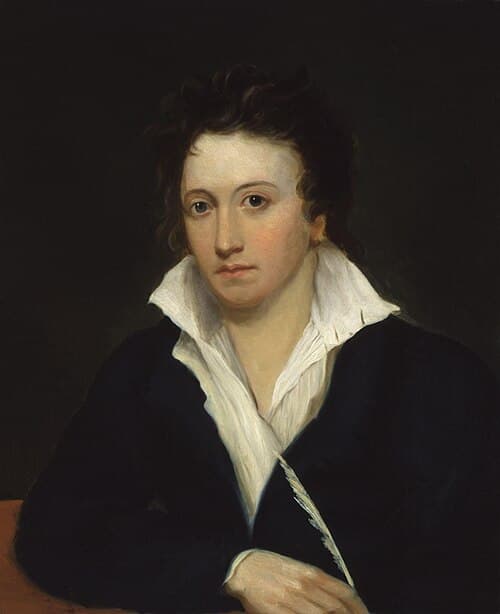
Prometheus Unbound
Percy Bysshe Shelley
Shelley takes up the same war between Titans and gods in the same year, but hands his Titan a very different fate.
£1.99
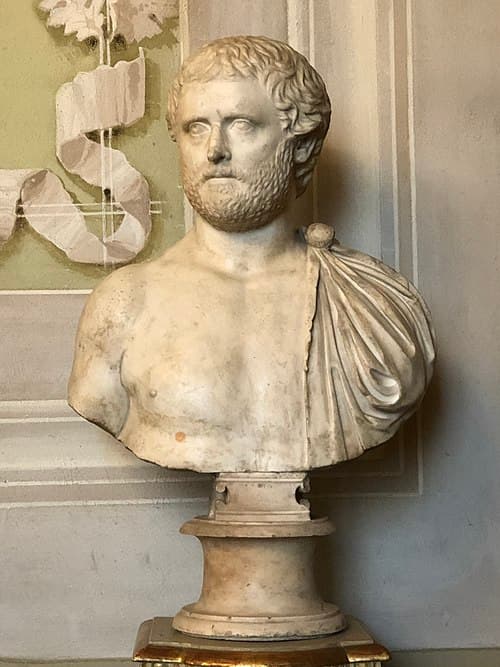
Metamorphoses
Ovid
Ovid opens on the making of the world and the golden age under Saturn, the same mythic deep time in which Keats sets his fallen Titan grieving.
£1.99
About the book
"Deep in the shady sadness of a vale," the poem begins, and there sits Saturn, the dethroned king of heaven, grey-haired and quiet as a stone, so still that a dead leaf falls beside him and does not stir again. Keats set out to write an epic of the Titans overthrown by the young Olympians, and made instead a war poem with no battle in it: vast grieving gods crouched in a lightless den, arguing over what they have lost, while Hyperion, the sun, the one Titan not yet fallen, paces his blazing palace sick with omens. The verse moves with Miltonic weight, long sentences rolling in like weather. In the third book, the young Apollo stands before Mnemosyne and feels the whole of history pour into him, crying that "Knowledge enormous makes a God of me," as if godhood were a kind of agony. Mid-line, Keats stopped. What he left turns on the terrible, generous law that "first in beauty should be first in might," and asks the old giants, magnificent in their ruin, to bow to something lovelier.