
In the Library
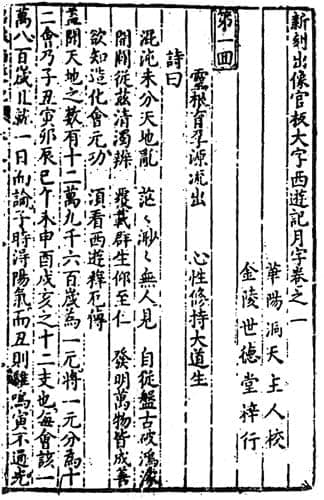
Journey to the West
Wu Cheng'en, 1592
- Form
- Form Novel
- Difficulty
- Difficulty Moderate
- Reading time
- Reading time 6.5 hours
- Translated by
- Translated by Timothy Richard (1913)
- Chapters
- Chapters 100
- Length
- Length 87k words
£1.99
Read in the app, yours for good. Not yet by post.
The book unlocks on your account as soon as you buy it, so the 14-day right to cancel ends once it is unlocked.
Although not grown on a tree, I grew from a stone.
What buying means
- Yours for good, on every iPhone you sign in to.
- Read in the app’s own reader, with the original beside the translation where there is one.
- Downloaded, so it reads with no signal.
- The same price as in the app. Folio already opens every book on this shelf; buying keeps this one after Folio ends. A refund takes it back.
If you like this, try
Dream of the Red Chamber
Cao Xueqin
Dream of the Red Chamber comes from the same Chinese classical tradition, but trades monsters and magic for one great family watching its fortunes quietly collapse.
£1.99
Gargantua and Pantagruel
François Rabelais
Gargantua and Pantagruel does the same thing, piling a hero's grotesque and hilarious misadventures episode after episode, but through Rabelais's bawdy Renaissance France.
£1.99
One Thousand and One Nights
Anonymous
One Thousand and One Nights does the same thing, spinning story after story of magic, wit, and peril across a long journey, but through a Persian storyteller's frame.
£1.99


About the book
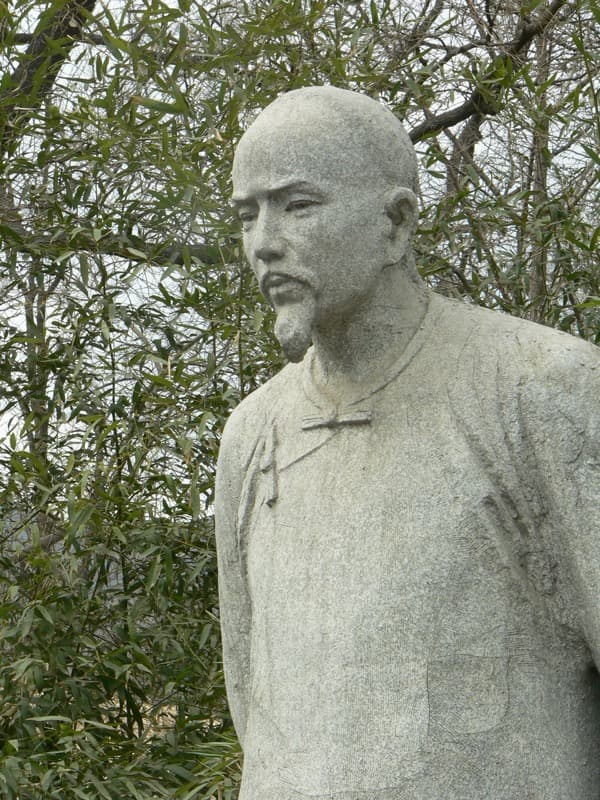
A monkey born from a stone hurls himself at heaven, eats the peaches of immortality, drinks the wine of the gods, and is finally pinned beneath a mountain by the Buddha until a monk comes to free him. Wu Cheng'en is the traditional author of this hundred-chapter novel, completed in 1592 during the late Ming and based on the seventh-century pilgrimage of the monk Xuanzang to India in search of Buddhist scriptures. The Tang monk, renamed Tripitaka, travels with three disciples: Sun Wukong the trickster monkey, Zhu Bajie the gluttonous pig, and Sha Wujing the river demon, crossing eighty-one trials of demons, kings, and shape-shifting kingdoms. The book holds Daoist alchemy, Confucian piety, and Buddhist parable inside its picaresque frame. Chinese fiction has been writing in its shadow ever since.