
In the Library
Kobzar
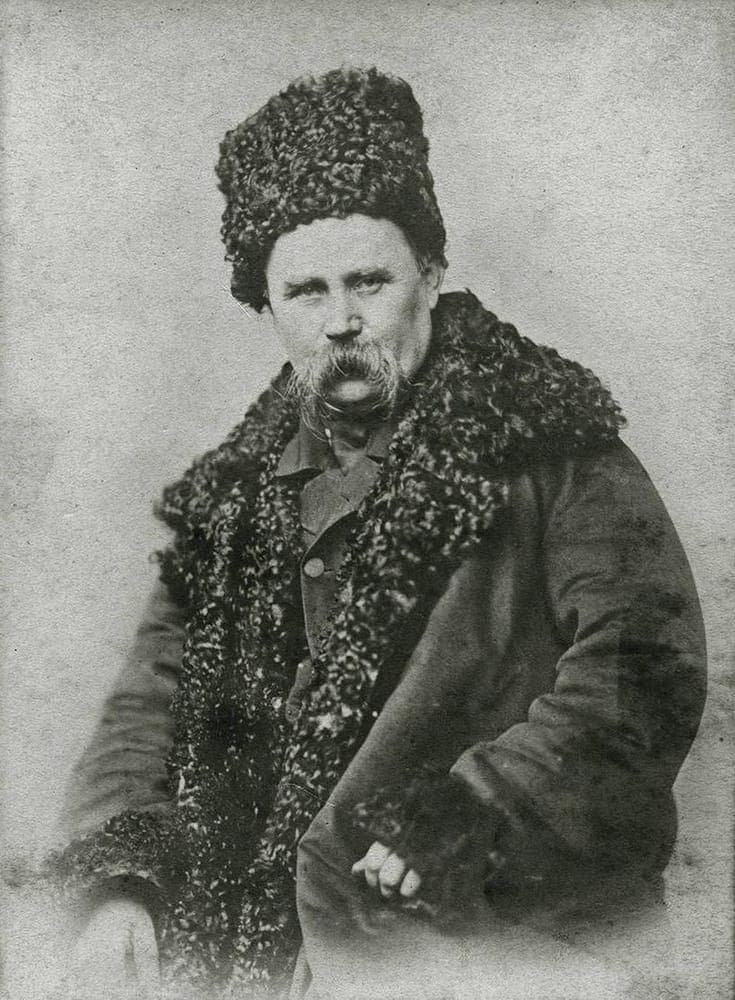
Taras Shevchenko, 1840
- Form
- Form Collection
- Difficulty
- Difficulty Accessible
- Reading time
- Reading time 5 minutes
- Translated by
- Translated by E. L. Voynich (1911, partial)
- Chapters
- Chapters 6
- Length
- Length 1k words
£1.99
Read in the app, yours for good. Not yet by post.
The book unlocks on your account as soon as you buy it, so the 14-day right to cancel ends once it is unlocked.
In the public domain in the United States only: this edition is sold and read there and nowhere else.
When I am dead, then bury me In my beloved Ukraine, My tomb upon a grave mound high Amid the spreading plain,
What buying means
- Yours for good, on every iPhone you sign in to.
- Read in the app’s own reader, with the original beside the translation where there is one.
- Downloaded, so it reads with no signal.
- The same price as in the app. Folio already opens every book on this shelf; buying keeps this one after Folio ends. A refund takes it back.
If you like this, try
Martín Fierro
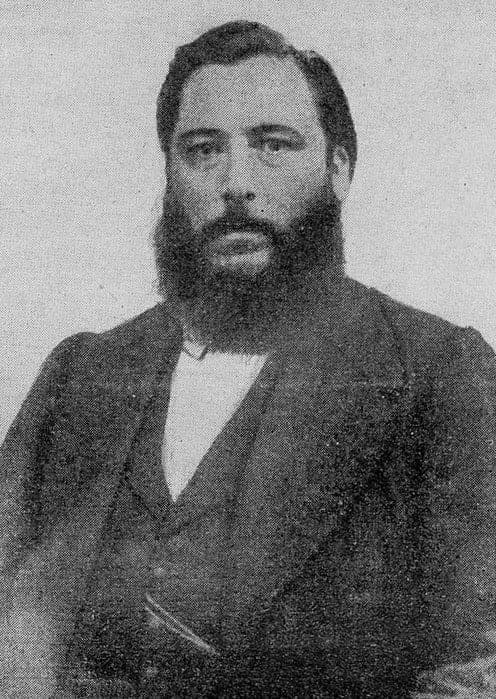
José Hernández
Hernández gave Argentina its national poem in the voice of a wronged gaucho singing his grievances, as Shevchenko gave Ukraine its own in the voice of the kobzar.
£1.99
Song of Myself
Walt Whitman
Whitman does the same thing, dissolving one poet into a whole people, but where he swells with a young nation's promise, Shevchenko sings from its wound.
£1.99

About the book
Lay me in a high grave on the steppe, the poet asks, where my eyes can still watch the fields and my ears still hear the Dnieper roar. What begins as a dying man's wish for burial becomes, in twenty-four lines, the testament of a whole people. Shevchenko wrote Zapovit at thirty-one, gravely ill and half-convinced he was writing his own last words, and the poem turns from the tenderness of one grave to a command that still frightens tyrants: rise up, break your chains, water your freedom with the blood of the men who took it. Then it softens again, unbearably, into a single request. In the great new family of the free, remember me with a kind and quiet word. No poem is more beloved in Ukraine, second only to the anthem, set to music more than sixty times. To read it is to hear a country asking not to be forgotten.