
In the Library
Lamia
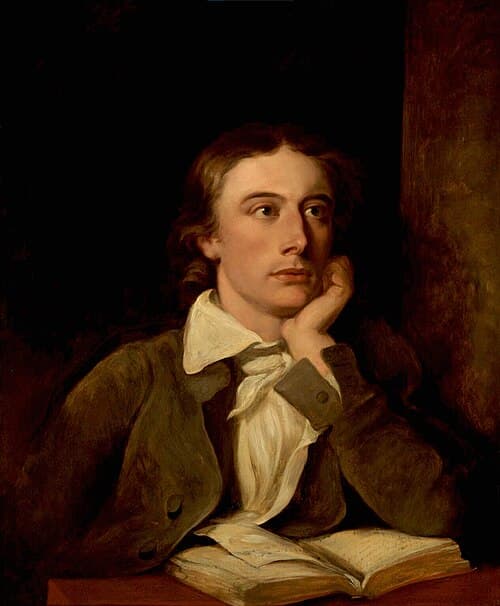
John Keats, 1820
- Form
- Form Poem
- Difficulty
- Difficulty Moderate
- Reading time
- Reading time 25 minutes
- Chapters
- Chapters 2
- Length
- Length 6k words
£1.99
Read in the app, yours for good. Not yet by post.
The book unlocks on your account as soon as you buy it, so the 14-day right to cancel ends once it is unlocked.
Do not all charms fly / At the mere touch of cold philosophy?
What buying means
- Yours for good, on every iPhone you sign in to.
- Read in the app’s own reader, with the original beside the translation where there is one.
- Downloaded, so it reads with no signal.
- The same price as in the app. Folio already opens every book on this shelf; buying keeps this one after Folio ends. A refund takes it back.
If you like this, try
Kubla Khan
Samuel Taylor Coleridge
Coleridge's vision breaks off unfinished, a pleasure-dome conjured out of air that glitters as briefly as the enchanted palace Lamia raises for Lycius.
£1.99
Dracula
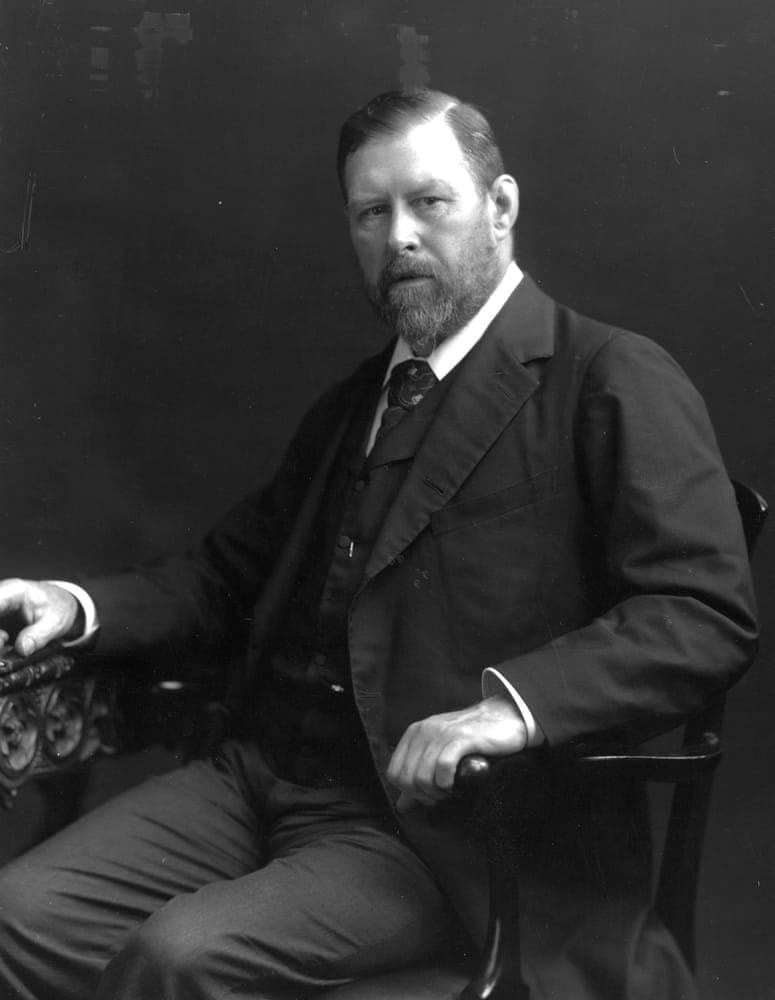
Bram Stoker
Stoker's Lucy and the three sisters in the castle are Lamia's descendants, lovely women whose sweetness hides something hungry.
£1.99
The Eve of St. Agnes
John Keats
Keats's other great tale of 1819 gives young lovers a hidden night of splendour too, told in the warm colours of stained glass rather than the glitter of a serpent's skin.
£1.99

About the book
"Vermilion-spotted, golden, green, and blue": so Keats paints the serpent coiled in a Cretan wood, a creature of such dazzling colour she seems half rainbow, pleading in a woman's voice to be given a woman's body again. Hermes grants it, and the change is agony, her colours burning away until only a lovely girl remains, hurrying toward Corinth and the young Lycius she has already chosen. What follows is a love affair in a hidden palace of impossible splendour, told in couplets that glitter and snap, Keats taking Dryden's music and making it feverish. Then Lycius insists on a public wedding, and among the guests sits his old tutor Apollonius, the philosopher, who was never invited and will not stop looking at the bride. Here Keats sets his own great fear at the feast: that cold philosophy can unweave a rainbow, and that a beauty unable to survive being understood may be no less true for that. The music plays on, and the sage keeps his eyes fixed on her face.