
In the Library
Main Street
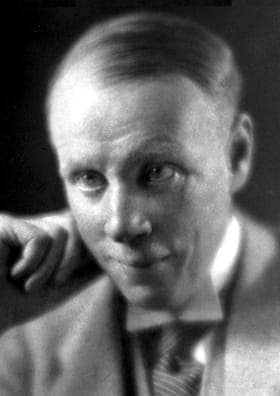
Sinclair Lewis, 1920
- Form
- Form Novel
- Difficulty
- Difficulty Moderate
- Reading time
- Reading time 12 hours
- Chapters
- Chapters 39
- Length
- Length 166k words
£1.99
Read in the app, yours for good. Not yet by post.
The book unlocks on your account as soon as you buy it, so the 14-day right to cancel ends once it is unlocked.
A girl on a hilltop; credulous, plastic, young; drinking the air as she longed to drink life. The eternal aching comedy of expectant youth.
What buying means
- Yours for good, on every iPhone you sign in to.
- Read in the app’s own reader, with the original beside the translation where there is one.
- Downloaded, so it reads with no signal.
- The same price as in the app. Folio already opens every book on this shelf; buying keeps this one after Folio ends. A refund takes it back.
If you like this, try
Babbitt
Sinclair Lewis
Babbitt does the same thing to a small-city businessman that Main Street does to Gopher Prairie, but his discontent never breaks into the open.
£1.99
Winesburg, Ohio
Sherwood Anderson
Winesburg, Ohio does the same thing in miniature, but trades one restless heroine for a whole town of people quietly starving for a life they never named.
£1.99
The Age of Innocence
Edith Wharton
The Age of Innocence does the same thing to old New York that Main Street does to Gopher Prairie, but its cage is gilded instead of merely dull.
£1.99


About the book
Gopher Prairie, Minnesota, a town of a few thousand, believes itself finished: lodges full, lawns mowed, nobody wanting anything new since the grain elevator went up. Sinclair Lewis opens by insisting this is not a backwater but America itself, in miniature, and four hundred pages make the case. Carol Kennicott arrives as a young bride with a library card and a restless certainty that she can talk the place into beauty. She starts a drama club, campaigns for real architecture over false-fronted stores built to look taller than they are, and is met, every time, not with anger but with a smiling, unanswerable niceness that closes over her ideas like water over a dropped stone. Her one real friend is the town's freethinking handyman, and when tragedy strikes his family, the town has no mercy left to spare him. What the novel understands, exactly enough to hurt, is that this is not tragedy but attrition: you can lose an argument you were never once allowed to finish. Carol does not win. She never quite stops wanting to.