
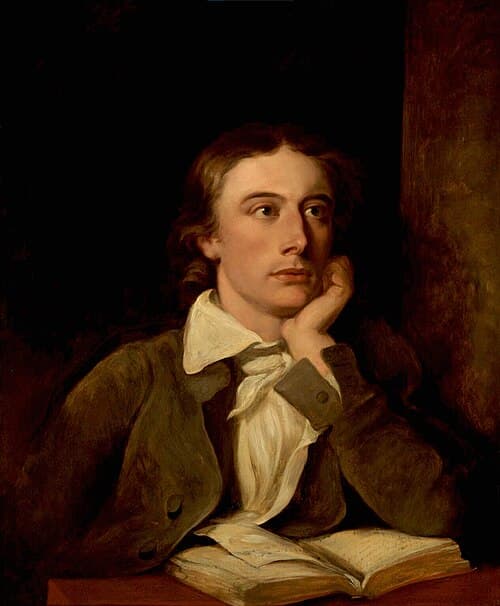
In the Library
Ode on Melancholy
John Keats, 1819
- Form
- Form Poem
- Difficulty
- Difficulty Accessible
- Reading time
- Reading time 5 minutes
- Chapters
- Chapters 1
- Length
- Length 0k words
£1.99
Read in the app, yours for good. Not yet by post.
The book unlocks on your account as soon as you buy it, so the 14-day right to cancel ends once it is unlocked.
Ay, in the very temple of Delight / Veil'd Melancholy has her sovran shrine,
What buying means
- Yours for good, on every iPhone you sign in to.
- Read in the app’s own reader, with the original beside the translation where there is one.
- Downloaded, so it reads with no signal.
- The same price as in the app. Folio already opens every book on this shelf; buying keeps this one after Folio ends. A refund takes it back.
If you like this, try
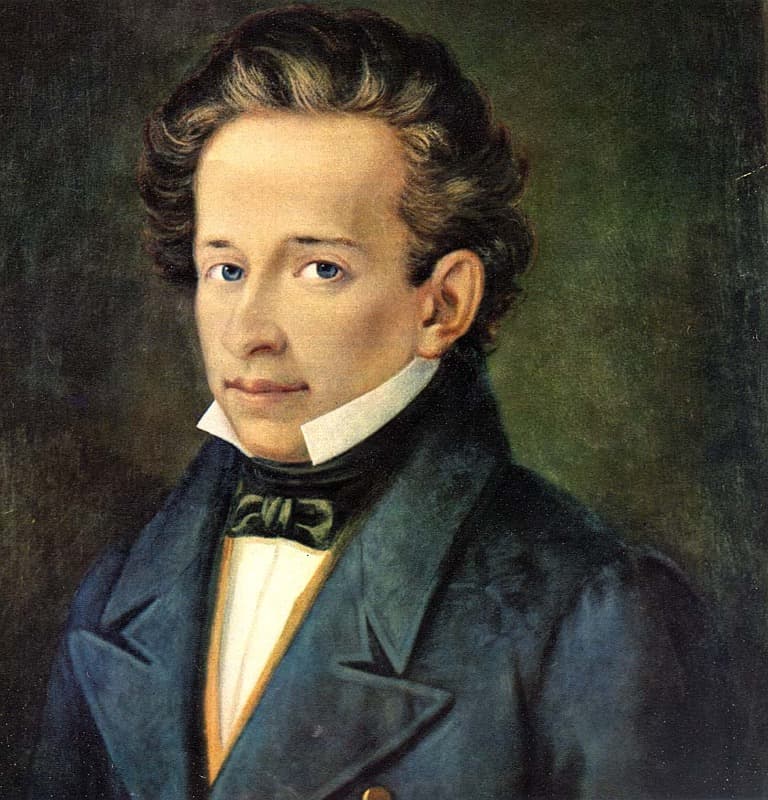
Canti
Giacomo Leopardi
Leopardi wrote L'infinito in 1819, the year of Keats's odes, and its sweet shipwreck in the infinite holds pleasure and annihilation as tightly as Melancholy's shrine in Delight's temple.
£1.99
Ode to a Nightingale
John Keats
The same spring's other great ode on sorrow, where the poet does feel the hemlock this poem tells us to refuse.
£1.99
To Autumn
John Keats
Keats's last ode takes the lesson of this one and lives it, finding a season's beauty in the very fact that it is passing.
£1.99
About the book
"No, no, go not to Lethe": the poem opens by catching a sleeve, stopping a sufferer on the way to the poison cupboard. Wolf's-bane, nightshade, the ruby grape of Proserpine, the death-moth: Keats lays out the whole apothecary of oblivion only to knock it from the reader's hand. Numbness, he insists, wastes a good grief. When the melancholy fit falls, feed it instead on a morning rose, on the rainbow of the salt sand-wave, on the wealth of globed peonies, on the peerless eyes of someone who is angry with you. Here is the poem's astonishing, almost greedy wisdom: sadness is not the opposite of delight but lives in its very temple, and only the one who can burst Joy's grape against the palate will ever taste her might. In three stanzas Keats says what a whole life is usually spent half-learning, that the beauty worth having is the beauty that must die, and that Joy stands forever with his hand at his lips, bidding adieu. The close hangs the soul among her cloudy trophies, conquered, and glad of it.