
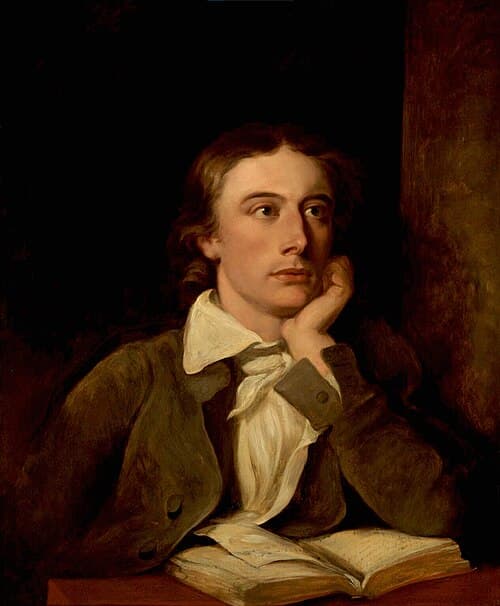
In the Library
To Autumn
John Keats, 1820
- Form
- Form Poem
- Difficulty
- Difficulty Accessible
- Reading time
- Reading time 5 minutes
- Chapters
- Chapters 1
- Length
- Length 0k words
£1.99
Read in the app, yours for good. Not yet by post.
The book unlocks on your account as soon as you buy it, so the 14-day right to cancel ends once it is unlocked.
Season of mists and mellow fruitfulness, close bosom-friend of the maturing sun.
What buying means
- Yours for good, on every iPhone you sign in to.
- Read in the app’s own reader, with the original beside the translation where there is one.
- Downloaded, so it reads with no signal.
- The same price as in the app. Folio already opens every book on this shelf; buying keeps this one after Folio ends. A refund takes it back.
If you like this, try
Ode to a Nightingale
John Keats
Keats's other perfect ode, but this one aches where Autumn accepts.
£1.99
I Wandered Lonely as a Cloud
William Wordsworth
Wordsworth writes the same encounter with natural beauty, but the memory sustains where Keats lets the season pass.
£1.99
The Prelude
William Wordsworth
Wordsworth builds the same attention to the natural world into an epic of consciousness.
£1.99
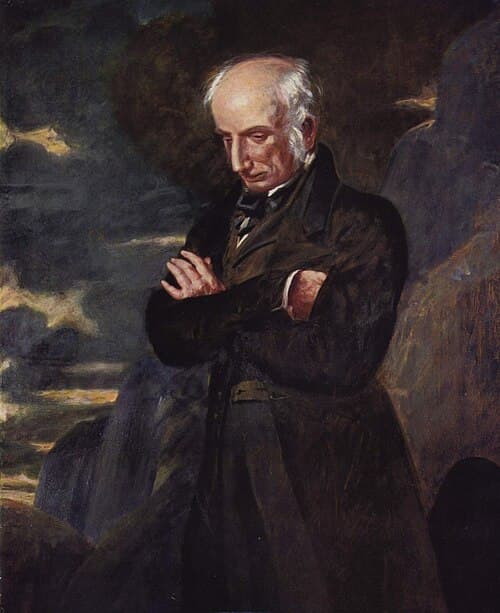
About the book
Where are the songs of Spring? Keats poses the question near the end and then, almost tenderly, tells himself not to go looking. To Autumn came in September 1819, after he walked the harvested fields outside Winchester, ground he wrote he had never liked so well as that month. It is the last of his great odes and the only one that does not strain to be elsewhere: the Nightingale longs to dissolve into the dark and the Grecian Urn climbs off into cold philosophy, but autumn keeps both feet in the stubble. The first stanza loads the vines until they bend, the second lays the season down asleep on a half-reaped furrow, and the third gathers the choir that is left, the small gnats mourning in the willows, the full-grown lambs bleating from the hills, the swallows massing for a sky they are about to leave. He was twenty-three and had seventeen months to live, and still he does not flinch. The poem simply notices that ripeness and ending are one weather, and chooses to stay out in it.