

In the Library
On Seeing the Elgin Marbles
John Keats, 1817
- Form
- Form Poem
- Difficulty
- Difficulty Accessible
- Reading time
- Reading time 5 minutes
- Chapters
- Chapters 1
- Length
- Length 0k words
£1.99
Read in the app, yours for good. Not yet by post.
The book unlocks on your account as soon as you buy it, so the 14-day right to cancel ends once it is unlocked.
My spirit is too weak—mortality / Weighs heavily on me like unwilling sleep,
What buying means
- Yours for good, on every iPhone you sign in to.
- Read in the app’s own reader, with the original beside the translation where there is one.
- Downloaded, so it reads with no signal.
- The same price as in the app. Folio already opens every book on this shelf; buying keeps this one after Folio ends. A refund takes it back.
If you like this, try
Ozymandias
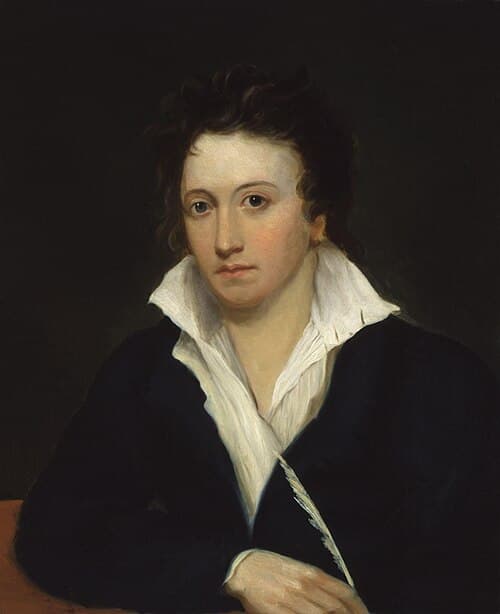
Percy Bysshe Shelley
Shelley's sonnet looks at a broken ancient statue too, but finds a warning in it where Keats finds a dizzy, humbling awe.
Free in the app
Ode on a Grecian Urn
John Keats
Two years later Keats stood before Greek art again and wrote his most famous ode, with the vertigo turned into an argument.
£1.99
Sailing to Byzantium
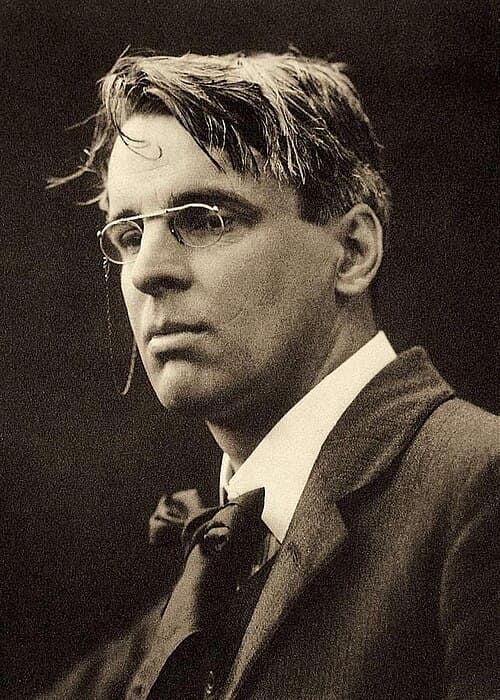
W.B. Yeats
Yeats stands before ancient art too, the gold mosaics of Byzantium, and longs to trade his dying body for the artifice of eternity that so humbled Keats.
£1.99
About the book
"My spirit is too weak," the poem begins, and it means every word. In a room of the British Museum stand the sculptures Lord Elgin carried off the Parthenon, horsemen and gods and torsos broken at the neck, and the young Keats has come with his friend the painter Benjamin Haydon to look at them. What he finds there is vertigo. Mortality weighs on him "like unwilling sleep," and the stone makes him feel like "a sick Eagle looking at the sky," a creature built for height and unable to rise to it. Here is a sonnet about art that confesses what great art can do to a person: crush them, make them feel small and doomed, and still hold their eyes. Fourteen lines carry the whole dizzy pain of standing before something more than two thousand years old, scarred by the rude wasting of old Time, and knowing he will not last a fraction as long. It closes without consolation, on the marbles themselves, which open out into a billowing sea, a sun, and "a shadow of a magnitude."