
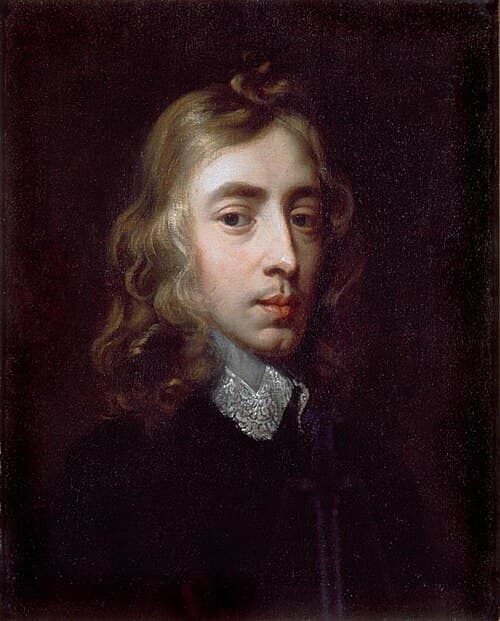
In the Library
Paradise Lost
John Milton, 1667
- Form
- Form Poem
- Difficulty
- Difficulty Demanding
- Reading time
- Reading time 6 hours
- Chapters
- Chapters 12
- Length
- Length 80k words
£1.99
Read in the app, yours for good. Not yet by post.
The book unlocks on your account as soon as you buy it, so the 14-day right to cancel ends once it is unlocked.
Better to reign in Hell than serve in Heaven.
What buying means
- Yours for good, on every iPhone you sign in to.
- Read in the app’s own reader, with the original beside the translation where there is one.
- Downloaded, so it reads with no signal.
- The same price as in the app. Folio already opens every book on this shelf; buying keeps this one after Folio ends. A refund takes it back.
The reading guide, in the app
How to Read Paradise Lost
The thing that scares people off is the sentences and never the story, and once you learn the one trick for reading a Miltonic sentence the whole poem opens like a door.
The reputation says that Paradise Lost is the most forbidding poem in the language, a wall of theology and dead languages that you have no business attempting without a classical education and several scholars on call. That reputation has the difficulty in the wrong place. The story underneath is one you already half know, the war in Heaven and the fall of the angels and the first temptation in the garden, and it moves with real drama and real stakes; the only thing that actually stands between you and it is the shape of Milton’s sentences, which is a problem you can learn to solve in an afternoon rather than a degree.
If you like this, try
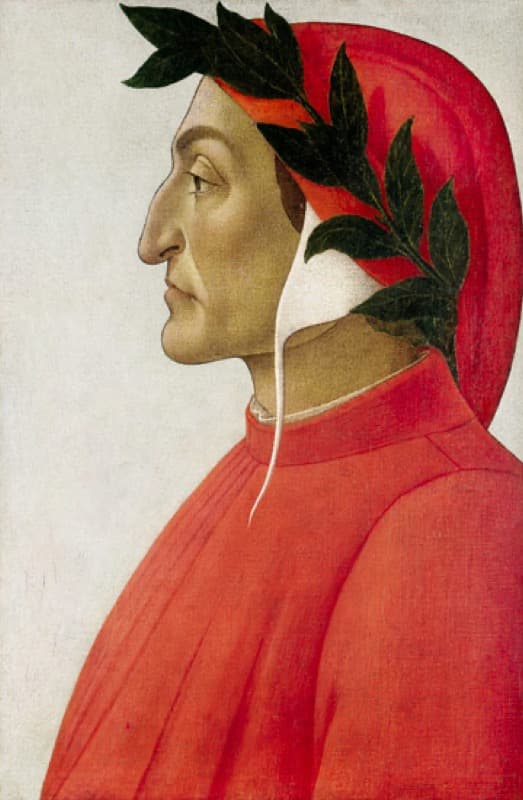
The Divine Comedy
Dante Alighieri
Dante mapped the territory Milton would inhabit, but chose a pilgrim where Milton chose a rebel.
£1.99
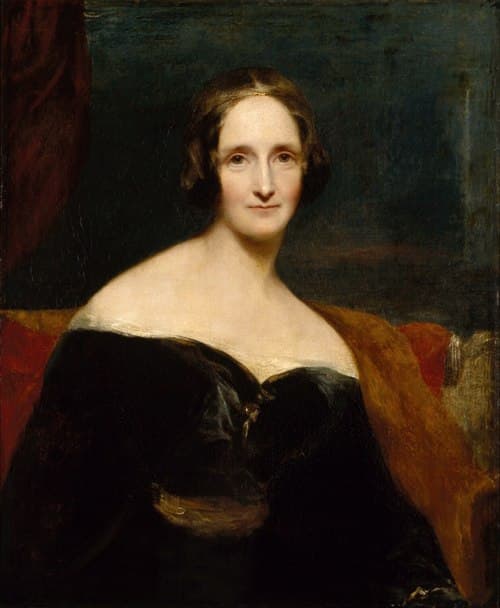
Frankenstein
Mary Shelley
Shelley read Milton closely, and her creature quotes Satan because he means it.
£1.99
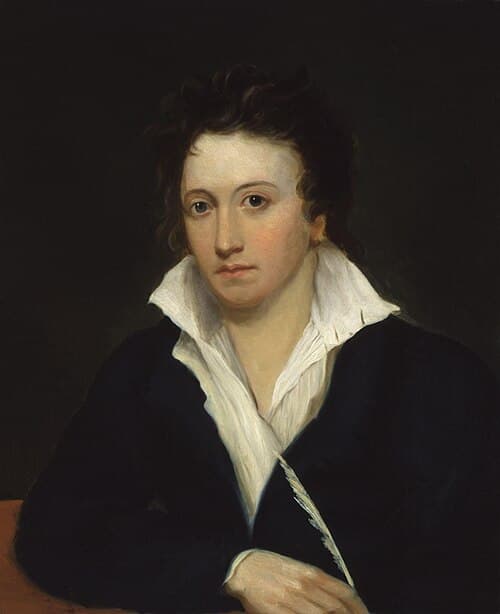
Prometheus Unbound
Percy Bysshe Shelley
Shelley recasts Milton's rebel as a liberator and refuses to let tyranny win.
£1.99
About the book
Hurled flaming out of Heaven, Satan lifts his head from a lake of fire and, surveying the ruin of everything he was, decides he would rather rule this pit than kneel in paradise. Milton gives the Devil the grandest voice in the language, and the terrible thrill of the poem is how much you feel his defiance before you learn to distrust it. From that burning floor the poem opens outward to hold the whole cosmos at once: the war in Heaven, the void of Chaos, the making of the world, and two naked people in a garden who have been told not to eat one thing. It is written in blank verse that rolls like an organ, clause piling on clause until a single sentence carries the weight of a falling empire. Milton set out to justify the ways of God to men, and wrote instead the most magnificent account of loss we have: the morning two people walk out of Eden, hand in hand, into the world that is ours.