
In the Library
Sonnets from the Portuguese
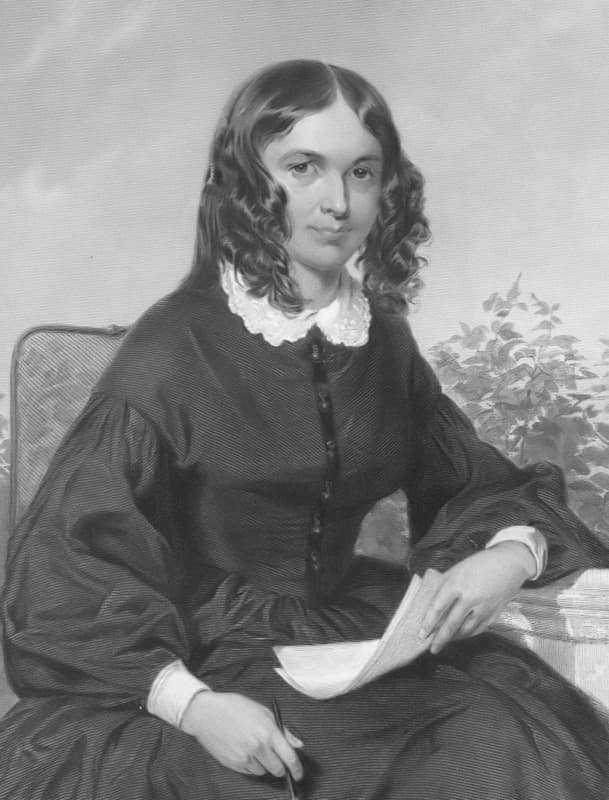
Elizabeth Barrett Browning, 1850
- Form
- Form Collection
- Difficulty
- Difficulty Accessible
- Reading time
- Reading time 20 minutes
- Chapters
- Chapters 44
- Length
- Length 5k words
£1.99
Read in the app, yours for good. Not yet by post.
The book unlocks on your account as soon as you buy it, so the 14-day right to cancel ends once it is unlocked.
How do I love thee? Let me count the ways.
What buying means
- Yours for good, on every iPhone you sign in to.
- Read in the app’s own reader, with the original beside the translation where there is one.
- Downloaded, so it reads with no signal.
- The same price as in the app. Folio already opens every book on this shelf; buying keeps this one after Folio ends. A refund takes it back.
If you like this, try
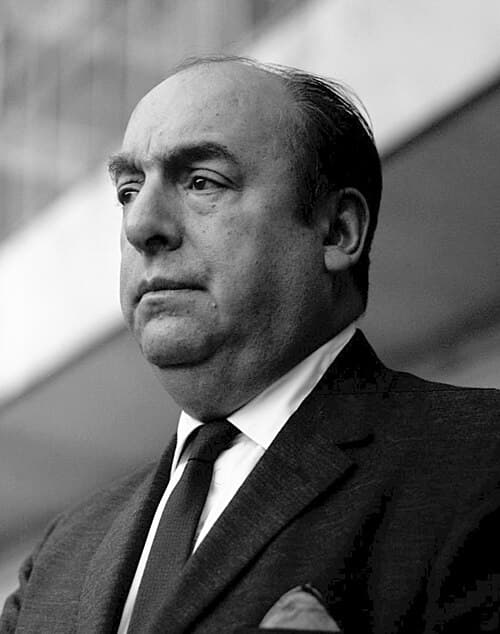
Twenty Love Poems and a Song of Despair
Pablo Neruda
Neruda writes the same fierce devotion a century later, but in Chilean heat where Browning writes in English rain.
£1.99
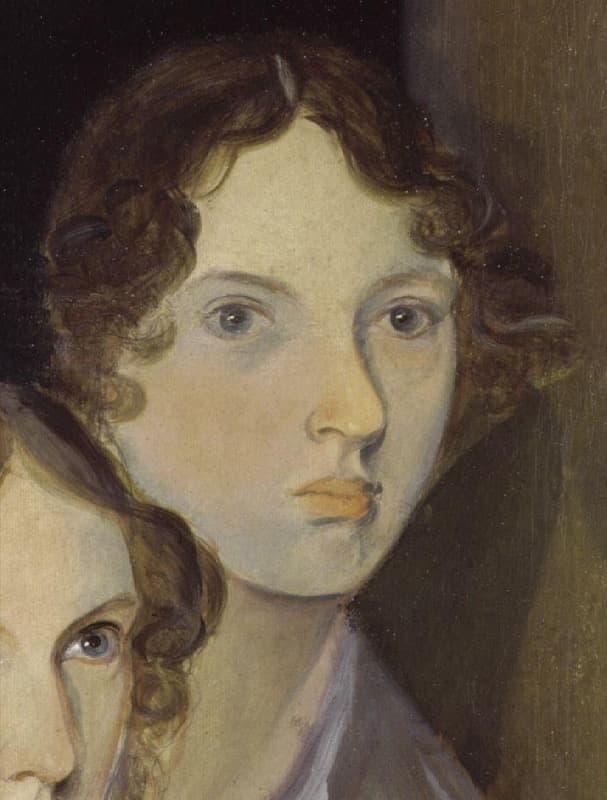
Wuthering Heights
Emily Brontë
Emily Brontë's love burns with the same intensity Elizabeth Barrett channels, but the moors are wilder than the sonnets.
£1.99
The Sonnets
William Shakespeare
Shakespeare's Sonnets do the same thing, working love and its costs through the sonnet's tight fourteen-line form, though addressed across gender and rank instead of within one marriage.
£1.99

About the book
Count the ways. That instruction, from the most famous love poem in English, is usually mistaken for rapture, but read the whole sequence and you find something stranger and more moving: a woman counting because she cannot quite believe the sum. Elizabeth Barrett Browning wrote these forty-four sonnets in a darkened Wimpole Street room during her courtship with Robert, an invalid who had long since folded away any expectation of being loved, and then was. She published them disguised as translations from the Portuguese, unable to claim such nakedness as her own. The sonnet had spent three centuries as a man's instrument, aimed at a silent, distant beloved; here it turns inward, and its subject is not longing but the slow, frightened work of trusting that the love will hold. Sonnet by sonnet she tests her disbelief against his constancy. By the forty-third she is not rhapsodising. She is counting, because she needs the total to come out true.