
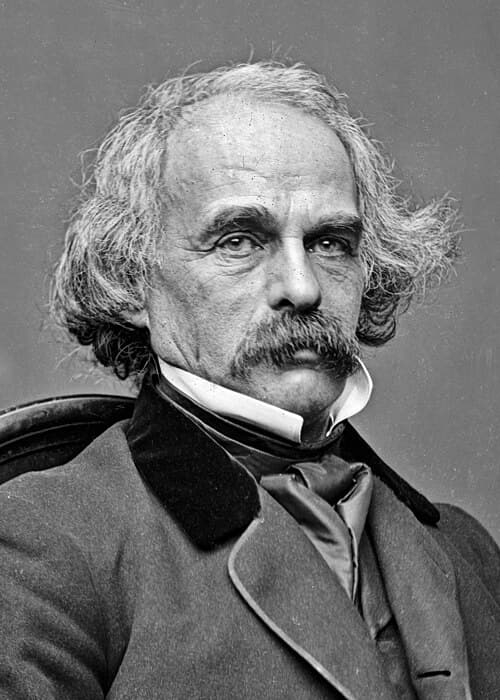
In the Library
The Blithedale Romance
Nathaniel Hawthorne, 1852
- Form
- Form Novel
- Difficulty
- Difficulty Moderate
- Reading time
- Reading time 5.5 hours
- Chapters
- Chapters 30
- Length
- Length 76k words
£1.99
Read in the app, yours for good. Not yet by post.
The book unlocks on your account as soon as you buy it, so the 14-day right to cancel ends once it is unlocked.
Tell him he has murdered me! Tell him that I'll haunt him!
What buying means
- Yours for good, on every iPhone you sign in to.
- Read in the app’s own reader, with the original beside the translation where there is one.
- Downloaded, so it reads with no signal.
- The same price as in the app. Folio already opens every book on this shelf; buying keeps this one after Folio ends. A refund takes it back.
If you like this, try
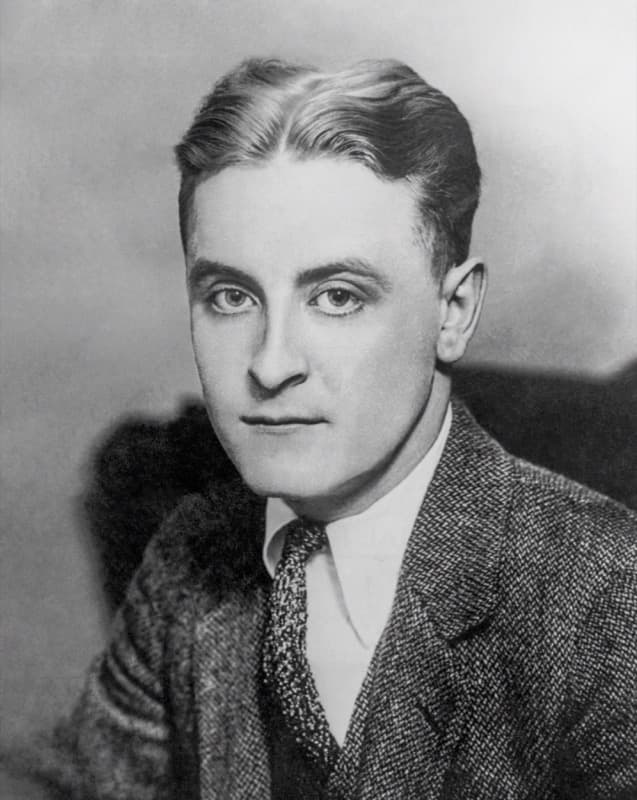
The Great Gatsby
F. Scott Fitzgerald
Fitzgerald hands the story to another watchful, half-honest narrator who loves someone he never names, and lets richer people wreck each other in front of him.
£1.99
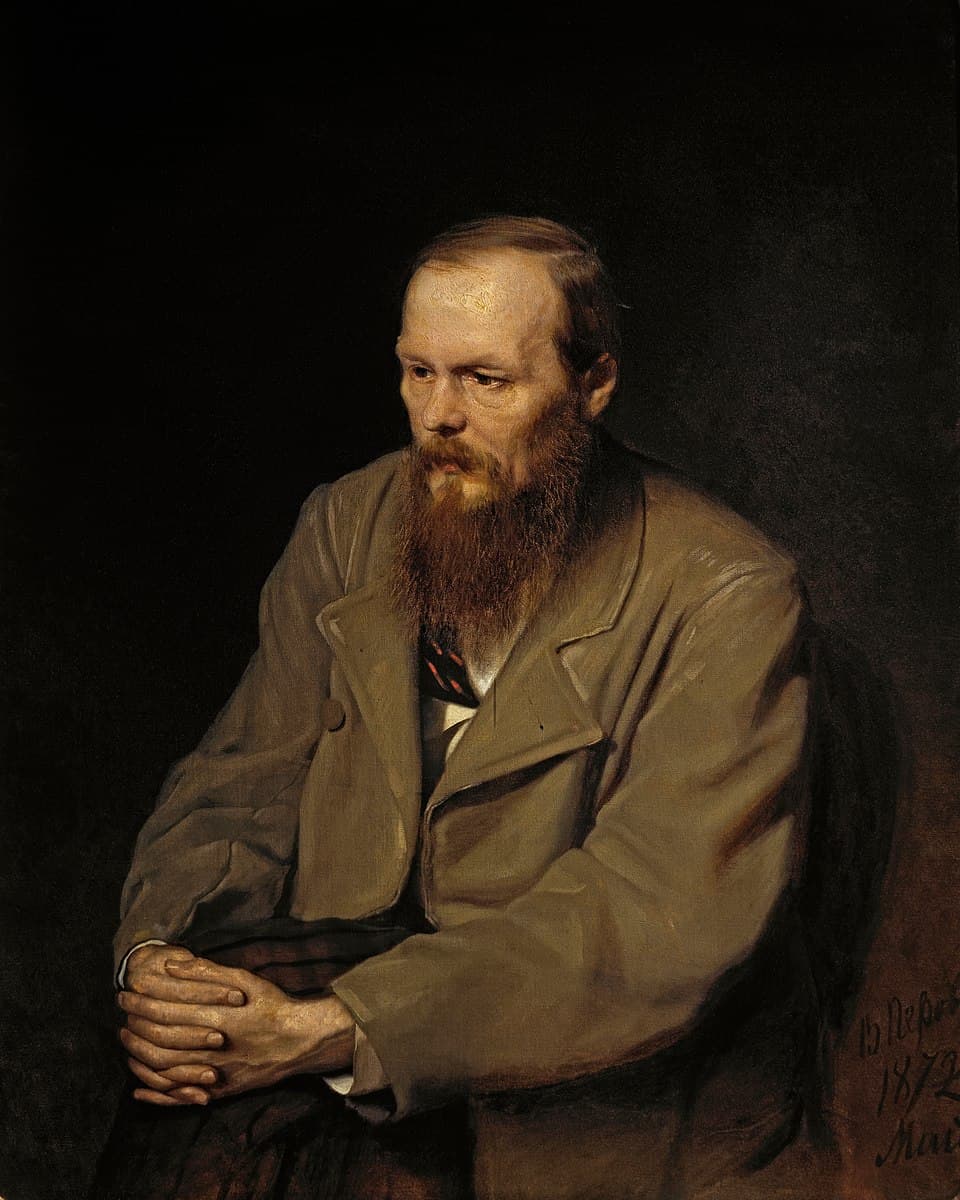
Demons
Fyodor Dostoevsky
Dostoevsky follows the same rot, an ideal taken up by people who need it for private reasons, but he lets it end in fire rather than in a wet field.
£1.99
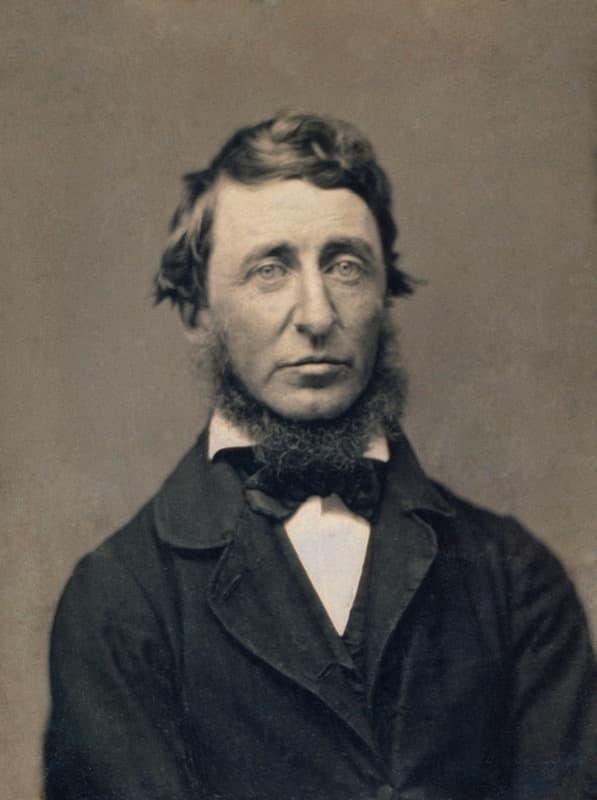
Walden
Henry David Thoreau
Thoreau ran the other Transcendentalist experiment and reported it as a success, which is exactly the argument Hawthorne is having with him.
£1.99
About the book
A dozen well-meaning Bostonians go out to a farm in an April snowstorm to abolish the old world and begin a better one, and the first thing they learn is how heavy hay is. Miles Coverdale, a minor poet, tells the story, and he is why it still stings: he builds himself a hiding place in a pine tree and watches his friends instead of loving them. What he watches is Zenobia, rich and dark and gorgeously alive, wearing a hothouse flower in her hair and far too large for any room the century will offer her; Hollingsworth, a reformer ground down to a single purpose who can no longer feel anything that purpose cannot use; and a pale, silent girl exhibited to paying audiences under a veil. Hawthorne had lived at Brook Farm. He knows exactly how private appetite gets in under the banner, and what it costs a woman whose only armour is pride. The last line is a confession the narrator has withheld all book, and it rearranges every page behind it.