
In the Library
The Consolation of Philosophy
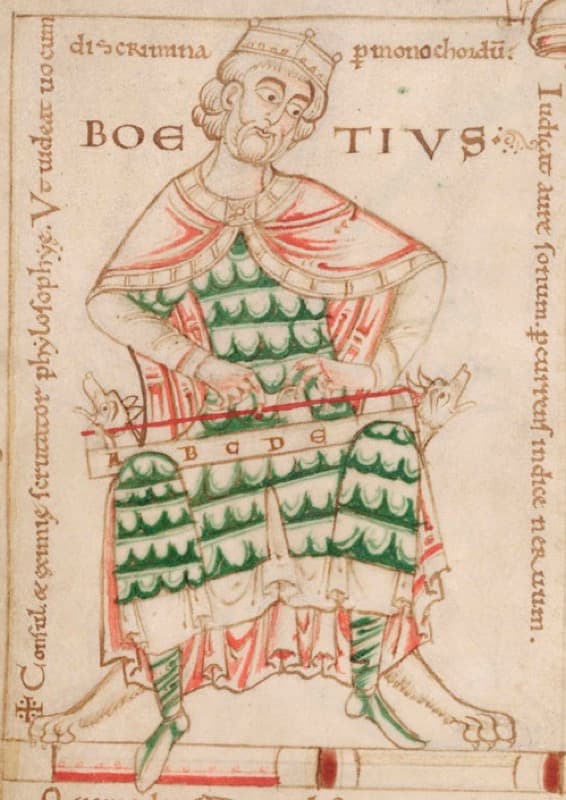
Boethius, 524 CE
- Form
- Form Philosophy
- Difficulty
- Difficulty Moderate
- Reading time
- Reading time 3 hours
- Translated by
- Translated by H.R. James (1897)
- Original
- Original la
- Chapters
- Chapters 5
- Length
- Length 39k words
£1.99
Read in the app, yours for good. Not yet by post.
The book unlocks on your account as soon as you buy it, so the 14-day right to cancel ends once it is unlocked.
nothing is wretched, but thinking makes it so
What buying means
- Yours for good, on every iPhone you sign in to.
- Read in the app’s own reader, with the original beside the translation where there is one.
- Downloaded, so it reads with no signal.
- The same price as in the app. Folio already opens every book on this shelf; buying keeps this one after Folio ends. A refund takes it back.
If you like this, try
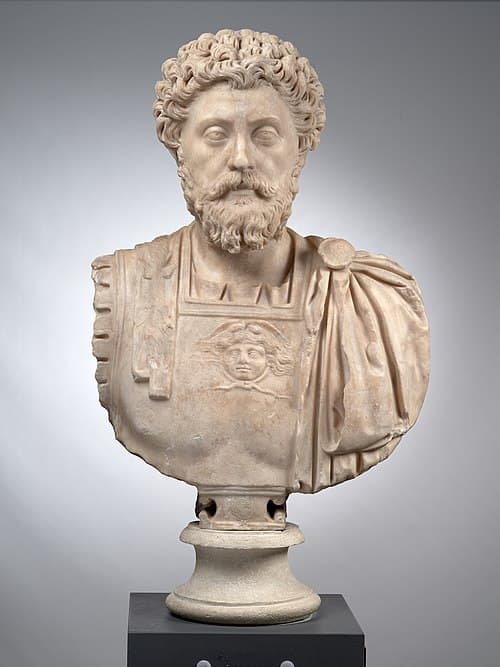
Meditations
Marcus Aurelius
Marcus Aurelius practises the same prison-cell stoicism, but the prison is the throne and the consolation is self-authored.
£1.99
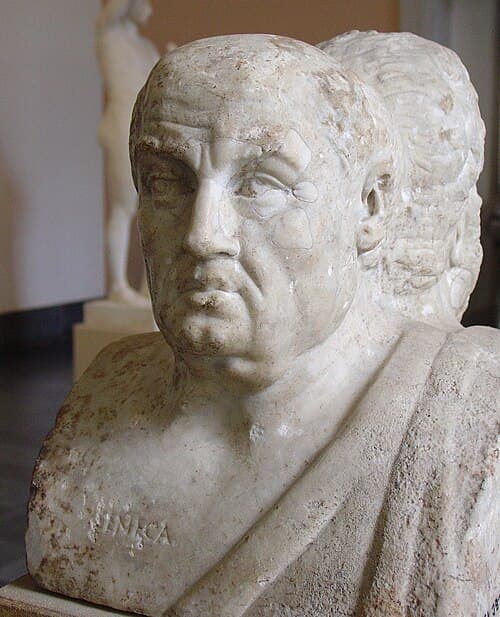
Letters to Lucilius
Seneca
Seneca offers the same Stoic medicine for the same mortal condition, but before the sentence is passed rather than after.
£1.99
About the book
In a prison cell at Pavia, a condemned man is weeping over his ruin when a woman appears at his side and tells him to stop. It is Philosophy herself, come to reason him out of his grief. Boethius had been consul, the most powerful civilian in Italy, until a charge of treason under Theodoric left him awaiting execution. What he wrote in those last months is neither plea nor prayer but a conversation, alternating prose and verse, in which Fortune's wheel turns exactly as it must, raising and dropping every life without malice, because nothing it lends was ever truly given. Wealth, office, reputation: loans, all of them, and all recalled. Only the reasoning soul holds anything that cannot be seized. For a thousand years the grieving reached for this book, Alfred and Chaucer and Elizabeth I among those who translated it, and found a man at the edge of death still insisting, gently, that the argument held.