

In the Library
The Diary of Samuel Pepys
Samuel Pepys, 1669
- Form
- Form Essay
- Difficulty
- Difficulty Moderate
- Reading time
- Reading time 84 hours
- Chapters
- Chapters 112
- Length
- Length 1161k words
£1.99
Read in the app, yours for good. Not yet by post.
The book unlocks on your account as soon as you buy it, so the 14-day right to cancel ends once it is unlocked.
And so to bed.
What buying means
- Yours for good, on every iPhone you sign in to.
- Read in the app’s own reader, with the original beside the translation where there is one.
- Downloaded, so it reads with no signal.
- The same price as in the app. Folio already opens every book on this shelf; buying keeps this one after Folio ends. A refund takes it back.
If you like this, try
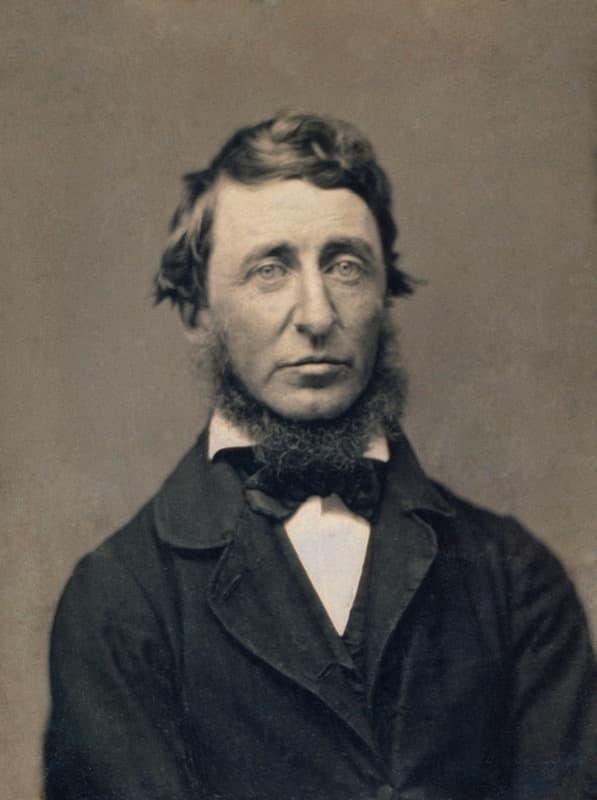
Walden
Henry David Thoreau
Thoreau keeps the same meticulous daily record, but deliberately where Pepys records compulsively; both create literature by accident.
£1.99
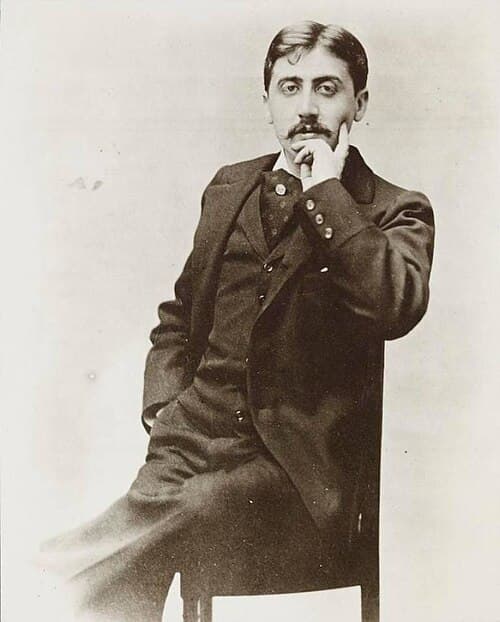
In Search of Lost Time
Marcel Proust
Proust retrieves the same granular texture of daily life (the meals, the gossip, the weather), but from memory instead of a diary.
£1.99
The Pillow Book
Sei Shōnagon
Sei Shonagon kept the same kind of private book at the Heian court, full of gossip, lists and petty grudges, with Pepys's own appetite for the small detail.
£1.99

About the book
The Great Fire is racing toward his street, and Samuel Pepys is in his garden digging a pit to bury his wine and a Parmesan cheese. That single act holds the whole genius of the diary: catastrophe and supper on the same scale, the burning of a city weighed against a cheese. For nine years he wrote Restoration London down in private shorthand he never meant a soul to read, and that secrecy is what makes him immortal: the playhouses, the scheming at the Navy Board, the guilty fumblings he hid from his wife Elizabeth, the Plague tolling its dead, all in one plain, hungry, unguarded voice. No one had ever set a life down with so little distance between the page and the man. To read him is to live inside the seventeenth century at the grain of an ordinary Thursday, never knowing which Thursday the books will keep. He stopped in 1669, fearing the writing was costing him his sight, and the most watchful man of his age fell silent rather than go blind. And so to bed.