
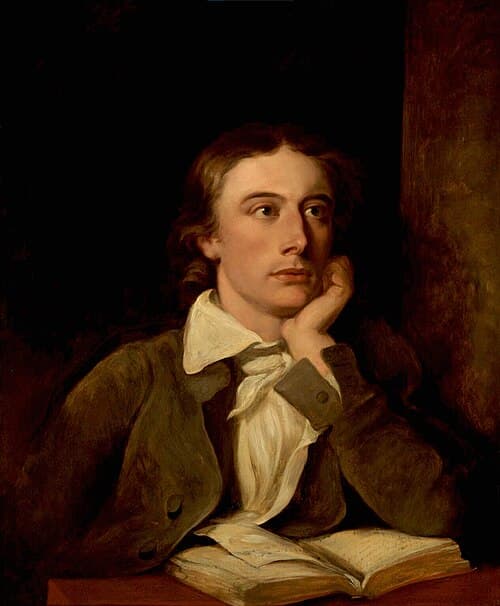
In the Library
The Eve of St. Agnes
John Keats, 1820
- Form
- Form Poem
- Difficulty
- Difficulty Moderate
- Reading time
- Reading time 15 minutes
- Chapters
- Chapters 1
- Length
- Length 3k words
£1.99
Read in the app, yours for good. Not yet by post.
The book unlocks on your account as soon as you buy it, so the 14-day right to cancel ends once it is unlocked.
And still she slept an azure-lidded sleep, in blanched linen, smooth, and lavender'd.
What buying means
- Yours for good, on every iPhone you sign in to.
- Read in the app’s own reader, with the original beside the translation where there is one.
- Downloaded, so it reads with no signal.
- The same price as in the app. Folio already opens every book on this shelf; buying keeps this one after Folio ends. A refund takes it back.
If you like this, try
Ode to a Nightingale
John Keats
Keats writes the same sensuous escape from the mortal world, but the bird replaces the castle and the dreamer wakes alone.
£1.99
The Faerie Queene
Edmund Spenser
Spenser builds the enchanted palace Keats borrows for Madeline, and the stained glass colours are the same.
£1.99
Kubla Khan
Samuel Taylor Coleridge
Coleridge conjures the same richly embroidered dream-vision, and neither poet wants the dreamer to wake.
£1.99
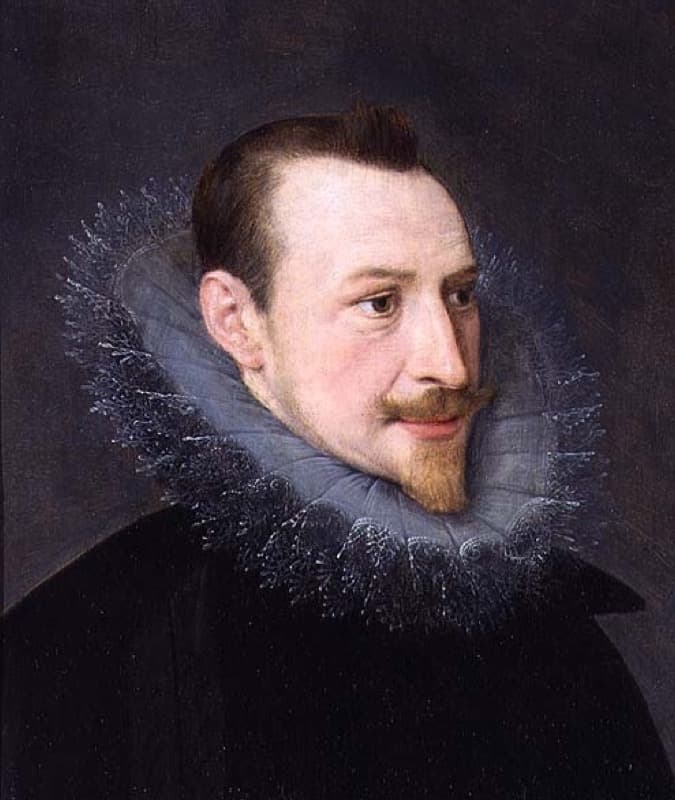

About the book
The cold comes first: an owl shivering for all its feathers, a hare limping trembling through the frozen grass, an old Beadsman at prayer, his breath rising like incense. Into this freezing castle Keats sets a ritual: on St. Agnes' Eve, a girl who keeps the rites will dream of her future husband, and young Madeline climbs to her chamber to try it. She does not know that Porphyro, born to the house her family hates, has crept inside and hidden to watch her unclasp her warmed jewels by moonlight pouring through a stained-glass casement to throw warm crimson across her breast. He heaps a feast of candied apple, quince, and spiced dainties beside her sleeping bed, wakes her with an old Provencal tune on her lute, and steps so exactly into her dream that she cannot tell which Porphyro is real. He wrote it at twenty-three, in Spenserian stanzas that coil and enclose like sleep itself, and made even his most vivid sensations arrive already receding, the whole warm night dissolving into something that happened ages long ago.