
In the Library
The Faerie Queene
Edmund Spenser, 1590
- Form
- Form Poem
- Difficulty
- Difficulty Demanding
- Reading time
- Reading time 20 hours
- Chapters
- Chapters 8
- Length
- Length 280k words
£1.99
Read in the app, yours for good. Not yet by post.
The book unlocks on your account as soon as you buy it, so the 14-day right to cancel ends once it is unlocked.
Sleepe after toyle, port after stormie seas, Ease after warre, death after life does greatly please.
What buying means
- Yours for good, on every iPhone you sign in to.
- Read in the app’s own reader, with the original beside the translation where there is one.
- Downloaded, so it reads with no signal.
- The same price as in the app. Folio already opens every book on this shelf; buying keeps this one after Folio ends. A refund takes it back.
The reading guide, in the app
How to Read The Faerie Queene
A poem whose strange old spelling and crushing length scare almost everyone off, when the truth is that one of its six books is a dragon-and-sorcerer adventure you can read on its own and never need to leave.
The reputation of The Faerie Queene is that it is impossibly long, written in a baffling private spelling, and stuffed with an allegory you are supposed to decode figure by figure like a puzzle box, the sort of thing only a specialist could love. Almost all of that is a misunderstanding of how the poem wants to be read. What sits underneath the forbidding surface is a sequence of self-contained quest romances full of dragons, witches, enchanters, and knights riding out alone into dark woods, and each of the six finished books follows a single hero and stands perfectly well on its own, which means you are allowed to read one and stop, the way you might read one good adventure and set the rest aside for another year.
If you like this, try
Paradise Lost
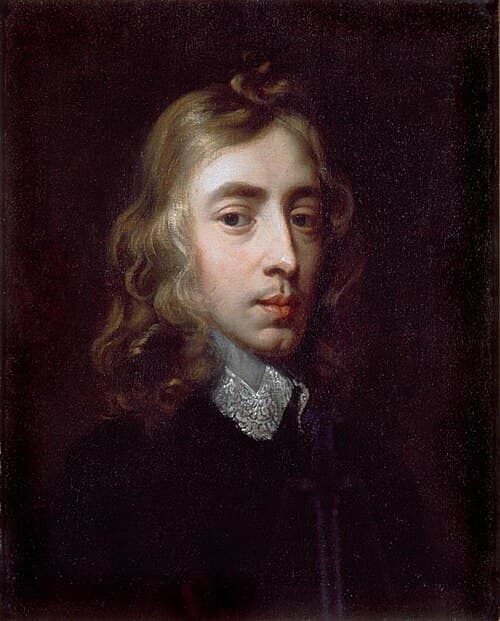
John Milton
Milton inherits Spenser's ambition and his stanzas, but trades allegory for theology and fairyland for the cosmos.
£1.99
The Divine Comedy
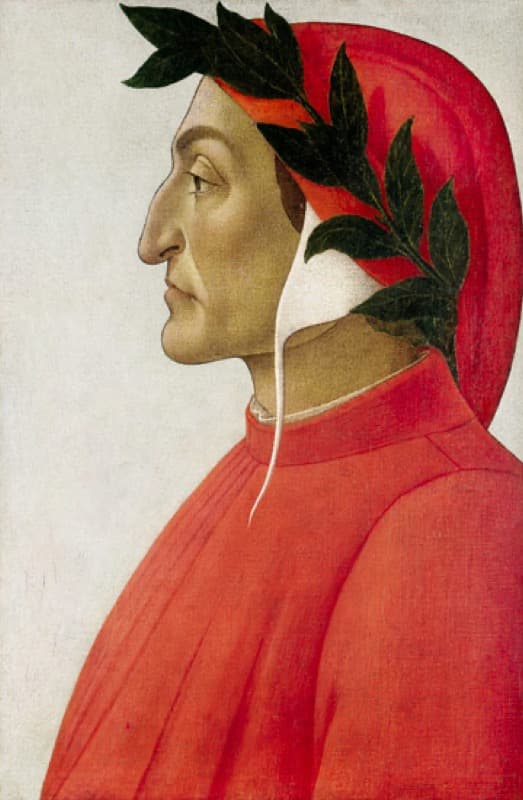
Dante Alighieri
Dante sends another knight through enchanted landscapes toward grace, and the allegory is just as thick but the path is straighter.
£1.99
Don Quixote
Miguel de Cervantes
Cervantes takes the same chivalric romance Spenser celebrates and lovingly demolishes it.
£1.99

About the book
Despair, cornered in his cave, does not attack the knight. He reasons with him, and the reasoning is set to music so sweet it nearly works: Sleepe after toyle, port after stormie seas, Ease after warre, death after life does greatly please. That is the danger of The Faerie Queene. Its beauty is never decoration but a force that can save a soul or unmake one. Spenser built a land where every forest is a moral condition and every monster a sin given a body that bleeds and shrieks; in the first canto the monster Errour vomits books and frogs as she dies. He planned twelve books, one private virtue each, and finished six before death took the rest, and the half-built scale feels right: Gloriana, the queen the whole poem rides toward, keeps a court no knight reaches. Read it slowly, as the nine-line stanza insists, each closing on a long alexandrine that makes the ground itself resist being crossed. Milton studied this before Paradise Lost. The quest is the glory; the queen was never meant to arrive.