

In the Library
The Grasshopper and the Ant (La Cigale et la Fourmi)
Jean de La Fontaine, 1668
- Form
- Form Poem
- Difficulty
- Difficulty Accessible
- Reading time
- Reading time 5 minutes
- Translated by
- Translated by Elizur Wright (1841)
- Original
- Original fr
- Chapters
- Chapters 1
- Length
- Length 0k words
£1.99
Read in the app, yours for good. Not yet by post.
The book unlocks on your account as soon as you buy it, so the 14-day right to cancel ends once it is unlocked.
You sang! I'm at ease; For 'tis plain at a glance, Now, ma'am, you must dance.
What buying means
- Yours for good, on every iPhone you sign in to.
- Read in the app’s own reader, with the original beside the translation where there is one.
- Downloaded, so it reads with no signal.
- The same price as in the app. Folio already opens every book on this shelf; buying keeps this one after Folio ends. A refund takes it back.
If you like this, try
Aesop's Fables
Aesop
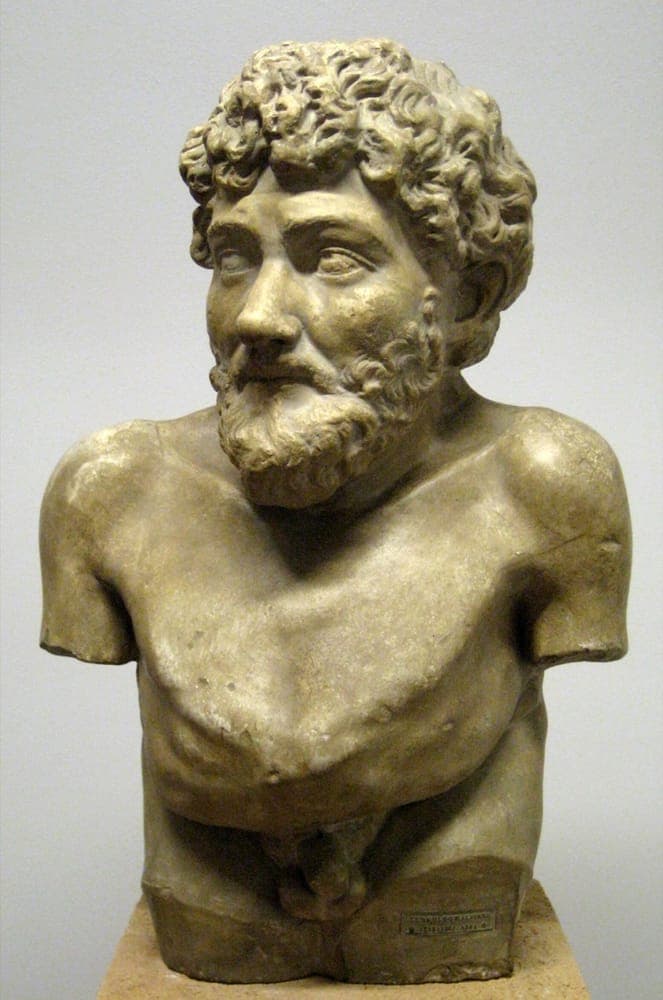
Aesop tells this exact standoff first, the thrifty ant and the starving singer, but La Fontaine spins the bare Greek lesson into quick, teasing verse.
£1.99
The Monkey and the Crocodile
Unknown
This tale of a quick-witted monkey outwitting the crocodile who wants his heart comes from the Indian fable stock La Fontaine himself borrowed from in his later books.
£1.99
Animal Farm
George Orwell
Orwell turns the beast fable to politics, letting loyal Boxer and the scheming pigs play out the old lesson of who labours and who eats, with a far colder moral.
£1.99

About the book
All summer the cicada sang, and when the north wind arrived she had not a single crumb, not a fly, not a worm. So she goes begging to her neighbour the ant for one grain of wheat to last until spring, swearing to repay it, interest and principal, before the harvest. The ant, who lends to no one, asks only what the singer was doing while the warm weather held. Night and day, the cicada answers, I sang. You sang, replies the ant, then dance now. This is the opening fable of La Fontaine's Fables, and its whole music lives in those irregular short lines, snapping shut on that pitiless little imperative. He takes no side and points no moral, leaving you to turn it over forever: is the ant merely prudent, or has thrift curdled into cruelty, and what does a world deserve that lets its singers starve?