
In the Library
The Iron Heel
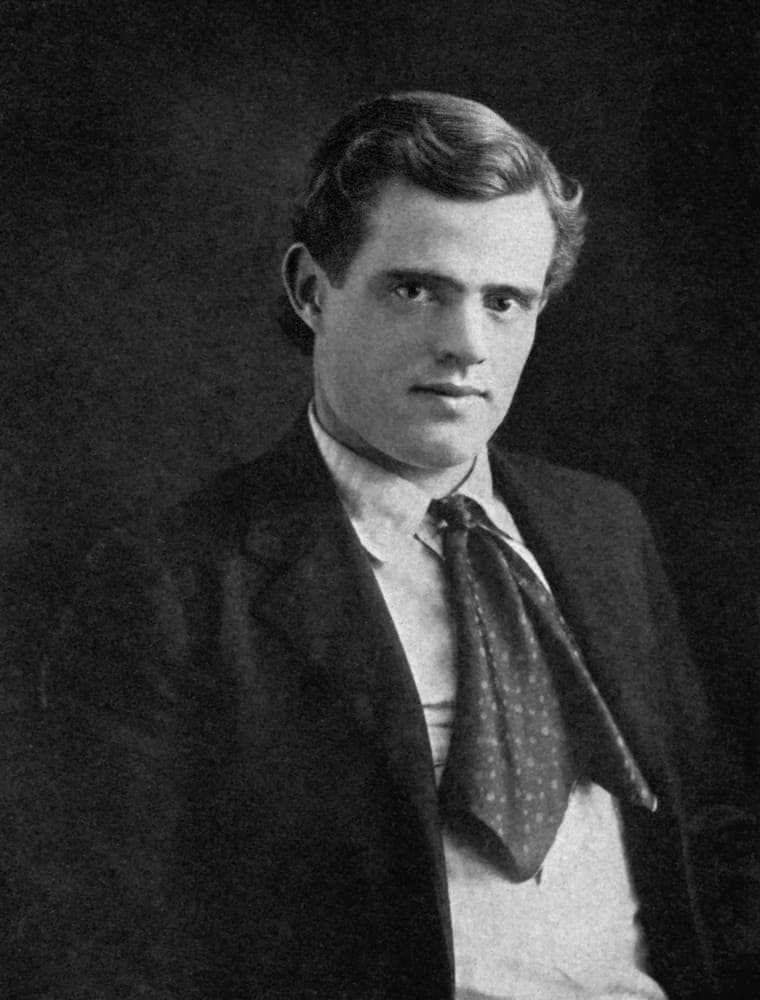
Jack London, 1908
- Form
- Form Novel
- Difficulty
- Difficulty Moderate
- Reading time
- Reading time 6.5 hours
- Chapters
- Chapters 26
- Length
- Length 88k words
£1.99
Read in the app, yours for good. Not yet by post.
The book unlocks on your account as soon as you buy it, so the 14-day right to cancel ends once it is unlocked.
We will grind you revolutionists down under our heel, and we shall walk upon your faces.
What buying means
- Yours for good, on every iPhone you sign in to.
- Read in the app’s own reader, with the original beside the translation where there is one.
- Downloaded, so it reads with no signal.
- The same price as in the app. Folio already opens every book on this shelf; buying keeps this one after Folio ends. A refund takes it back.
If you like this, try
Nineteen Eighty-Four
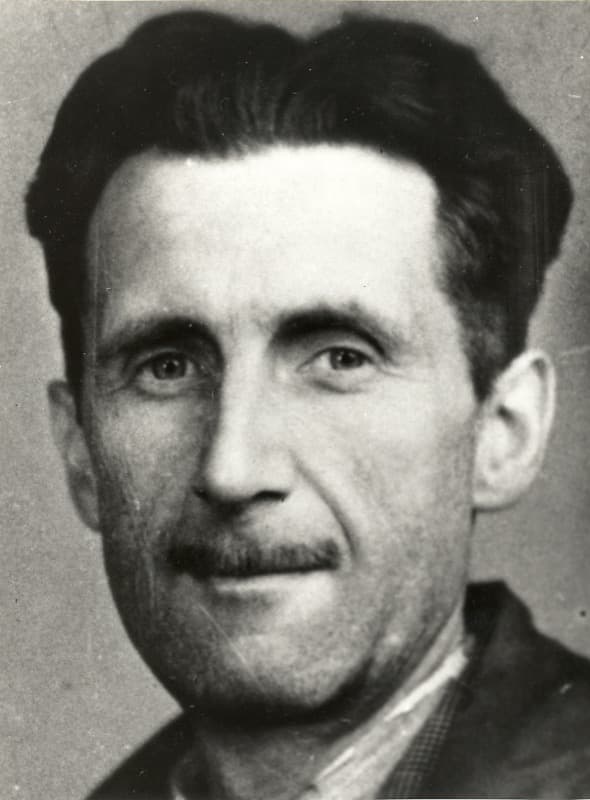
George Orwell
Orwell read this book and said so, and the appendix on Newspeak does the same trick: a scholar of the future explaining the horror in a flat voice.
£1.99
The Jungle
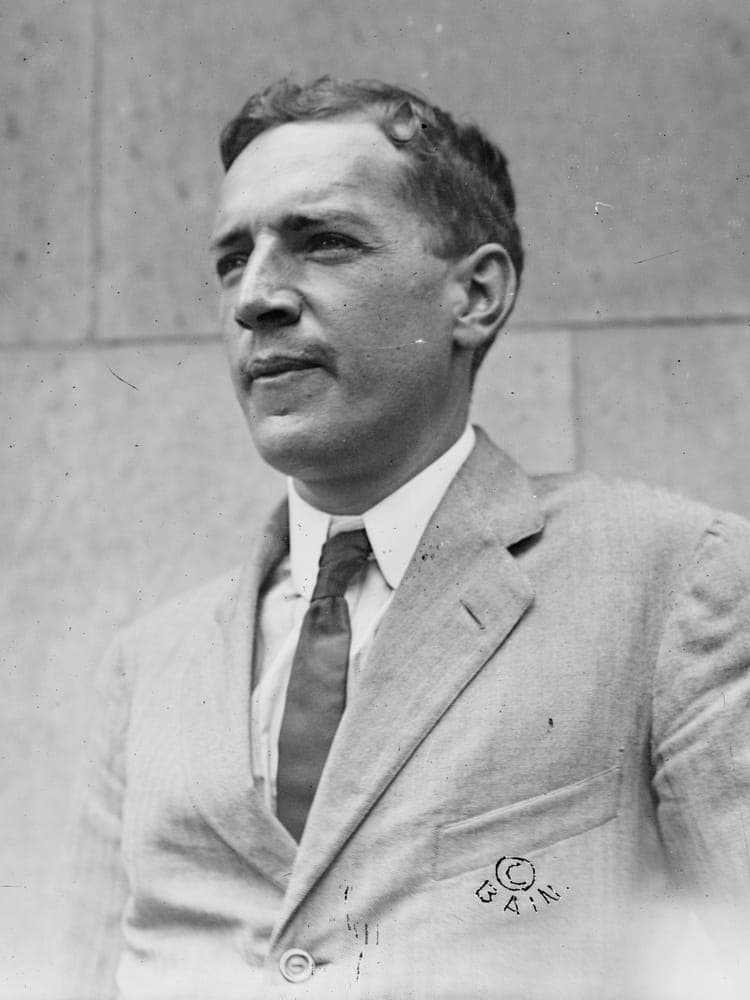
Upton Sinclair
Published within two years and out of the same anger, but Sinclair takes you inside the packing plant instead of inside the boardroom that owns it.
£1.99
We
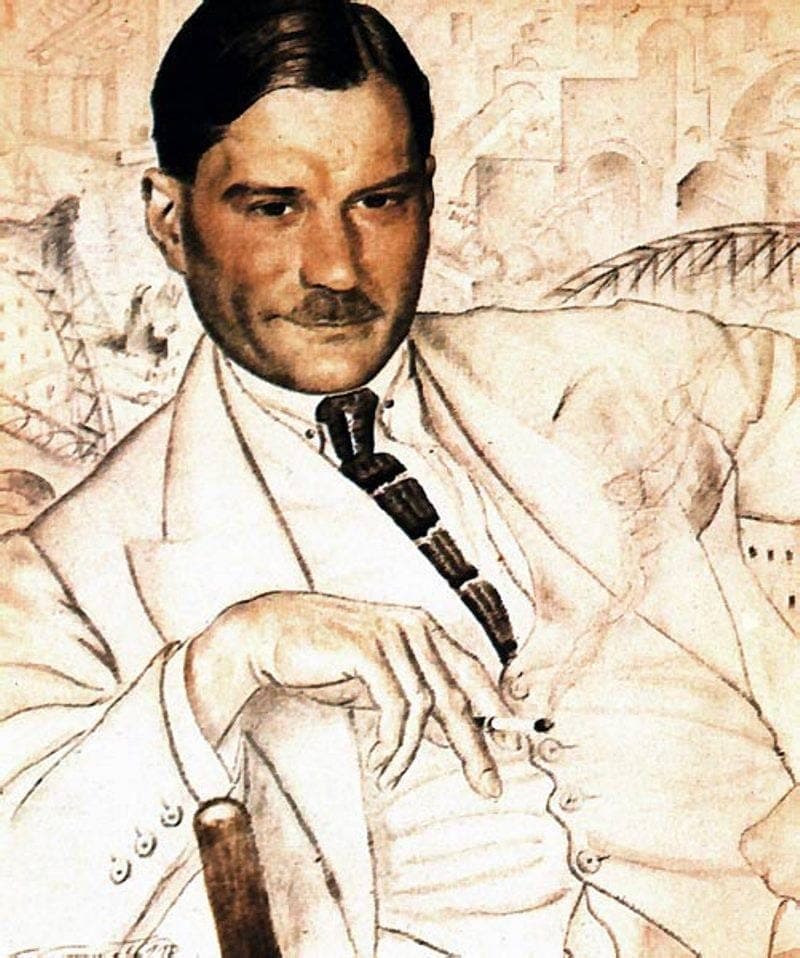
Yevgeny Zamyatin
The other early novel that invented the twentieth century's nightmare state before the state existed, written from the far side of the revolution London wanted.
£1.99
About the book
Read the footnotes. They are not scholarship, they are the story: a historian writing seven hundred years from now, in a world that finally came right, correcting with gentle condescension a woman who was too close to her own catastrophe to see it whole. Avis Everhard wrote her memoir on the run and hid it in a hollow oak, certain that the revolution was months away. It was centuries away, and she died not knowing. What she does see, well before anyone else, is the shape of the thing: an oligarchy that stops bothering with elections, keeps a caste of paid soldiers, and lets the surplus millions starve on purpose because it has other plans for them. The Chicago chapter is among the most frightening passages in American fiction, a whole city turned into a slaughterhouse and watched from an upstairs window. Then the manuscript stops in the middle of a sentence, and the historian explains why in four calm lines.