
In the Library
The Nose
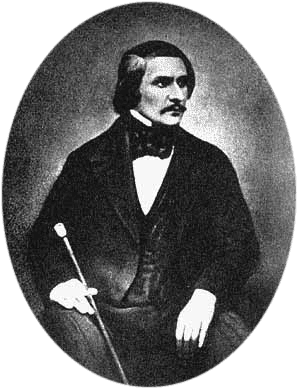
Nikolai Gogol, 1916
- Form
- Form Short Story
- Difficulty
- Difficulty Moderate
- Reading time
- Reading time 40 minutes
- Translated by
- Translated by Claud Field
- Chapters
- Chapters 3
- Length
- Length 9k words
£1.99
Read in the app, yours for good. Not yet by post.
The book unlocks on your account as soon as you buy it, so the 14-day right to cancel ends once it is unlocked.
On the 25th March, 18—, a very strange occurrence took place in St Petersburg.
What buying means
- Yours for good, on every iPhone you sign in to.
- Read in the app’s own reader, with the original beside the translation where there is one.
- Downloaded, so it reads with no signal.
- The same price as in the app. Folio already opens every book on this shelf; buying keeps this one after Folio ends. A refund takes it back.
If you like this, try
The Metamorphosis
Franz Kafka
Kafka inherits Gogol's method exactly: an impossible event treated as bureaucratic inconvenience, and the absurd becomes the real.
£1.99
Dead Souls
Nikolai Gogol
Gogol's other great satire of Russian vanity: the same grotesque comedy, but sustained at novel length.
£1.99
A Madman's Diary
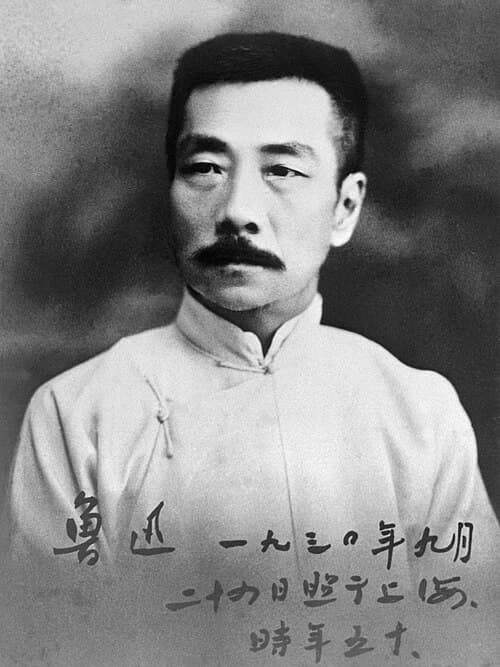
Lu Xun
A Madman's Diary borrows Gogol's own absurdist swerve into psychosis, but it turns bureaucratic satire into an indictment of an entire repressive social order.
£1.99

About the book
Ivan Yakovlevich the barber slices into his breakfast loaf and finds a nose baked inside it, and he knows at once whose it is. Across Petersburg, Collegiate Assessor Kovalyov wakes to a smooth flat patch where his own nose used to sit, and by afternoon he has spotted the thing about town in a plumed hat and a gold-braided uniform, stepping down from a carriage, three ranks his senior, praying in Kazan Cathedral with an air of the greatest piety. It will not talk to him; it says they serve in different departments. What makes the story unbearable and hilarious at once is that Kovalyov never wonders how, only what people will say: his marriage prospects, his promotion, whether he can still be seen on Nevsky Prospekt. Gogol tells all of it in the flat, faintly bored voice of a man reporting a mild civic irregularity, and offers no explanation at the end, because a city where a man is his uniform has already explained itself.