
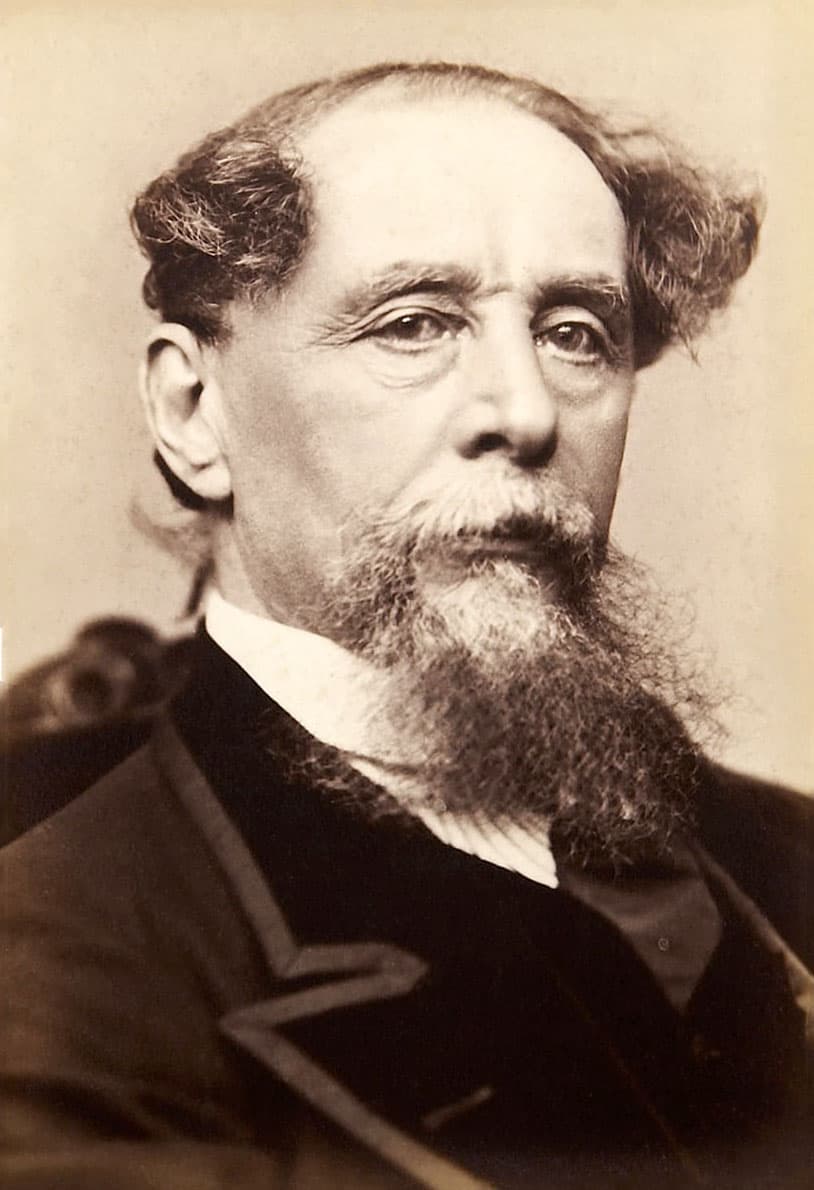
In the Library
The Pickwick Papers
Charles Dickens, 1837
- Form
- Form Novel
- Difficulty
- Difficulty Moderate
- Reading time
- Reading time 22 hours
- Chapters
- Chapters 57
- Length
- Length 297k words
£1.99
Read in the app, yours for good. Not yet by post.
The book unlocks on your account as soon as you buy it, so the 14-day right to cancel ends once it is unlocked.
Business first, pleasure arterwards, as King Richard the Third said when he stabbed the t'other king in the Tower, afore he smothered the babbies.
What buying means
- Yours for good, on every iPhone you sign in to.
- Read in the app’s own reader, with the original beside the translation where there is one.
- Downloaded, so it reads with no signal.
- The same price as in the app. Folio already opens every book on this shelf; buying keeps this one after Folio ends. A refund takes it back.
If you like this, try
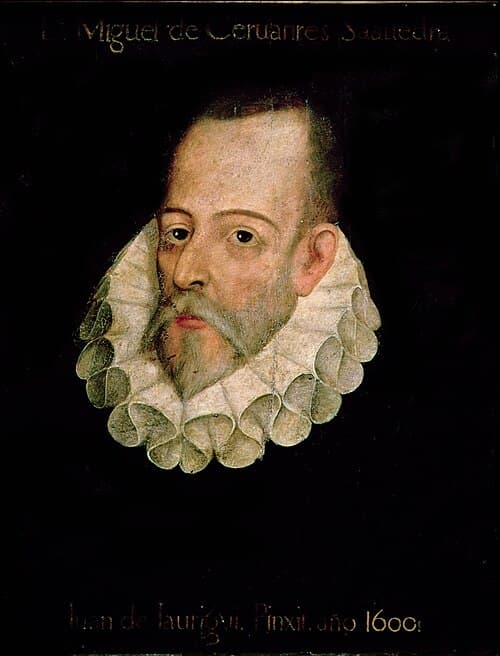
Don Quixote
Miguel de Cervantes
Cervantes does the same thing, sending a mismatched pair chasing folly down every road, but centuries earlier and the joke curdles darker by the end.
£1.99
Tom Jones
Henry Fielding
Fielding does the same thing, sending a good-hearted innocent stumbling through England's inns and courts, but a century before Dickens picked up the trick.
£1.99
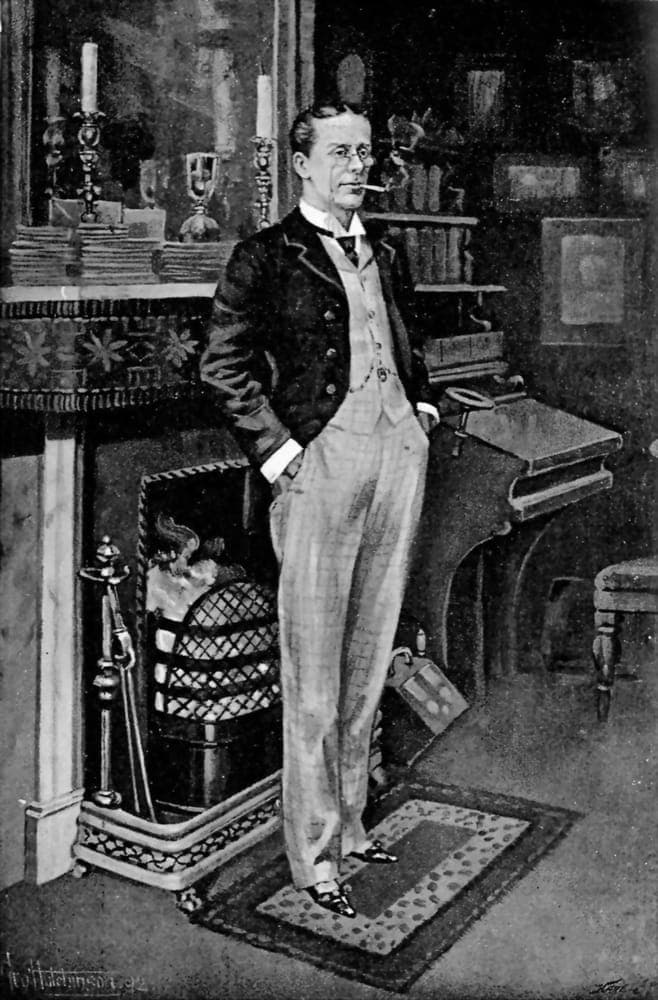
The Diary of a Nobody
George Grossmith, Weedon Grossmith
Mr Pooter is Pickwick's suburban grandson, a kindly man of perfect dignity forever undone by tradesmen, practical jokes and his own good nature.
£1.99
About the book
A portly gentleman in tights and gaiters tumbles out of a coach into an English country lane, notebook in hand, intent on cataloguing the comic specimens of his nation. Charles Dickens was twenty-four when he began this serial novel in 1836, the monthly numbers climbing from four hundred copies to forty thousand as readers caught the fever. The Pickwick Club rambles from inn to inn, until Sam Weller arrives in chapter ten, cockney servant and presiding wit, and the book finds its true engine. Mrs. Bardell sues for breach of promise, the case is lost, and Mr. Pickwick goes cheerfully to the Fleet Prison rather than pay a farthing. Innocence, tested by English law, becomes the most stubborn form of comedy.