
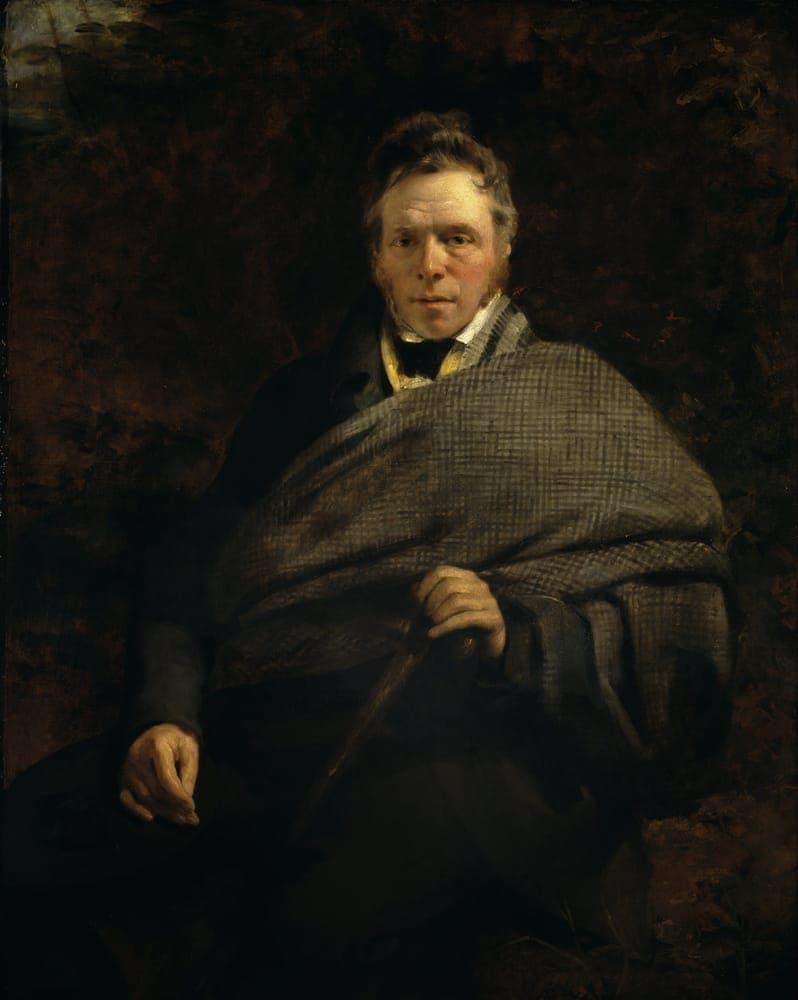
In the Library
The Private Memoirs and Confessions of a Justified Sinner
James Hogg, 1824
- Form
- Form Novel
- Difficulty
- Difficulty Demanding
- Reading time
- Reading time 6 hours
- Chapters
- Chapters 3
- Length
- Length 84k words
£1.99
Read in the app, yours for good. Not yet by post.
The book unlocks on your account as soon as you buy it, so the 14-day right to cancel ends once it is unlocked.
I generally conceived myself to be two people.
What buying means
- Yours for good, on every iPhone you sign in to.
- Read in the app’s own reader, with the original beside the translation where there is one.
- Downloaded, so it reads with no signal.
- The same price as in the app. Folio already opens every book on this shelf; buying keeps this one after Folio ends. A refund takes it back.
If you like this, try
Strange Case of Dr Jekyll and Mr Hyde
Robert Louis Stevenson
Jekyll and Hyde does the same thing, but compresses Hogg's theological double into a single potion and one tormented Victorian gentleman.
£1.99
Crime and Punishment
Fyodor Dostoevsky
Crime and Punishment does the same thing, but traces a young man's self-justifying logic step by step until it ends in an axe, not a devil.
Free in the app
The Turn of the Screw
Henry James
The Turn of the Screw does the same thing, but leaves the reader guessing whether its tempter is real or the governess's own invention.
£1.99


About the book
A body found in an unmarked grave in the Scottish borders, preserved so well that his hair and nails looked as if he had died only days before, and in his coat pocket, folded soft with handling, a manuscript in his own hand: the confession of Robert Wringhim, a young man taught from the cradle that he was one of God's elect and could not sin, whatever he did. That doctrine finds him a companion, Gil-Martin, a stranger who wears other men's faces and flatters Robert's certainty until murder starts to feel like grace. James Hogg lets the editor's cool investigation and Robert's own fevered account contradict each other on nearly every point, so the reader is never sure whether Gil-Martin is devil, delusion, or something the theology itself conjured. What survives the uncertainty is the fact no version disputes: Robert kills his own brother, and believes God approves. Few novels have gotten inside religious certainty this far without blinking, and none has made its horror feel so exactly like the mind's own logic, turned one notch too far.