

In the Library
The Professor
Charlotte Brontë, 1857
- Form
- Form Novel
- Difficulty
- Difficulty Moderate
- Reading time
- Reading time 6.5 hours
- Chapters
- Chapters 26
- Length
- Length 88k words
£1.99
Read in the app, yours for good. Not yet by post.
The book unlocks on your account as soon as you buy it, so the 14-day right to cancel ends once it is unlocked.
Novelists should never allow themselves to weary of the study of real life.
What buying means
- Yours for good, on every iPhone you sign in to.
- Read in the app’s own reader, with the original beside the translation where there is one.
- Downloaded, so it reads with no signal.
- The same price as in the app. Folio already opens every book on this shelf; buying keeps this one after Folio ends. A refund takes it back.
If you like this, try
Jane Eyre
Charlotte Brontë
Charlotte's next heroine is another plain teacher who earns her own bread and will not be bought, and this time the passion breaks the surface.
£1.99
New Grub Street
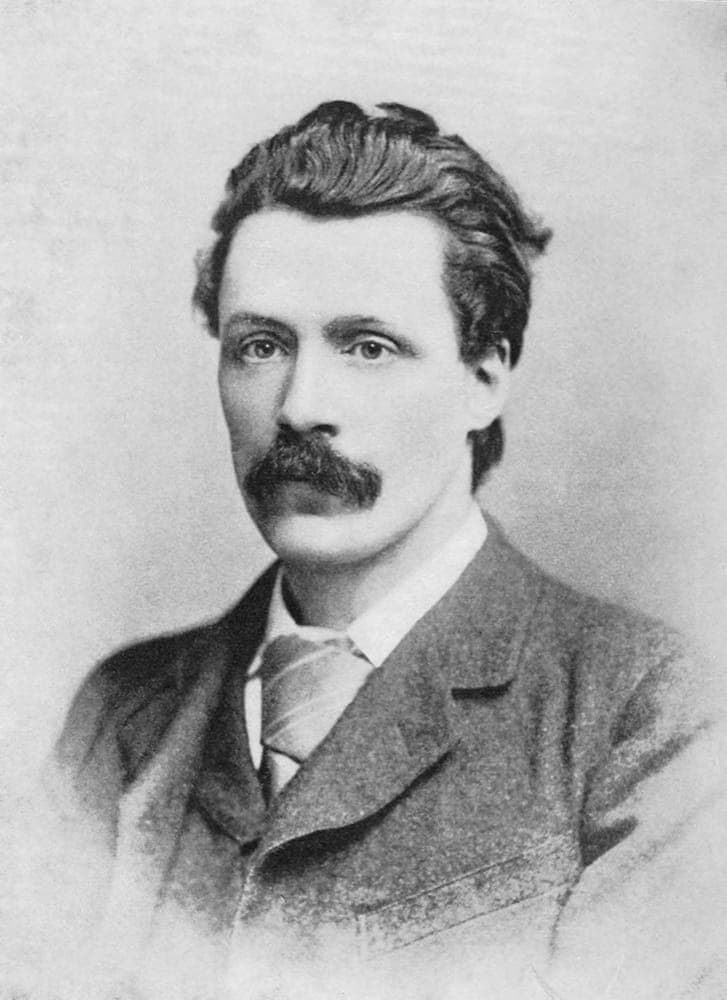
George Gissing
Gissing shares the conviction that money decides a life, but where Brontë lets work rescue her lovers he lets the arithmetic grind his writers down.
£1.99
The Tenant of Wildfell Hall
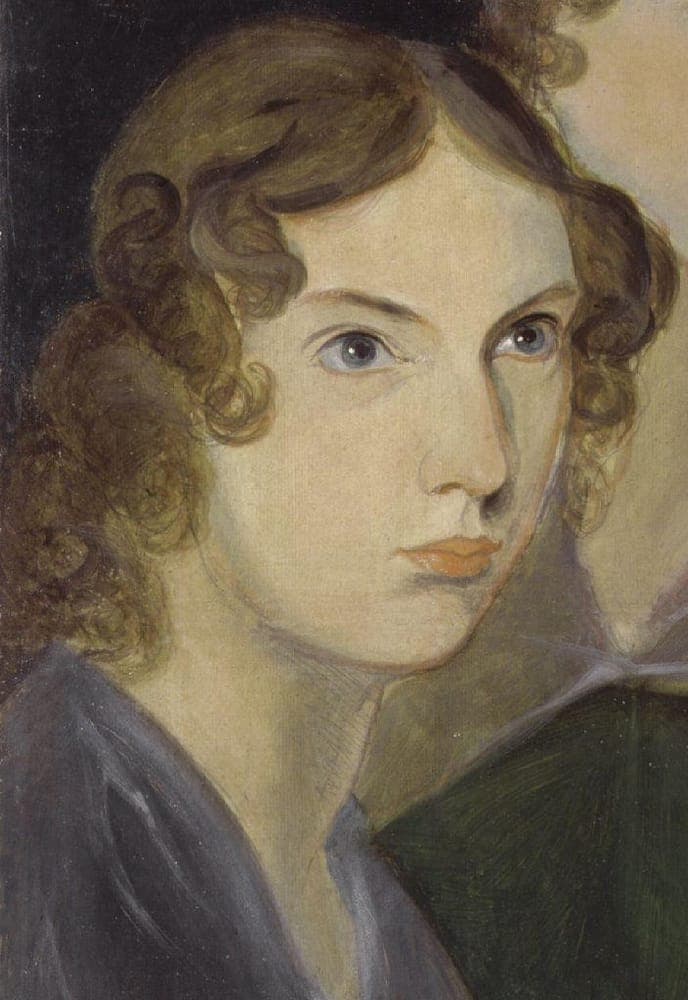
Anne Brontë
The other Brontë novel where a woman's freedom is a matter of earned income rather than rescue, here bought with a paintbrush instead of a needle.
£1.99
About the book
In a Brussels schoolroom an English master works down a pile of student exercises and stops at one. The English limps at the edges; the mind behind it does not. Frances Henri teaches lace-mending in the same building and pays for her lessons out of what that earns, and William Crimsworth, who has refused a rich uncle's patronage and clerked for a brother who used him like furniture, understands he has just met the only equal he has in the city. What follows is the plainest love story the Brontës ever told and the most stubborn: two poor people who admire each other's minds, and a wife who builds her own school after the wedding because she will not be kept herself. Charlotte Brontë wrote this one first, and the refusals it collected sent her back to the desk that produced Jane Eyre. It reached print only once she was dead. She had been the pupil in Brussels, writing to a married teacher who did not write back; here she turned every position round and let the love be answered.