
In the Library
The Prophet
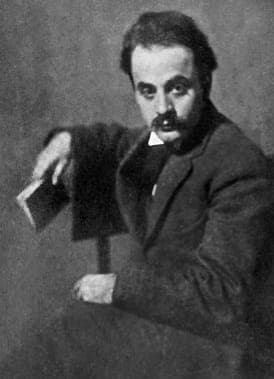
Kahlil Gibran, 1923
- Form
- Form Collection
- Difficulty
- Difficulty Moderate
- Reading time
- Reading time 55 minutes
- Chapters
- Chapters 1
- Length
- Length 12k words
£1.99
Read in the app, yours for good. Not yet by post.
The book unlocks on your account as soon as you buy it, so the 14-day right to cancel ends once it is unlocked.
Your children are not your children. They are the sons and daughters of Life’s longing for itself.
What buying means
- Yours for good, on every iPhone you sign in to.
- Read in the app’s own reader, with the original beside the translation where there is one.
- Downloaded, so it reads with no signal.
- The same price as in the app. Folio already opens every book on this shelf; buying keeps this one after Folio ends. A refund takes it back.
If you like this, try
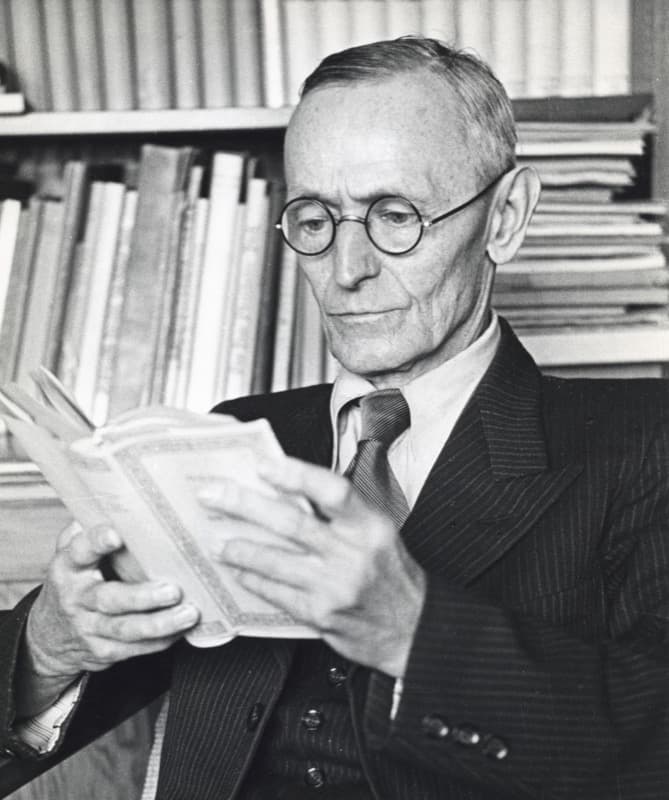
Siddhartha
Hermann Hesse
Hesse's novel does the same thing, but through one seeker's whole life story instead of sermons, arriving at the wisdom Almustafa simply hands his listeners.
£1.99
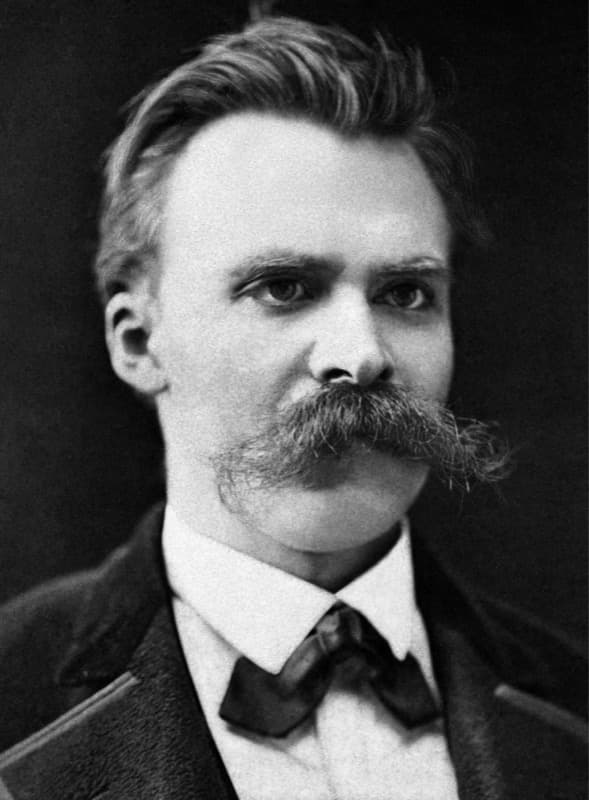
Thus Spoke Zarathustra
Friedrich Nietzsche
Nietzsche's prophet does the same thing, delivering wisdom from a mountain instead of a ship, but his sermons rage where Gibran's only console.
£1.99
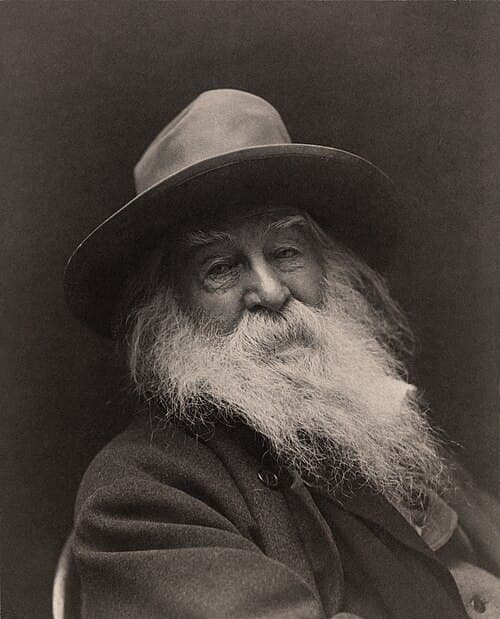
Song of Myself
Walt Whitman
Whitman does the same thing in verse, cataloguing the sacredness of ordinary life until the self dissolves into everyone and everything around it.
£1.99
About the book
A ship is sighted on the horizon of Orphalese, the vessel that has come after twelve years to carry Almustafa home, and before he can board it the whole city gathers at the harbor to keep him a little longer, to ask him to speak on the things that make and break a life: love, work, children, joy, pain, death. He does not lecture them. He answers as though he has always known the answer and only now has the words for it, and reader after reader has found a piece of their own life inside his sentences: your children are not your children, they are the sons and daughters of life's longing for itself; work is love made visible. Kahlil Gibran wrote it in the cadence of scripture but bound it to no religion, which is why it still gets read aloud at weddings a century later, not for its prettiness but because it says, in the plainest sentences it can find, what we mean to tell someone we love before they board a ship.